
Why this guide matters for AI investors, founders, and career builders
The world of Artificial Intelligence (AI) is changing incredibly fast in 2026. It’s like a whirlwind, and keeping up can feel impossible.

For anyone looking to invest, start a company, or build a career in AI, this quick pace brings big challenges. It’s tough to figure out which companies are truly making a difference and which jobs will really last. This constant shift leads to a lot of information overload, making it hard to find good opportunities or trustworthy employers.
Actually, the global AI market is expected to grow from $375.93 billion this year to $2480.05 billion by 2034, showing just how much the AI revolution is expanding Artificial Intelligence Market | Global Report 2034. Finding your place in this booming field can be tricky. Even for seasoned tech bros and nerd ai enthusiasts, understanding the many new ai domains and identifying solid career paths requires clear guidance. The hiring market for AI jobs is incredibly competitive, with experts saying it’s the tightest in venture-backed history for 2026 2026 AI Hiring Report | Comp, Time-to-Fill & Demand. This means you need smart ways to stand out and choose wisely.
This guide is here to help you cut through all that noise. We’ll show you how to look closely at leading AI companies, understand the different roles out there (including exciting shield ai careers), and map out realistic pathways for your professional journey. You’ll learn how to tell the difference between hype and real innovation, helping you make smart choices for your investments or next job. Knowing how to evaluate AI companies in 2026 is key to success.
To stay on top of daily AI updates and get clear, in-depth insights, consider subscribing to The AI Newsletter Worth Reading.
Top AI companies to watch in 2026: criteria and quick-read landscape
To make truly smart choices in this fast-moving AI revolution, you need a clear way to size up companies. It’s not enough to just hear about a big name. You need to know why they matter. We can do this by looking at a few key things that show if an AI company is really leading the pack in 2026.
Here are the main things we look for:
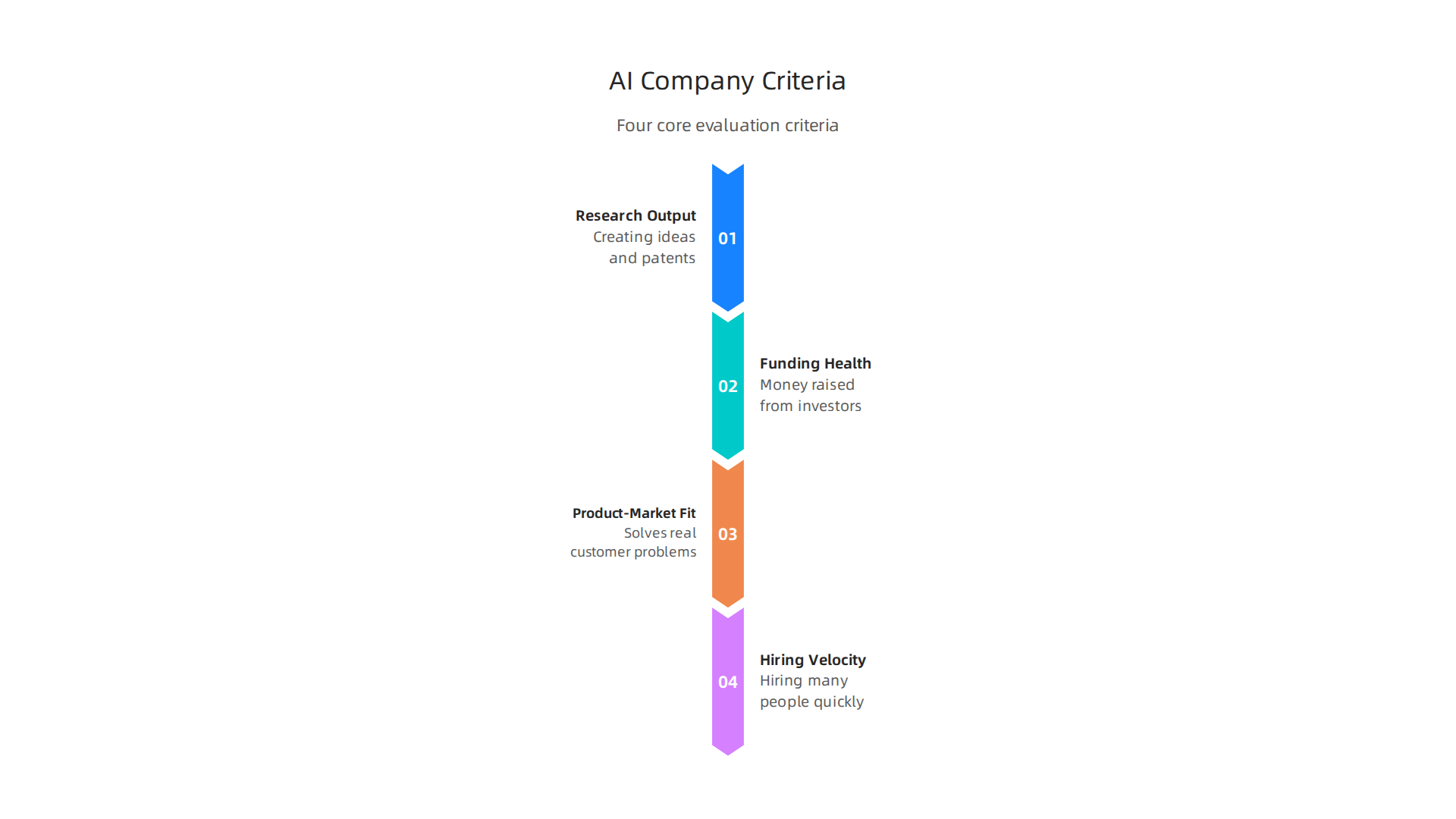
- Research Output: Are they creating new ideas, getting patents, or publishing important papers? Companies that lead in research are often driving the next big thing in different AI domains. This shows they are at the forefront, not just following.
- Funding and Financial Health: How much money have they raised from investors? Strong funding means others believe in their future. It’s a big sign of growth and stability. Large investments often mean the company can afford to grow faster, which can lead to more opportunities for shield ai careers.
- Product-Market Fit: Do their products or services solve real problems for people or businesses? If a company has many happy customers, it means they’ve found a good "fit" for what they offer. This makes them strong and likely to stay around.
- Hiring Velocity: Are they hiring a lot of new people quickly? This shows the company is growing and has big plans. A growing team often means more opportunities for new jobs and career paths. Reports show that companies adopting AI tend to grow faster after they bring AI into their work Firm-Level AI Spending and Workforce Adjustment.
You can use these points to build a simple company matrix. Think of it like a quick scorecard. You list the companies you’re interested in across the top, and these key points down the side. Then, you can rate each company for each point. This helps you compare them fairly. It helps both seasoned tech bros and new [nerd ai] enthusiasts see past the buzz.
By using this approach, you can quickly see where a company truly shines. This makes it easier to figure out where to invest your money or where to build a promising career, including specialized [shield ai careers].

This kind of smart thinking helps you spot the real innovation, separate from all the hype.
What Shield AI careers typically involve: teams, roles, and growth paths
After looking at how to pick out the best AI companies, let’s dive into what a job at a company like Shield AI might be like. Many people are interested in shield ai careers because the company is a big player in the ai revolution, focused on defense technology and making smart flying systems. Their main goal is to use intelligent systems to protect service members and regular people alike, building the world’s best AI pilots and advanced aircraft Shield AI: Defense-Tech and Autonomous Aircraft.
When you think about jobs at Shield AI, you’ll find different kinds of teams and roles that work together. Here are some of the main areas where people work:
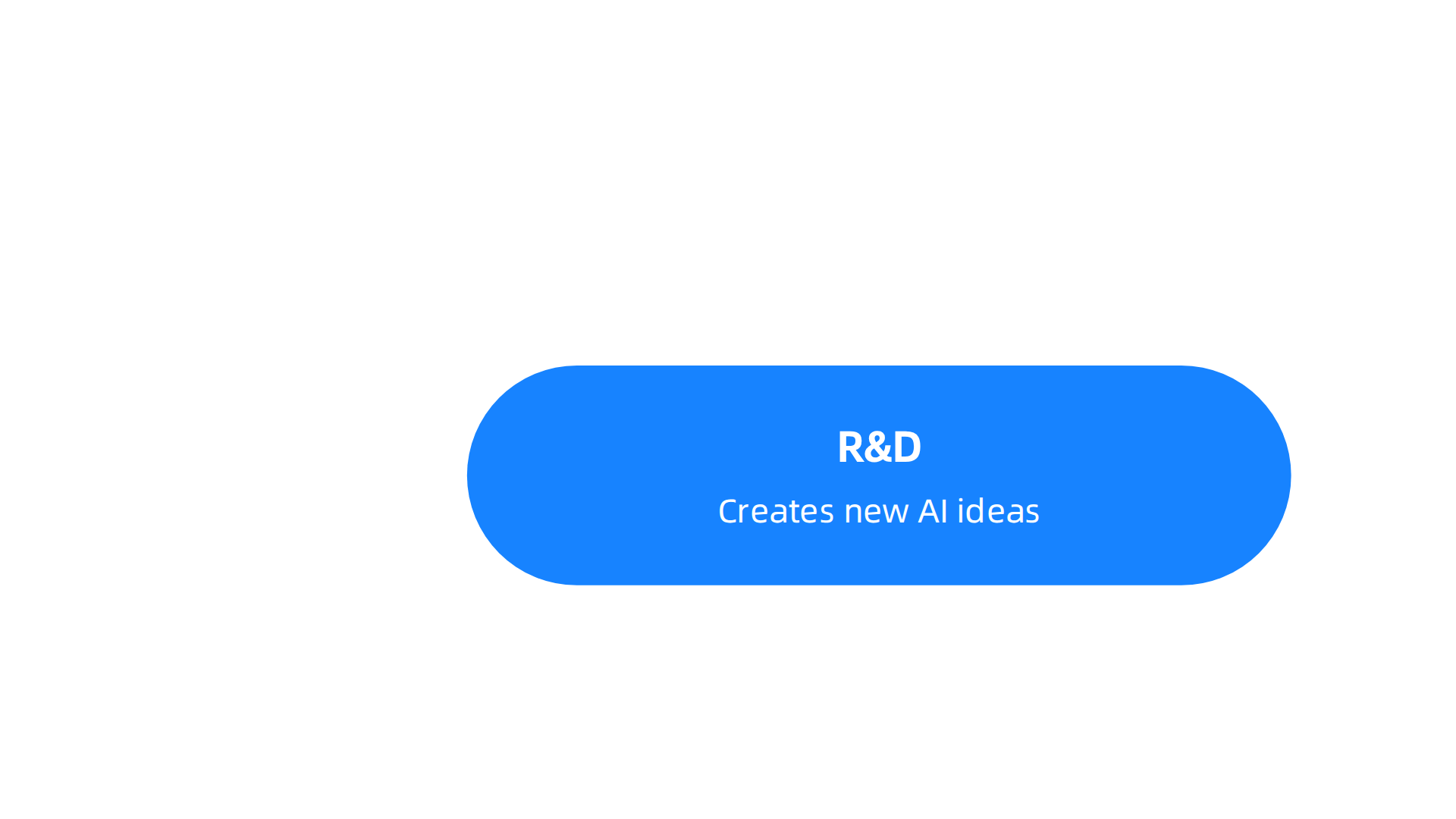
- Research and Development: This team creates new AI ideas and finds ways to make AI smarter. Roles here include AI Scientists and Machine Learning Engineers. They are the ones pushing the boundaries of what AI can do in various
ai domains. - Engineering: This is a big group. It includes Software Engineers who write the computer code, and Hardware Engineers who design the actual parts for drones and other intelligent systems. For example, many engineering roles are open, with hundreds of current job openings Shield AI Careers 2026: 16 Interview Questions + Jobs.
- Product: People in product roles figure out what problems customers have and how Shield AI’s tools can solve them. They help guide what new products get made.
- Operations and Support: These teams make sure everything runs smoothly day-to-day. They help customers and keep the systems working right.
- Safety and Governance: Because Shield AI works with important defense technology, these teams make sure the AI systems are safe, reliable, and used in a responsible way. This is very important for building ethical AI that focuses on helping people. To understand more about these critical considerations, you might want to read about designing human centered AI.
A career at Shield AI can grow in many ways. You might start as a junior engineer and become a senior engineer, or even lead a team. Some people also move across different departments. For example, a software engineer might move into a product role, or an AI scientist might help with operations. Shield AI itself looks for ways to hire the best talent by adjusting job postings and focusing on communication Inside Shield AI: How We Hire The Best.
The pay for shield ai careers can differ a lot based on the job and your experience. In 2026, the average yearly pay for Shield AI jobs in the United States is around $81,277, but roles can range from $54,000 to $148,000 or more $54k-$148k Shield Ai Jobs (NOW HIRING) Aug 2026. These roles are often sought after by those who are true nerd ai enthusiasts and seasoned tech bros alike, seeking to make a real impact.
To explore the many different shield ai careers and opportunities, you can check their official careers page Careers at Shield AI | Defense Startups. Knowing these paths helps you see how you can fit into the exciting world of AI development.
To stay on top of all the fast changes in AI, make sure you get regular, clear updates.
The AI Newsletter Worth Reading
Get clear daily AI updates from The Deep View Newsletter.
To get one of those exciting shield ai careers, it’s not just about knowing what jobs are out there. You also need to have the right skills and experience that hiring managers look for. In 2026, the world of AI is moving super fast, so companies want people who can keep up and help them grow.
Here are the key things that help people stand out for shield ai careers:
Strong Technical Skills
First off, you need to be good at the technical stuff. This means knowing about:
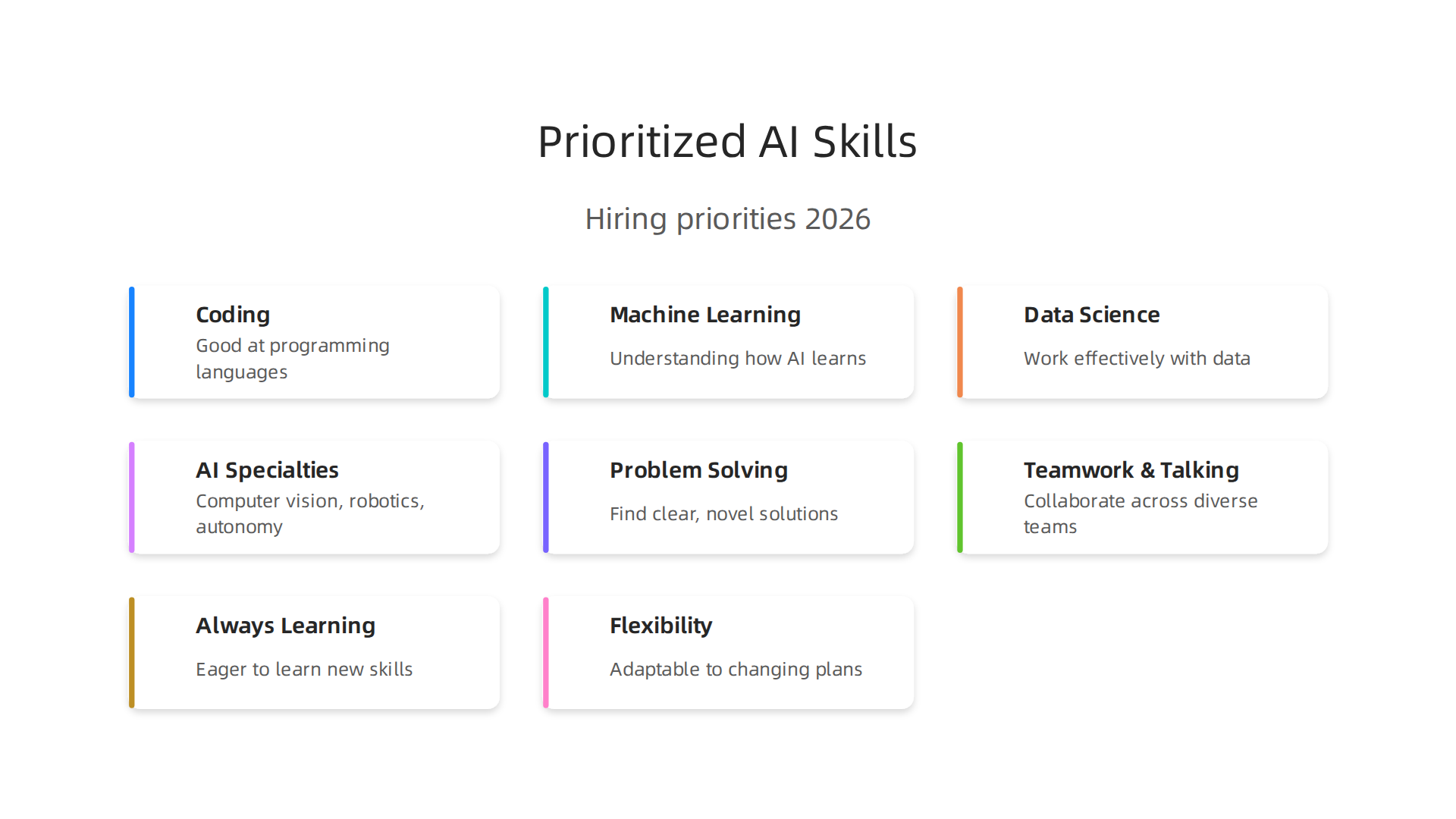
- Coding: Being good at computer programming languages like Python or C++ is very important. These are the tools used to build AI systems.
- Machine Learning: Understanding how AI learns from data is key. This includes knowing about different AI models and how to use them.
- Data Science: Knowing how to work with lots of data, clean it up, and find important patterns in it is a big plus. Data is the food that AI eats!
- Specific AI Areas: For a company like Shield AI that builds flying systems, you might need to know about things like computer vision (how AI "sees"), robotics, or how to make systems work on their own (autonomy). This kind of knowledge is really important in specialized
ai domains.
Actually, there’s a big need for people with these skills. Many businesses, especially smaller ones, are having trouble finding enough people with the right AI skills. There’s an "AI skills gap" that many companies are trying to close AI Skills Gap 2026: $5.5T Statistics & How to Close It.
Important Soft Skills
It’s not all about coding and complex math. How you work with others and solve problems matters a lot too. These are often called "soft skills":
- Problem-Solving: AI is all about solving tough problems. Companies want people who can think clearly and find new ways to fix things.
- Teamwork and Talking: Being able to work well with different teams is super important, especially in the busy
ai revolution. You need to talk clearly about your ideas and listen to others. - Always Learning: The AI world changes every day. Hiring managers love people who are excited to learn new things and keep their skills sharp. If you want to dive deeper into how to grow your expertise, check out The strategic guide how to learn AI for success in 2026.
- Flexibility: Sometimes things don’t go as planned. Being able to change your plans and try new approaches is a great skill to have.
Having a mix of these technical and soft skills will help you not just get a job, but also grow and make a real difference in your shield ai careers. Companies want people who can do the work and also fit in with the team and help everyone succeed.
After you have worked on your skills, the next big step is to find a company that is a good fit. This means looking beyond just the job title for shield ai careers. You want to find a place that is strong, believes in things you care about, and has a good future. It’s like picking a good team to be on.
How to research a company’s stability, mission alignment, and growth prospects
Finding the right company means doing a little homework. You need to look closely at a company’s health, its goals, and where it’s headed. Don’t just trust what their marketing says. You want real answers. Here’s a simple checklist to help you:
- Is the Company Strong with Money?
- Look for news about how much money they have raised from investors. Big, well-known investors are a good sign.
- Check if they are making money or growing their sales. This shows their products are working.
- Sometimes, reports about how private companies are doing can give you clues. To understand more about how these businesses are judged, you might find it helpful to read about evaluating AI companies in 2026 key metrics and market insights.
- Do People Use Their Products?
- See if there are customer stories or reviews. Are people happy with what the company makes?
- Look for news articles about the company’s products being used in the real world, especially in specific
ai domains. For example, for a company like Shield AI, you’d look for how their flying systems are being used.
- Are Their Products Ready and Good?
- Is their AI product still just an idea, or is it already helping customers? A product that is ready and being used is a good sign of stability.
- Does the product solve a real problem for people or businesses?
Red flags to spot for career risk
Just as important as finding good signs is noticing bad ones. These "red flags" can tell you if a company might not be a stable place for your shield ai careers.
- Many People Leaving: If a lot of employees are quitting their jobs, it’s a big warning sign. This is called high "attrition." You can sometimes find clues about this on sites like LinkedIn or Glassdoor.
- Unclear Product Fit: Does the company keep changing its main product or idea? If they don’t seem to know what their product is really for, it can mean trouble. In the fast-moving
ai revolution, clear goals are important. - Changing Plans All the Time: If a company’s main goals or plans for the future keep shifting, it can be confusing and stressful for employees. This often means the leaders aren’t sure where they’re going.
Doing this kind of research helps you make smart choices for your career, ensuring you pick a company that will help you grow. It’s all about making sure your skills and effort go to a place that truly values them and has a solid future. If you want to keep up with the latest trends and insights in the AI world to make informed decisions, you should subscribe to The AI Newsletter Worth Reading.
After you have done your homework and found a company that feels stable and exciting, the next step is to understand what kind of pay and benefits you can expect. This is called your "total rewards." It’s more than just your yearly salary. It includes many different parts that add up to your full value.
Compensation, equity, and total rewards — what to expect at top AI employers
When you look at job offers for shield ai careers or other top roles in artificial intelligence, you’ll see a mix of money, company ownership, and perks. Here’s a simple breakdown:
- Base Salary: This is the fixed amount of money you get paid each year. For
shield ai careersin the US, the average yearly pay was around $81,277 as of May 2026, though this can go much higher depending on the specific job and your skills. Some top AI jobs can see salaries from $130,000 to $200,000, and even up to $700,000 at leading AI labs. You can check places like Shield Ai Jobs for current pay ranges. - Bonuses: Many companies offer extra money based on how well you, your team, or the company performs. Sometimes, you might get a "signing bonus" just for joining.
- Equity or Stock Options: This means you get a small piece of the company. If the company does well and its value grows, your equity can become worth a lot more money. This is a big part of what makes working at fast-growing AI companies so appealing, especially in the exciting
ai revolution. Companies like Shield AI sometimes list details about equity on their career pages, as you can see on sites like Shield AI Careers – Insights and Opportunities. - Benefits: These are important extras like health insurance, dental care, paid time off for vacations or sick days, and retirement plans. Other perks might include free food, gym memberships, or help with learning new skills.
How Pay Varies:
The total package changes a lot based on the company. For example, a small startup might offer a lower base salary but more equity, hoping that the company will grow big. A larger, more established company might offer a higher base salary and good benefits, but less equity. The specific ai domains you work in also matter, as some areas have higher demand for specialized skills.
How to Benchmark and Negotiate:
Before you accept an offer, it’s smart to do your research. Look at salary data for similar jobs in your area and for companies of the same size. Websites and professional networks can help you find out what others are earning. For a general overview of salary and job market trends for professionals in AI, you might look at the Annual Skills Report.
When you negotiate, be ready with information about what your skills are worth. If you have special talents that are in high demand, like expertise in certain ai domains, don’t be afraid to ask for a better offer.

The job market for AI skills is very competitive in 2026, with demand more than doubling for entry-level jobs in the last six months, as noted in the 2026 Job Outlook spring update. Knowing your value can help you get the best deal. For a deeper dive into career paths, skills, and salaries in the AI field, exploring an AI scientist career guide can be very helpful.
Moving into applied AI roles from other research or industry jobs needs a smart plan. The world of AI is growing super fast, creating many chances to join what people are calling the AI revolution. But it also means you need to show you have the right skills and can fit into these new kinds of jobs.
Practical Steps to Make the Switch
Here are some clear steps to help you move into an AI career:
- Learn New Skills (Upskilling): The most important thing is to learn the right AI skills. This could mean taking online courses, getting special certificates, or even going back to school for a short time. Focus on skills that are needed in the
ai domainsyou are interested in. For instance, if you want to work with self-driving cars, you’ll need skills different from someone who wants to build smart chatbots. Many companies are looking for people who can use AI tools, not just build them, so being good at using AI products is a big plus. If you’re wondering how to get started, a good place to look for advice is a guide on how to learn AI for success. - Build a Portfolio of Projects: Showing what you can do is better than just talking about it. Work on your own AI projects, even small ones. This could be anything from building a simple AI program to helping solve a problem using AI in your current job. These projects create a "portfolio" that proves your skills to future employers.
- Network with Others: Meet people who already work in AI. Go to online groups, join meetups, or attend industry events. Talking to others can help you learn about hidden job openings and get advice. Many people find jobs through who they know. According to a LinkedIn expert, being an "avid consumer" of AI tools and staying curious are key steps to getting hired in AI roles in 2026, as discussed in "How To Get a Job in AI".
- Look for Internal Transfers: If you work for a big company that is also using AI, you might be able to move to an AI team inside your current company. This is often easier because they already know you and your work ethic.
Many employers expect a lot from new hires in AI. They want to see that you can handle complex tasks and keep learning, as highlighted in the 2026 AI Employer Report.
Choosing Your Path: Startups, Scale-ups, or Big Labs
When you are ready to apply, you will find different kinds of AI workplaces:
- Startups: These are new companies that are just starting out. They often offer more company ownership (equity) but might have less steady pay. They move very fast and expect you to do many different things. It’s a great place to learn a lot quickly, but it can be risky. If you are looking for new and exciting places to work, you might want to consider identifying the fastest growing AI startups in 2026.
- Scale-ups: These companies are a bit older than startups but are still growing quickly. They might offer a better balance of salary and equity, with more structure than a startup but still a fast pace.
- Established AI Labs/Big Companies: These are larger, well-known companies or special AI departments within them. They usually offer good salaries, stable benefits, and more resources. The work might be more focused on one specific task. They might move slower than a startup, but they can offer big opportunities to make a real impact on the world, like the work being done by DeepMind 2026: the AI lab that keeps reshaping science and technology.
Think about what matters most to you: speed and potential big payouts, or stability and lots of resources. The market for AI jobs is very competitive in 2026, so knowing where you fit best can help you succeed. According to PwC’s 2026 AI Jobs Barometer, the demand for AI skills continues to be high, requiring job seekers to be well-prepared.
Staying up-to-date with all the latest in AI and machine intelligence can be a full-time job in itself. For professionals who need clear, daily insights, there’s a valuable resource available.
Get clear daily AI updates from The AI Newsletter Worth Reading.
After figuring out where you want to work, the next big step is standing out during job interviews and showing you’re the right person for a demanding role. The AI job market in 2026 is very busy, so simply having skills is not enough. You need to show you can bring real value.
Interview Prep and Signal-Building: What Truly Sets Candidates Apart
Getting a job in AI is about more than just listing your skills. It’s about telling a story that shows your unique abilities and passion for the field. You need to prepare well to truly shine.

How to Talk About Your Impact
When you are in an interview, don’t just say what you did. Explain the "why" and the "result." For example, instead of saying, "I built an AI model," say, "I built an AI model that helped my last company save 15% on costs by making our processes smarter." This shows measurable impact.
Hiring managers want to see that you can think about how different parts of a system work together. This is called "systems thinking." For instance, if you designed an AI tool, talk about how it fit into the bigger picture of the company, how it affected other teams, and what challenges you faced beyond just the code itself. Showing this broader view helps employers see you as a valuable problem-solver. Many companies struggle with finding people who can bridge the gap between AI tools and their effective use in the workforce, creating an AI skills gap in 2026.
Showing Your Technical Depth
You also need to show that you truly understand the technical side of AI. This means being able to talk about the details of your projects, not just the surface level. Be ready to discuss:
- The choices you made: Why did you pick one AI method over another?
- How you solved problems: What roadblocks did you hit, and how did you get around them?
- Your learning process: How do you keep up with new AI developments?
This deep understanding helps you shield ai careers from being seen as just a trend. It shows you’re a serious player. To help with this, you might look into tools that refine your interview answers and skills. For more help with job interviews, especially in AI, you can explore resources like those that help you Master AI Interview Tools 2026.
Building Signals Outside of Formal Jobs
Beyond your resume and interview answers, you can build a strong presence in the AI world in other ways. These are called "signal-building" activities:
- Open-Source Contributions: If you can, help with open-source AI projects. This means working on software that anyone can use and improve. It shows you are good at teamwork and coding, and it’s a great way to show off your technical skills to potential employers.
- Reproducible Demos: Create small projects or tools that clearly show what your AI can do. Make them easy for others to try out. This could be a website, a video, or a simple online tool. Employers love to see working examples of your talent.
- Domain Publications: If you have done some research or learned something new about specific
ai domains, consider writing about it. You could write a blog post, an article, or even give a small talk. This shows you are a thought leader and passionate about the field. This kind of "nerd ai" behavior, where you dive deep into topics and share your knowledge, can truly set you apart.
By focusing on these areas, you can build a strong profile that makes you a top candidate for any AI role. In a world full of information, clear signals of your expertise are priceless.
Summary
This practical guide helps investors, founders, and career-builders cut through the noise of the fast-moving 2026 AI market by showing how to spot real innovation, stable companies, and promising career paths. It explains a simple evaluation matrix—research output, funding, product-market fit, and hiring velocity—to compare AI firms, and uses Shield AI as an example to map typical teams, roles, and pay ranges. You’ll learn which technical and soft skills matter most, how to research company stability and red flags, what to expect from total compensation (salary, bonuses, equity, benefits), and concrete steps to transition into applied AI roles. The guide also covers interview preparation, signal-building (open-source, demos, publications), and how to choose between startups, scale-ups, or large labs so you can make smarter hiring, investing, or career decisions in a highly competitive market.