Why 2026 Is a Breakthrough Year for AI in Media
If you’re an executive or investor, you know that keeping up with artificial intelligence feels like trying to drink from a firehose. Every day brings new tools, new companies, and big claims. It is hard to tell what’s truly important and what’s just noise, especially in the fast-changing world of media and content.
Actually, 2026 is a really special year for AI in media. Over 90% of media leaders expect AI to be the biggest game-changer in the next two years, showing just how much things are shifting Reinvent for growth 2026. It’s a time of huge growth and change, making it even more important to understand what’s really happening.
This article is here to help you cut through all that information overload. We will look closely at the top media AI trends that are truly shaping how content is made and shared this year. We will cover the big changes in how AI works (technical trends), what new creative technology tools are out there (like an AI infographic maker for quick visuals), and how businesses are using AI to make more money and reach more people (business trends). Think of it as your guide to making smart choices in a world full of exciting new AI possibilities.
Knowing these trends means you can make better decisions, whether you are planning your next big project or looking for smart investments.

Don’t miss out on vital insights. Get clear daily AI updates through The AI Newsletter Worth Reading.
1) Foundational & Multimodal Models: The New Creative Backbone
Building on what we just talked about, one of the biggest changes in 2026 for top media AI is how AI models themselves are built. We are seeing a major shift towards "foundational" and "multimodal" models. This means AI is no longer just doing one thing, like making text or just images. Now, these big, smart AI models can work with many types of information all at once: text, pictures, sounds, and videos.
Think about it: older AI tools might help you write something, or a different tool might help you make a picture. But today’s multimodal models can understand and create across all these types of media together. For example, a model like Qwen2.5-Omni can handle text, images, audio, and video, and even make new text or speech from them Paper page – Qwen2.5-Omni Technical Report. Another great example is how models are getting better at turning text directly into video, making the process much more efficient M4V: Multimodal Mamba for Efficient Text-to-Video Generation.
This changes how creative work gets done. Instead of picking different tools for different parts of a project, creators can now start with one powerful AI model. This makes the whole process faster and smoother. It’s like having a super helper that understands all your creative needs at once.
For people who make content, this means some exciting things:
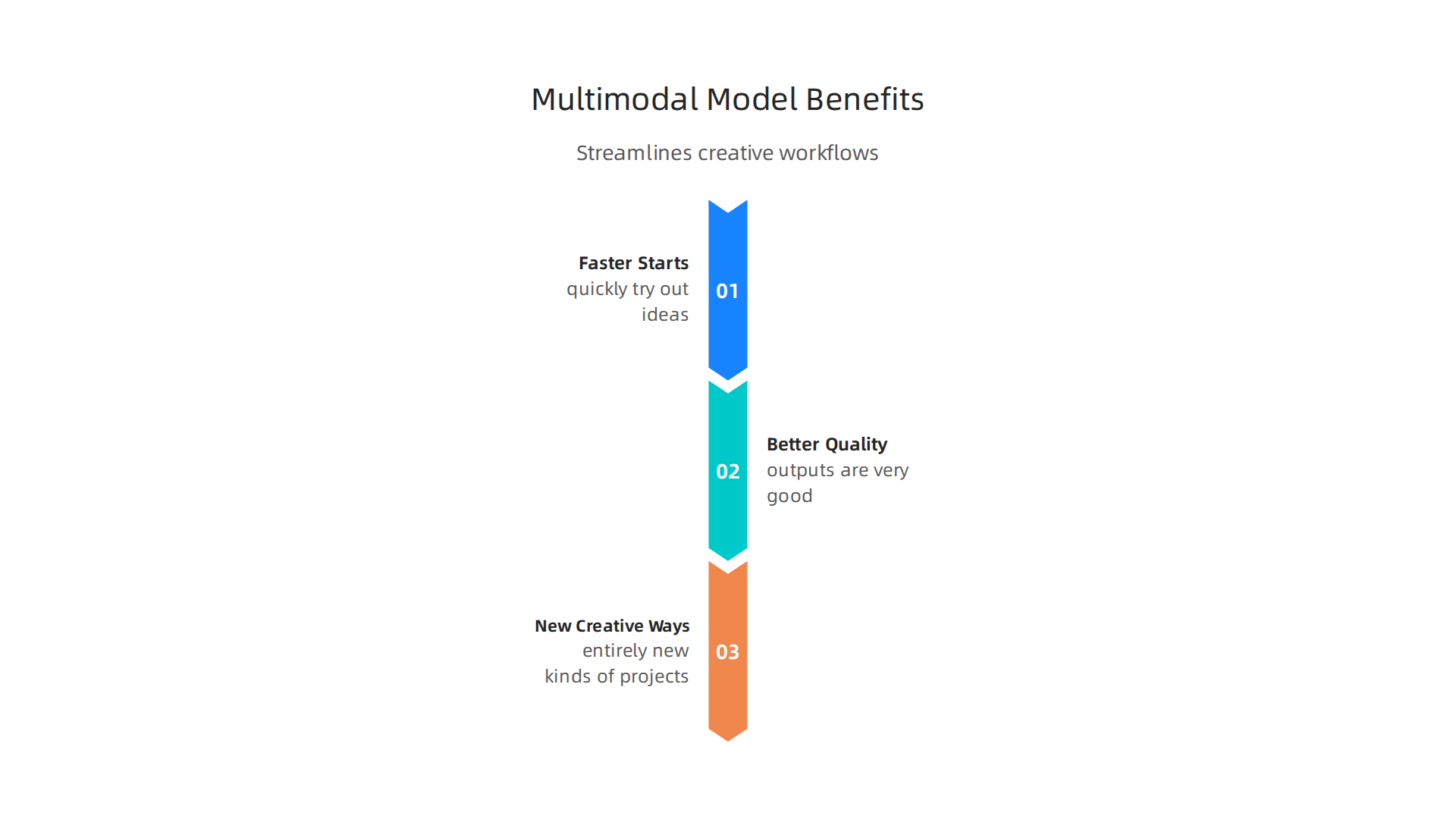
- Faster Starts: You can quickly try out ideas, making first drafts or "prototypes" much quicker than before.
- Better Quality: The outputs from these models are getting very good. This means your final products look and sound more professional.
- New Creative Ways: These advanced tools open doors to entirely new kinds of creative technology and projects that were too hard or too slow to do before. You can make amazing things you might not have even thought possible.
These advancements are changing the landscape of creative technology, making powerful AI accessible for various content creation needs. If you’re looking for advanced tools that blend different media types for your projects, check out some of the best creative AI tools in 2026 for video music design and code. This shift to model-first thinking is making AI a true backbone for all kinds of media creation.
Moving on from how AI models work with many types of media at once, let’s talk about a big win for creative people: AI that turns text into video and makes things happen in real-time. This is a huge part of what makes up the best in top media ai today.
In 2026, text-to-video AI lets you simply type out an idea, and the AI creates a full video from it. Imagine writing a script or just a few sentences, and getting a video clip back right away. This is super helpful for trying out new ideas very quickly, known as rapid concept iteration. It also makes "prototyping" videos much cheaper. Instead of spending a lot of money and time on a test video, you can use AI to make a basic version to see if your idea works. Experts are making big steps to improve video quality and make these AI tools more efficient Generative AI for multimodal content: a survey with empirical …. For content creators, this means you can brainstorm visual content, even making an ai infographic maker concept come to life in video form, faster than ever.
Beyond creating videos from text, another exciting area is "real-time synthesis." This means AI can make or change video, audio, or other media right as you’re using it. Think of it like this:
- Live Streaming: AI can change backgrounds or add special effects to a live show as it happens, without needing hours of editing later.
- AR/VR Experiences: In virtual worlds or augmented reality, AI can create new scenes or characters on the fly based on what a user does or says. This makes those experiences much more interactive and real.
These tools are changing what’s possible in live production and other forms of creative technology. They allow for dynamic content that reacts and evolves, which is perfect for new ways of telling stories or engaging audiences. For example, you could easily create an engaging newsletter background video for your september newsletter ideas in minutes.
The ability of top media AI to turn scripts into stunning videos and to power live, interactive experiences is truly transforming the media world. If you’re looking to stay ahead with the latest AI trends and how they impact business, you’ll find great value in expert analysis.
Get clear daily AI updates from The AI Newsletter Worth Reading.
While AI can create amazing videos and interactive experiences very quickly, its true power also makes sure the right content reaches the right person. This is called hyper-personalization, and it’s a huge part of what makes top media AI so powerful in 2026.
AI-Generated Content for Everyone
Hyper-personalization means AI creates many different versions of content. It then figures out which version is best for each person or a small group of people. This "micro-targeting" helps businesses truly connect with their audience.
Imagine an AI making many versions of an ad, each with a slightly different message or look. It learns what works best for certain people. For example, an AI could create an email for a dedicated AI information newsletter with a specific headline it knows a certain reader segment will love. You could even use an ai infographic maker to create multiple visuals, each tailored to different interests.
This way of working really boosts how much people pay attention. In 2026, almost all marketing agencies (99%) say that making things personal is a must-have for digital marketing, according to a Report: Key Trends Shaping Digital Marketing. Personalized ads also work much better, with some getting 54% more clicks than general ads, as shown in Ad Creative Performance Statistics for 2026. Companies that are really good at personalization can see their income go up by 40% more than others, according to 2026 Marketing Personalization Statistics & Trends.
Smart AI on Your Devices
A cool thing happening in 2026 is "on-device" AI. This means the AI works directly on your phone, computer, or other gadgets. It learns what you like and don’t like without sending all your private information to big company servers. This is known as "privacy-preserving personalization."
It’s a smart way to get custom content that feels like it’s made just for you, all while keeping your personal data safe. This is vital for how strategic AI adoption drives business growth and helps companies keep their customers happy and engaged. When content is personal and respects your privacy, people are much more likely to keep watching, reading, or using a service. This balance helps with getting content out to people (distribution) and making sure they stick around (retention). It’s also changing the game for how creative technology like a special newsletter background or new september newsletter ideas are developed and shared. This makes for successful campaigns, even for AI in social media.
4) Generative Audio & Music: New Modes for Sound Design
Just like AI can make pictures and videos, it’s also getting very good at making sounds. This new type of creative technology is called generative audio and music. It helps create things like background music for videos, sound effects for games, and even human-sounding voices. The best part is that it often works much faster and costs less than the old ways of doing things. This makes it easier for everyone to get high-quality sound for their projects.
One big area where this kind of AI shines is in making voices. AI can now create voices that sound very real, even cloning someone’s voice from a small amount of their speech. It’s becoming harder for people to tell if a voice is real or made by AI. Studies from 2026 show that people are not very good at finding AI-made voice clones. This is a big deal, and experts are working on ways to check if a voice is real or not, like with new tools that benchmark how strong these voice cloning methods are, as seen in research on benchmarking the robustness of voice cloning.
Because AI can create music and voices so easily, new questions come up about who owns these creations. If an AI makes a song, who gets credit?

What about using a cloned voice? In 2026, many people are talking about how to set up new rules for licensing and making sure artists get credit. Some groups are suggesting new ways to manage intellectual property for AI-made voices, such as exploring frameworks for ethical AI voice technology. The goal is to protect human creativity while still letting AI help us make amazing new sounds.
As top media AI continues to grow, it will keep changing how we hear and experience media. This also applies to how we get our news and updates.
Get clear daily AI updates from The Deep View Newsletter. The AI Newsletter Worth Reading
5) AI-Assisted Creative Workflows & Collaboration Tools
AI doesn’t just change how we enjoy media; it also changes how we make it. Think of it like having a super-smart helper for all your creative projects. This is what we call AI-assisted creative workflows. These tools are changing how teams work together and how fast new ideas can become real.
One big change is with AI copilots. These are like smart assistants that work alongside designers, writers, and artists. They can help with many tasks, like suggesting new ideas for images or writing catchy headlines. For example, some AI tools can automatically add keywords or tags to your creative files, making them easier to find later. This is very helpful for organizing all your digital pictures and videos, a process known as digital asset management (DAM). Reports from 2026 show that generative AI is becoming a "copilot" for creation, helping with things like making different versions of text and visuals, and adding helpful tags to files automatically The 2026 trends in asset management: generative AI. Some tools, like Xinet CoPilot, even use AI to suggest keywords and tags by looking at the file’s content and name Xinet by IgniteTech.
These AI tools also help different creative programs work together better. Imagine your design software talking directly to your AI art generator. This means people can create things faster and spend less time on boring, repeated tasks. Teams can now get their creative work, like new ads or website designs, out to the world much quicker. This helps businesses move fast and stay fresh in a world where new things pop up every day.
Being able to make an AI infographic in 2026 quickly or get ideas for a newsletter content strategy is a huge help. This mix of creative technology and AI makes it easier for everyone on a team to share ideas and work together smoothly. It means artists can focus more on the big ideas, while AI handles the small details, making the whole process more fun and efficient.
6) Provenance, Deepfakes & Content Authenticity
While AI helps us create amazing things faster, it also brings up a big new question: how do we know what’s real? As AI gets better at making content, it’s becoming harder to tell the difference between something a person made and something an AI made. This is why proving content authenticity is so important now.
One big worry is called "deepfakes." These are fake pictures, videos, or sounds that AI creates. They look or sound so real that they can easily fool people. Because of this, we need ways to track where digital content comes from. This is known as provenance. It’s like giving every piece of digital media a birth certificate to show its true origin and changes over time. Many experts are working on how to add special hidden marks, called digital watermarks, or other data to content. These marks help us know if a picture or video was made by AI or if it has been changed. A report on Technical Report on AI and Multimedia Authenticity Standards talks about how groups are creating rules for this.
Governments and big online places are also setting new rules to deal with fake content. In 2026, many countries made laws that say all AI-generated content must be labeled clearly. This includes text, pictures, videos, and sounds. The goal is to make sure people know when they are seeing something made by AI, especially if it could spread wrong information. For example, new IT rules started in India in February 2026. These rules say that social media companies must put labels on AI-made content and take down deepfakes very quickly, sometimes within just three hours if someone reports them IT Rules 2026: Deepfake 3-Hour Takedown & AI Labelling – LawSikho. Companies that make top media AI tools now need to build these safety features into their products right from the start.
This focus on content authenticity means that making sure AI is used in good ways is just as important as how powerful it is. Learning how to build ethical and transparent AI for humans is a key part of this change.
Staying up-to-date with these quick changes in AI and media is super important. For clear daily AI updates, consider subscribing to The AI Newsletter Worth Reading.
7) Business Models, Monetization & Rights Management
As AI becomes a bigger part of how we make and share media, questions about how companies make money and who owns what are changing fast. After ensuring content is authentic, the next big step for businesses is figuring out new ways to earn money and manage creator rights fairly.
New ways of making money are popping up thanks to AI. Many companies are now using "API-first licensing."
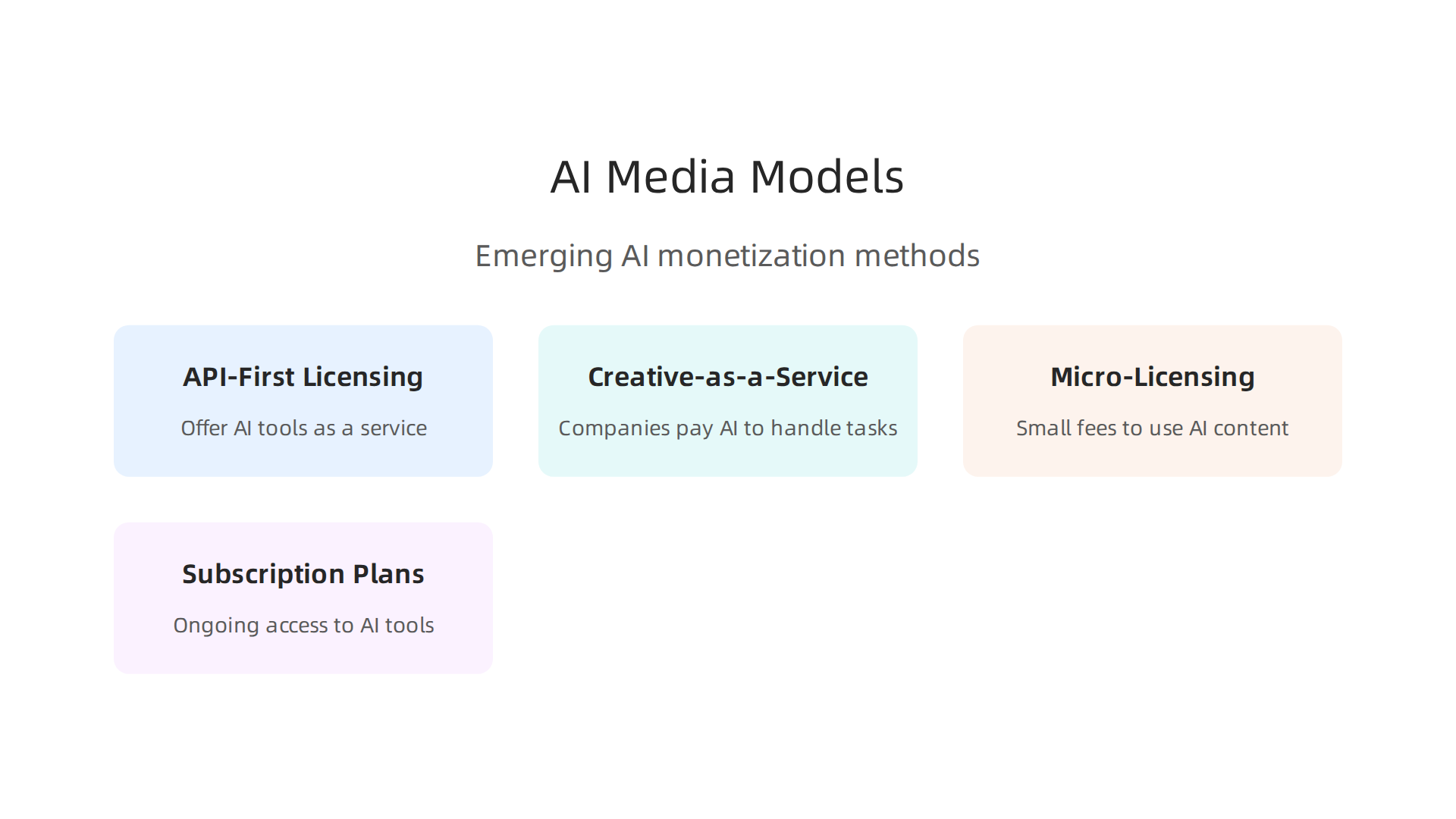
This means they offer their AI tools as a service that other businesses can plug into. Think of it like renting out a super smart AI assistant that can create content for you. For example, a company might use an AI to make custom marketing materials. Also, we are seeing "creative-as-a-service" models, where companies pay for AI to handle their creative tasks, like using an AI infographic maker or creating new art. This creative technology allows businesses to get unique content without hiring a full team of artists. Smaller payments, called "micro-licensing," are also growing. These let people pay tiny fees to use slightly different versions of AI-made content. Many top media AI platforms also offer subscription plans, giving users ongoing access to their powerful tools. These shifts mean companies must have a leaders blueprint for embedding AI to unlock real business value. A report from Accenture in 2026 shows that many media executives expect AI to drive big changes in advertising and content strategy, with 72% already using AI for content production and post-production, and two-thirds piloting it for marketing. This shows how strategic AI adoption drives business growth in 2026.
One of the trickiest parts of this new world is figuring out rights, royalties, and how creators get paid. When an AI creates something, who owns it? What if an AI was trained on thousands of artists’ works? How do those original artists get paid? This is a huge discussion in the "AI-native supply chain." Groups like SAG-AFTRA are already looking at these issues, with some discussions about how AI voices should be handled in sound recordings, making clear when a voice is not an actual human artist. Creating a new system for licensing is very important to make sure creators are protected and get fair pay, especially in areas like AI-generated music. Experts are pushing for new rules to protect human creativity and ensure proper compensation for artists when AI models use their work or when AI helps create new content. This could mean new licensing rules for AI models or broader licensing schemes to cover AI-generated music. The World Intellectual Property Organization (WIPO) has also noted that an AI voice can be a new form of intellectual property, requiring special licensing.
Summary
2026 marks a major inflection point for AI in media, driven by powerful foundational and multimodal models that can handle text, images, audio and video together. This article surveys the practical trends reshaping content creation and distribution: rapid text-to-video and real-time synthesis, hyper-personalization (including on-device privacy-preserving models), generative audio and voice cloning, AI copilots for creative workflows, provenance and deepfake defenses, and evolving monetization and rights frameworks. It explains how these technologies speed prototyping, enable new interactive formats, increase engagement through tailored content, and force new rules for authenticity and licensing. Readers will come away able to evaluate tools, spot the biggest risks, and prioritize strategic steps for adopting AI across production, distribution and business models. The goal is to help executives, creators and investors make clearer, faster decisions in a fast-moving media landscape.