Introduction: Why These Three AI Companies Matter in 2026
Let’s be honest. Keeping up with artificial intelligence in 2026 feels like drinking from a fire hose. Every day brings a new model, a fresh funding round, or some breakthrough that promises to change everything. For investors, executives, and anyone building a career in tech, the noise is deafening.

That is exactly why this spotlight exists. We cut through the clutter and focus on three companies that actually matter right now: Cherry Technologies, Poet Technologies, and Metropolis Technologies. Each one operates in a distinct corner of the computer vision and spatial intelligence space. And each one is critical for the autonomous systems that are reshaping industries from logistics to healthcare to smart cities.
The market itself tells you why this matters. The global computer vision market is projected to hit roughly USD 32.88 billion in 2026 and keep growing at a compound annual rate of nearly 16% through 2031, according to the latest computer vision market size and growth trends report. That is not just big. That is foundational. Computer vision is the eyes of every autonomous vehicle, every warehouse robot, every security system that runs without a human watching a screen.
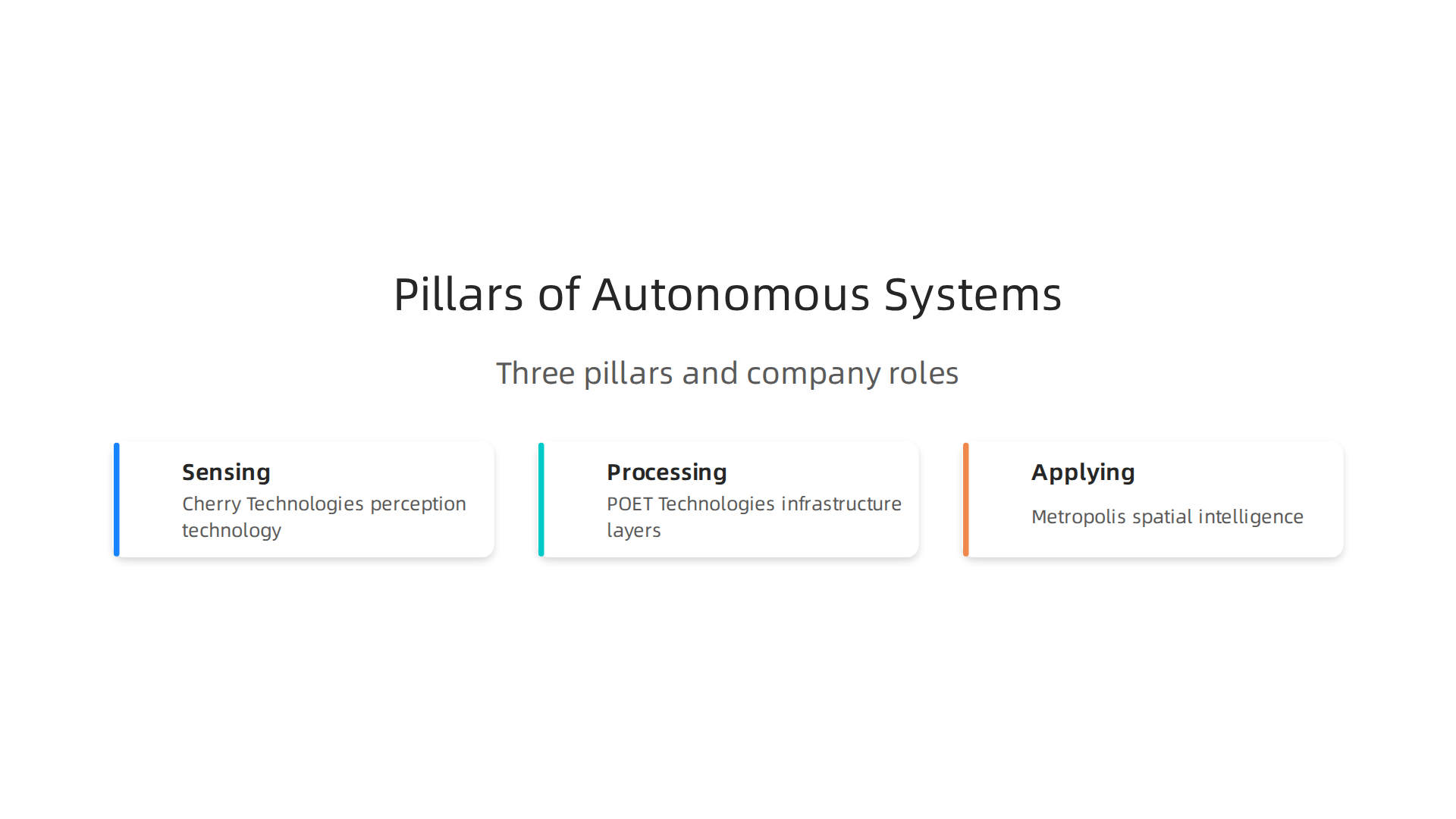
Yet not all computer vision companies are built the same. Cherry, Poet, and Metropolis each tackle a different piece of the puzzle. Cherry focuses on perception technology that helps machines understand the physical world in real time. Poet builds the infrastructure and processing layers that make that perception fast enough for split-second decisions. Metropolis applies spatial intelligence to urban environments, helping cities and logistics networks operate more efficiently. Together, they represent the three pillars that autonomous systems depend on: sensing, processing, and applying.
In 2026, the AI investment landscape is consolidating around companies that have clear product-market fit and scalable technology. These three fit that description. But finding reliable, up-to-date intelligence on each one is harder than it should be. That is why we have curated verified information on Cherry, Poet, and Metropolis in one place so you can make informed decisions without the noise.
If you want to stay ahead of these developments without drowning in daily headlines, consider subscribing to The AI Newsletter Worth Reading. It delivers clear daily updates on the companies and trends that matter most.
The next few sections break down exactly what each company does, how they compare, and where the real opportunity lies. Let us start with Cherry Technologies.
Cherry Technologies: Redefining Autonomous Perception
Have you ever watched a self-driving car suddenly stop for a pedestrian you barely noticed? That split-second decision happens because of something called edge-based perception. It is the ability of a machine to understand its surroundings instantly, without sending data to the cloud and waiting for a response. This is exactly where Cherry Technologies shines.
Cherry builds perception systems that run right on the device itself. Think of it as giving a robot or a delivery vehicle the reflexes of a human driver. No lag. No delay. The company’s core technology uses computer vision and machine learning to recognize objects, people, and movements in real time. Their flagship product, Cherry Pro, achieves an average accuracy of 97.6% for tracking and recognition, according to their Cherry Labs LinkedIn profile. That level of precision matters when a warehouse robot needs to avoid colliding with a worker or an autonomous cart needs to navigate a busy factory floor.
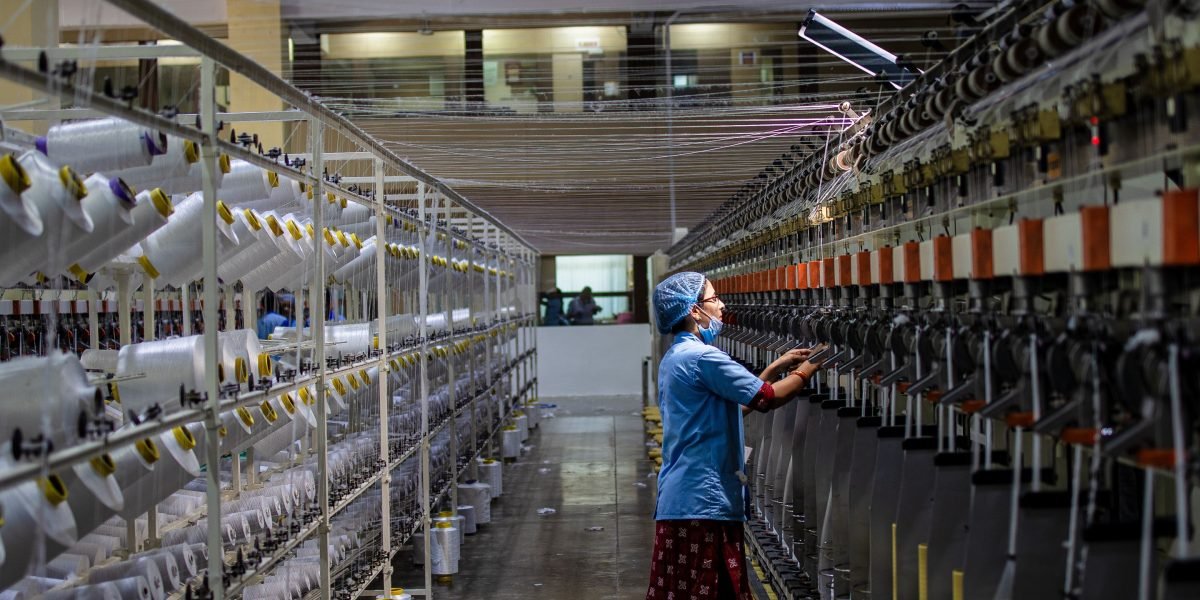
Cherry has been making moves that show real market traction. In the logistics sector, they have partnered with major companies to deploy perception systems that monitor safety and efficiency in warehouses. In automotive, they are working with manufacturers to integrate their tech into next-generation vehicles. These partnerships are not small experiments. They are production-level deployments with Fortune 500 companies.
The company was founded in 2016 and is headquartered in Palo Alto, California. They have raised Series A funding, which signals strong investor confidence in their approach. While specific investors are not always public, the fact that Cherry has grown to a team of over 30 people and landed enterprise clients tells you that their technology is solving a real problem.
Now, why does this matter to you? If you are in logistics, manufacturing, or autonomous systems, Cherry’s edge-based approach could be the missing piece in your safety or automation stack. And if you are an investor, this is a company worth watching closely. To build deeper context around how machine intelligence companies like Cherry are reshaping entire industries, check out our guide on strategic open innovation networks for tech breakthroughs. It explains how big companies partner with startups like Cherry to accelerate their AI roadmaps.
Cherry Technologies is not just another AI startup. It is a critical piece of the autonomous puzzle. Next, we look at how Poet Technologies provides the processing power that makes perception fast enough for real-world use.
Poet Technologies: Advancing Intelligent Automation Through Vision
Cherry Technologies gives machines the reflexes to see instantly. But even the best perception system is useless if it cannot send that data fast enough to make decisions. That is where POET Technologies comes in. POET builds the high-speed optical engines that carry data between sensors, processors, and the cloud at lightning-fast speeds. Without this backbone, real-time computer vision for industrial automation would be impossible.
POET is not a software company. It is a photonic manufacturing platform. Its core invention is the POET Optical Interposer, a way to integrate electronic and photonic components into a single chip using standard semiconductor manufacturing. This matters because it makes optical connections cheaper, smaller, and easier to produce at massive scale. As the company explains on its About Us page, the Optical Interposer enables seamless integration for AI networks and hyperscale data centers.
Now, how does this help with industrial automation and quality inspection? Think about a factory line that uses cameras to detect defects in products. Those cameras generate huge amounts of data. If that data has to travel far or gets delayed, the inspection slows down or misses problems. POET’s optical engines move that data at speeds of 800G, 1.6T, and even 3.2T per second. That means a vision system can process every frame in real time, catching defects that human eyes would miss.
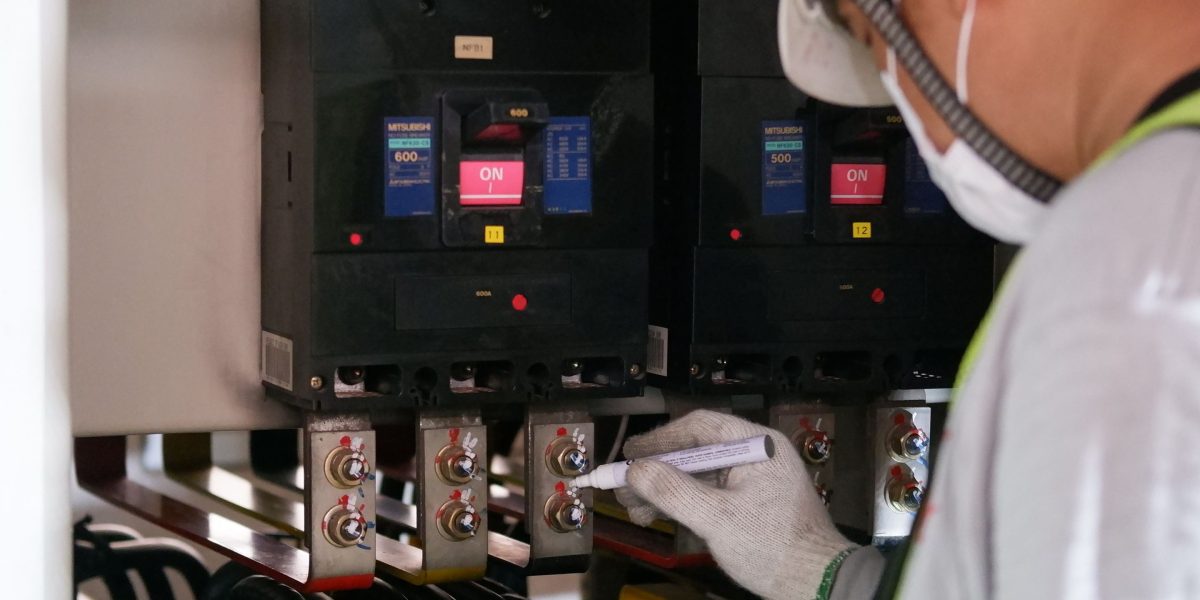
POET has built strong partnerships with some of the biggest names in manufacturing. They are working with Foxconn Interconnect Technology and Luxshare Tech, the same companies that assemble iPhones and AI servers. They also partnered with Mitsubishi Electric to use their lasers in POET’s engines. These relationships give POET a direct path into the global production lines that need computer vision for quality control. You can see more about their joint development with Quantum Computing Inc. in this POET and Quantum Computing co-development announcement.
What sets POET apart from other vision AI startups is that they are not selling just software or a camera module. They are selling the infrastructure that makes vision systems work at scale. Their wafer-level assembly process allows for repeatable, high-yield manufacturing. This is a manufacturing abstraction layer for photonics, not a niche widget. Anyone building an autonomous system, from warehouse robots to autonomous vehicles, needs this kind of connectivity. To go deeper on how infrastructure companies like POET power the next wave of automation, check out our guide on invisible navigational technologies powering drones and robots.
POET has moved from research into commercial production. In 2025, the company opened an 8,000-square-foot manufacturing facility in Malaysia that can produce 1 million optical engines per year. That facility is now ramping up volume for customer orders. POET also won an AI Hardware Innovation Award in 2025, showing the industry recognizes its impact.
If you want to keep up with companies like POET and Cherry that are quietly building the foundation of intelligent automation, you need reliable daily updates. The Deep View Newsletter delivers clear AI insights straight to your inbox every day. It is the easiest way to stay ahead in this fast-moving space.
Metropolis Technologies: Scaling Computer Vision for Smart Spaces
Cherry Technologies gives machines the ability to see. POET Technologies moves that visual data at blistering speeds. But there is a third kind of computer vision company worth knowing about, one that focuses on making everyday physical spaces smarter and more automated. That company is Metropolis Technologies.
You have probably pulled into a parking garage, searched for a ticket, fumbled for your wallet, and then waited in line to pay on the way out. Metropolis eliminates that entire hassle. Its computer vision platform recognizes your vehicle the moment you drive in and charges you automatically when you leave.
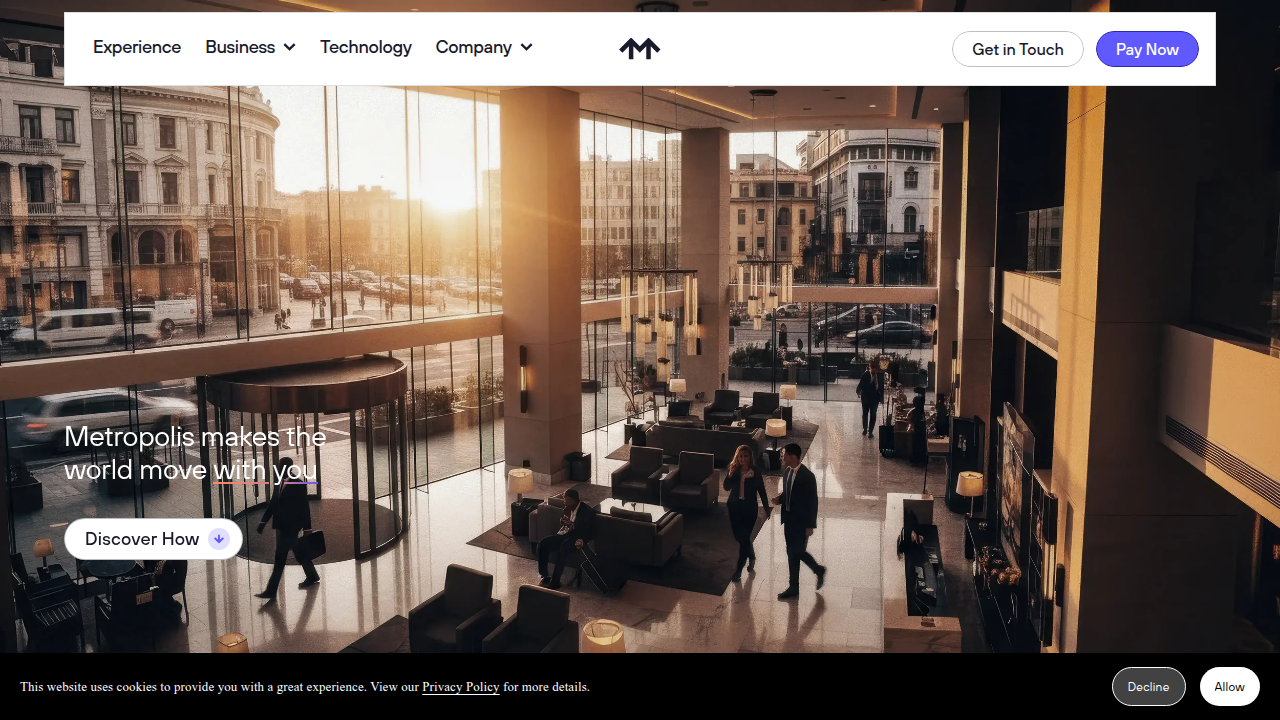
No ticket. No payment kiosk. You just drive in and drive out. This "checkout-free" parking experience uses deep learning algorithms to identify cars by their license plates and physical features, linking each vehicle to a registered user’s payment method.

Metropolis started with parking, but it has much bigger plans. In late 2025, the company raised $1.6 billion to expand beyond AI-powered parking into new industries. That funding round gave Metropolis a valuation of $5 billion. The company now wants to bring its computer vision and payment automation to drive-through restaurants, gas stations, hotels, and retail stores. Imagine pulling into a fast food drive-through, ordering, and having your payment happen automatically as you drive away. That is the future Metropolis is building.
The company has grown aggressively through acquisitions. In 2024, it bought SP Plus Corporation, the largest parking network in North America, in a $1.5 billion deal. That made Metropolis the biggest parking operator in the United States overnight. In 2025, it purchased Oosto, a biometrics and vision analytics company, for about $125 million. These moves have turned Metropolis into a dominant player. The company now manages over 4,200 locations in 40 countries and processes roughly $5 billion in transactions each year, serving 50 million customers.
For investors and tech watchers, Metropolis represents a compelling story. It is not just a parking app. It is a computer vision platform applied to physical infrastructure. As the company expands into retail analytics and access control, its addressable market grows much larger. The question many ask is whether Metropolis will eventually go public or become an acquisition target for a larger technology firm. Either path could deliver significant returns. Metropolis’s growth shows how strategic AI adoption can transform a traditional industry like parking into a high-tech, data-rich business.
The lesson here is that computer vision is not only about robots and self-driving cars. Tech companies like Metropolis prove that applying vision AI to everyday problems like parking can create a massive, profitable business. As you explore the landscape of machine intelligence companies, Metropolis is one to watch for its scale, its expansion plans, and its potential exit.
Head-to-Head Comparison: Cherry vs. Poet vs. Metropolis
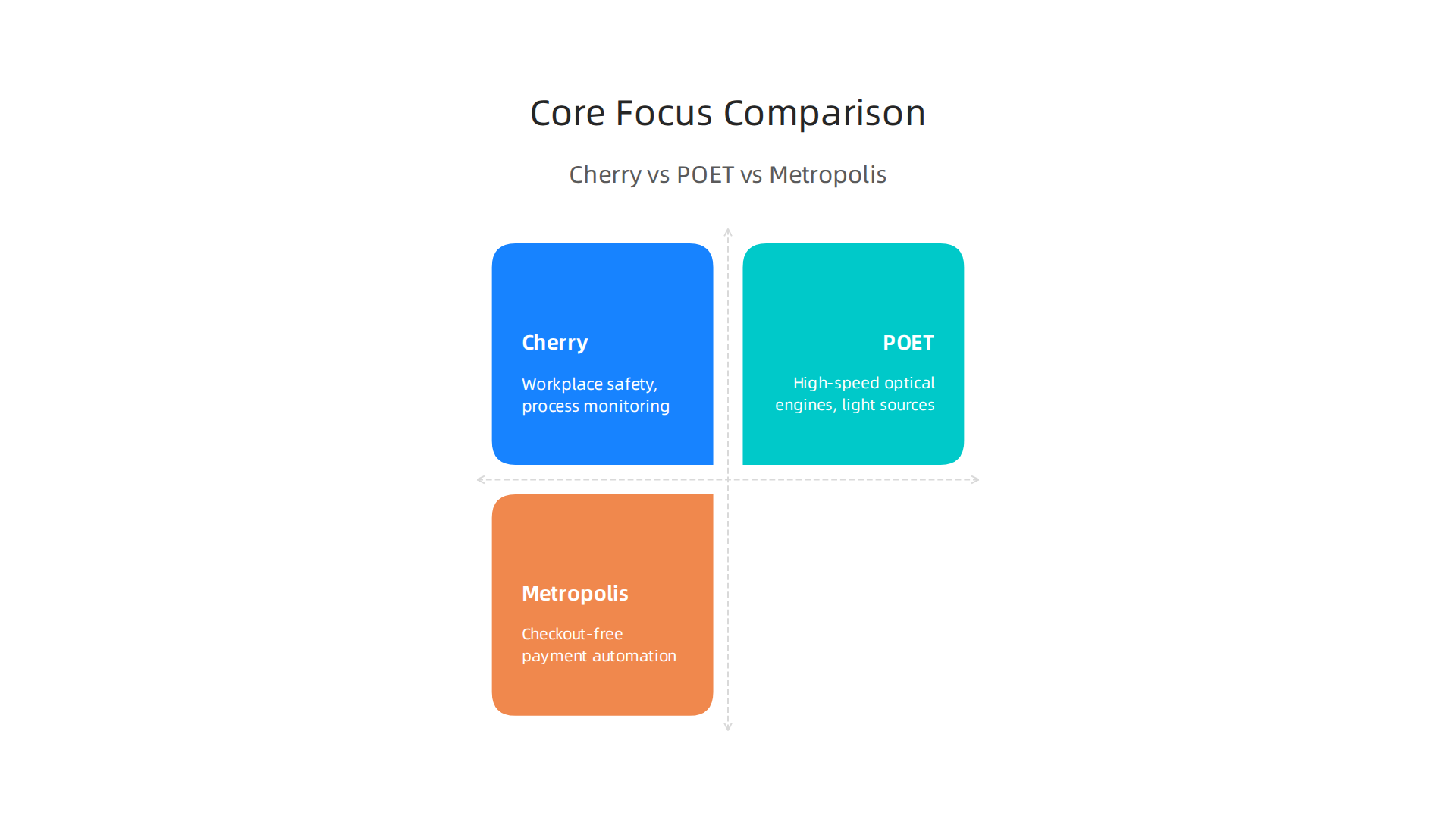
After looking at each company on its own, it is time to put Cherry Technologies, POET Technologies, and Metropolis Technologies side by side. Each one plays a different role in the computer vision world, and knowing the differences can help you spot where the real opportunities are.
Let us compare them across a few key areas.
| Area | Cherry Technologies | POET Technologies | Metropolis Technologies |
|---|---|---|---|
| Core Focus | Workplace safety and process monitoring with AI video analytics | High-speed optical engines and light sources for AI data centers | Checkout-free payment automation for parking and physical spaces |
| Technology | Computer vision + human validation (97.6% accuracy) | POET Optical Interposer platform for photonic integration | Deep learning vehicle recognition + automatic payment |
| Funding & Valuation | Series A (undisclosed valuation); small team (~30 people) | Publicly traded (NASDAQ: POET); raised capital via partnerships and manufacturing ramp | $5 billion valuation after $1.6B raise in 2025 |
| Maturity & Roadmap | Deployed with Fortune 500 clients; expanding into new verticals | Moving from R&D to volume production; 800G, 1.6T, 3.2T engines in pipeline | Already profitable, managing 4,200+ locations; expanding into drive-throughs, gas stations, hotels |
| Target Market | Manufacturing, logistics, retail workplaces | AI infrastructure, hyperscale data centers, optical networking | Parking operators, real estate owners, quick-service restaurants, retail |
Cherry Technologies is the smallest of the three in terms of funding and team size, but it solves a very specific, high-value problem: keeping workers safe and operations efficient in industrial environments. Its strength is in providing accurate, real-time AI video monitoring that works with existing CCTV systems. If your priority is workplace safety, Cherry is the clear choice.
POET Technologies is aiming at the backbone of AI itself. Its optical interposer platform enables faster, cheaper, and more scalable data transmission inside AI clusters. The company is now ramping up production in Malaysia and has partnerships with giants like Foxconn and Luxshare. For investors looking at the next wave of AI infrastructure, POET offers a direct play on the hardware side.
Metropolis Technologies is the most consumer-facing of the three. It uses computer vision to remove friction from everyday transactions, starting with parking and now moving into drive-throughs, gas stations, and hotels. With $5 billion in valuation and over 20 million members, Metropolis is already a massive business. Its growth shows how applying machine intelligence to physical spaces can generate enormous value.
All three companies demonstrate that machine intelligence companies are not a single category. They operate at different layers of the stack, from silicon photonics to workplace analytics to consumer payments. Each one has a clear path to dominance in its own niche.
If you want to stay ahead of the latest developments in AI and machine intelligence, you need a reliable source of daily insights. That is why we recommend The AI Newsletter Worth Reading. It delivers clear, concise updates on the companies and technologies shaping the future, straight to your inbox every day.
For a deeper look at how to evaluate emerging tech companies, check out this AI innovation guide that covers strategy, measurement, and frameworks for decision-making.
The Broader Landscape: Investment Trends in Machine Intelligence
While Cherry, Poet, and Metropolis each target different verticals, they all benefit from the same powerful trend: record investment in computer vision AI. The numbers tell a clear story. The global computer vision market is projected to reach USD 32.88 billion in 2026 and grow to USD 68.38 billion by 2031, according to the latest Computer Vision Market Size report. That is a compound annual growth rate of 15.77%. Investors are pouring capital into companies that apply vision AI to real world problems.
Cherry Technologies fits right into this wave. Its workplace safety platform solves a very specific problem for factories and warehouses. Poet Technologies builds the optical engines that power AI data centers. Metropolis Technologies automates payments in parking garages and drive-throughs. All three are examples of the kind of vertical focused companies that are attracting the most venture money right now. Instead of general purpose AI, investors want solutions that work in one industry and do it well.
Geography also matters. North America contributed nearly half of all computer vision revenue in 2025. But Asia Pacific is growing the fastest, with a projected CAGR of 16.39% through 2031. That means companies like Cherry, which already works with Fortune 500 clients, have room to expand into new regions and sectors. The same goes for Poet, which is ramping up production in Malaysia to serve hyperscale data centers across Asia.
If you are tracking these trends, you need to understand how strategic adoption of AI drives real business outcomes. For a deeper look at how companies are deploying machine intelligence to gain an edge, read this guide on how strategic AI adoption drives business growth. It covers the practical steps leaders are taking in 2026.
The machine intelligence space is not slowing down. Companies that solve clear problems for specific industries are the ones most likely to win long term. Cherry, Poet, and Metropolis each prove that point in their own way.
Key Takeaways for Machine Intelligence Professionals
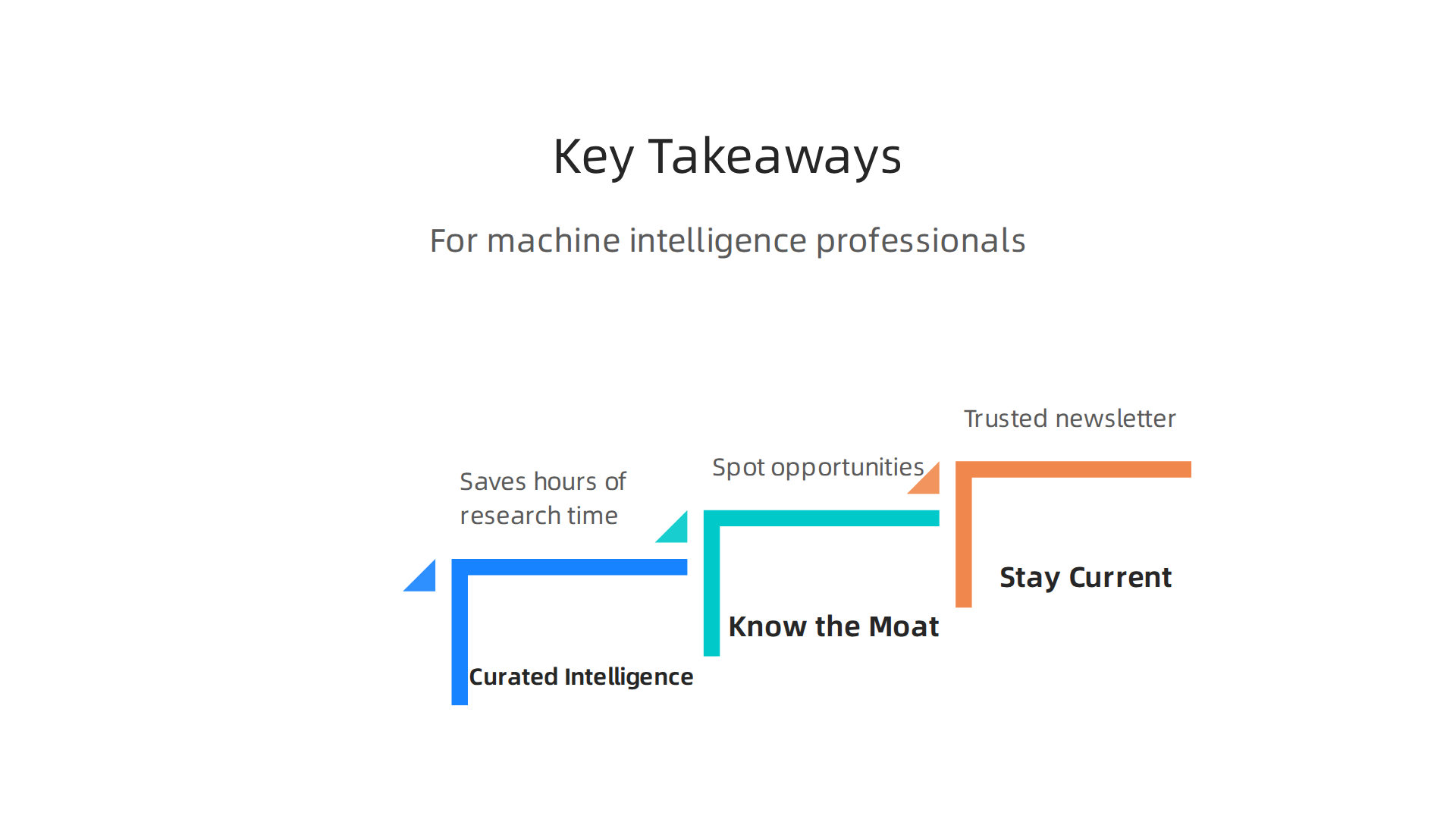
Now that we have covered Cherry Technologies, Poet Technologies, and Metropolis Technologies in detail, here are the key takeaways for anyone working in the machine intelligence space.
These insights will help you make smarter decisions without wasting time.
Curated Intelligence Saves Hours of Research Time
Digging through press releases, financial filings, and social media for each company takes forever. A single curated source that tracks the most important players can cut your research time from days to minutes. The computer vision market alone has hundreds of companies competing for attention. This list of top computer vision companies to watch in 2026 gives you a sense of how crowded the field is. Curated intelligence lets you zero in on the few that really matter, like Cherry Technologies, Poet, and Metropolis.
Know the Moat to Spot Opportunities
Each of these three companies has a different kind of competitive advantage. Cherry Technologies owns workplace safety with real time AI monitoring that hits 97.6% accuracy. Poet owns the optical interposer platform that makes AI data centers faster and more efficient. Metropolis owns the largest parking network in North America and is expanding into drive throughs and gas stations. Understanding these moats helps you decide where to invest, partner, or compete. To learn how to build strategic connections around such technologies, read this AI innovation guide for strategy and frameworks.
Stay Current With a Trusted Newsletter
Even the best in depth reports go out of date quickly in this fast moving industry. Continuous monitoring through a daily newsletter fills the gaps between major announcements. For daily updates that cover Cherry Technologies, Poet, Metropolis, and the broader machine intelligence landscape, sign up for The AI Newsletter Worth Reading. It delivers clear, concise updates straight to your inbox every day.
Keep these three takeaways in mind. Curated intelligence saves time. Understanding moats reveals opportunity. And regular monitoring keeps you ahead of the curve.
Summary
This article profiles three machine-intelligence companies—Cherry Technologies, POET Technologies, and Metropolis Technologies—and explains why each matters for the future of computer vision and autonomous systems. It breaks down Cherry’s edge-based perception for real-time workplace safety, POET’s photonic platform that accelerates data transport for AI infrastructure, and Metropolis’s large-scale checkout-free vision and payment systems for physical spaces. The piece compares their technologies, funding stages, market traction, and target customers, and places them within broader investment and regional trends in computer vision. Readers will learn how these firms fit into the sensing-processing-applying stack, what competitive moats each holds, and how to evaluate opportunities or risks when tracking or investing in machine intelligence companies. The article also recommends practical ways to stay current through curated intelligence and newsletters.