

Why humane technology and strong AI governance matter now
In 2026, we see artificial intelligence (AI) growing faster than ever before. These "smart technologies" are changing how we live, work, and connect with each other. While AI brings many good things, it also comes with big challenges. We need to make sure that these powerful tools are used in a way that helps people and society, not harms them. This is where the idea of "humane technology" comes in.
The problem is that as AI gets more powerful, there’s a risk of social harms. We’ve seen how AI can sometimes be unfair, spread wrong information, or even make decisions that hurt people without us understanding why. This creates a "governance gap." It means that the rules and ways to manage AI are not keeping up with how fast the technology is changing. This gap can lead to problems if we don’t act now to guide AI in the right direction. Groups like the Center for Humane Technology are pushing for AI to be built with human well-being at its core.
For professionals, like business leaders, investors, and researchers, understanding this gap is key. You need to know how to build and use AI responsibly. It’s not just about avoiding bad outcomes. It’s about making sure AI truly serves humanity. This means thinking about "ai ethics" from the very start. Strong "AI governance" helps us set clear rules and make smart choices about how AI is developed and used. It is about creating ethical frameworks for human-centered AI that guide its growth. There’s also a clear global call for better governing AI for humanity to address these concerns.
This article is here to help you navigate this important space. We will bring together the best ideas and tools, offering a practical guide for people like you.

You will find frameworks to understand AI risks, learn what evidence is needed to make good decisions, and get a toolkit tailored for today’s complex AI world. To dive deeper into making AI better for everyone, explore Designing Human-Centered AI Guiding Principles for 2026.
Want to stay informed on the latest in AI and technology? Get clear daily AI updates.
The AI Newsletter Worth Reading
Defining ‘humane technology’ and mapping the governance landscape
We’ve talked about how important it is to guide AI so it helps people. But what exactly does "humane technology" mean? It’s really about making sure that the smart tools we build, especially AI, put human well-being first. This means these technologies should be designed to be safe, fair, and helpful for everyone. They should make our lives better, not cause new problems or harms.
Think of it this way: when we talk about humane technology, we’re focusing on several key ideas:
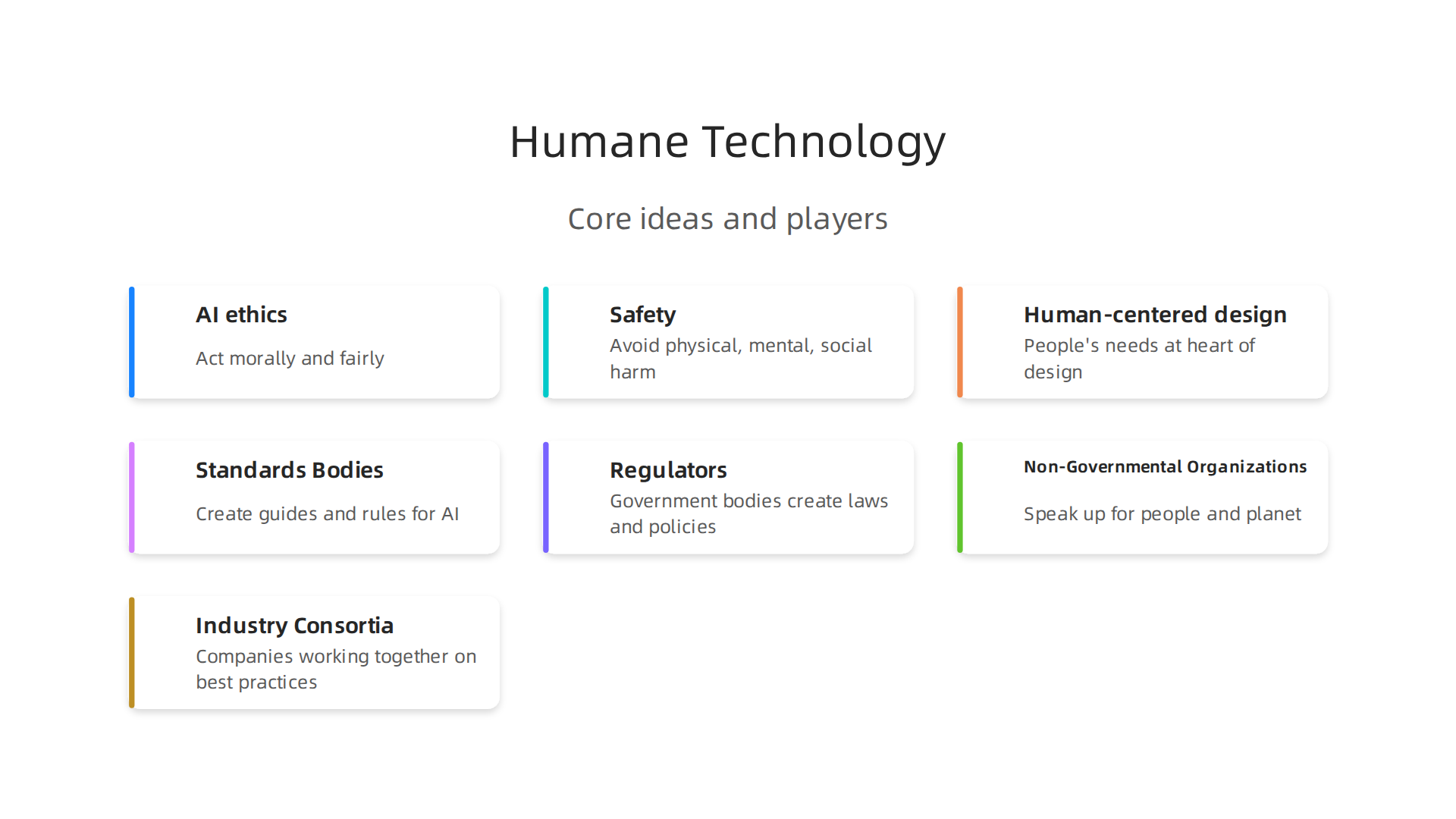
- AI ethics: This is about making sure AI systems act in ways that are morally right and fair. It means thinking about who might be hurt by AI and working to prevent that.
- Safety: AI should be built to avoid causing physical, mental, or social harm. This includes making sure AI does not spread bad information or make unfair decisions.
- Human-centered design: This means creating AI tools with people’s needs and experiences at the very heart of the design process. It’s about building AI to help humans, not to replace our judgment, especially in important decisions. For example, the Center for Humane Technology talks about keeping humans in control of AI in important areas like health and money. Also, a paper on a human-centered taxonomy of AI harms helps us understand how AI might affect human rights and culture.
Who guides AI? The governance map
Making sure AI is humane isn’t just up to one group. Many different players work together to shape how AI is developed and used. This is what we call the "governance landscape."
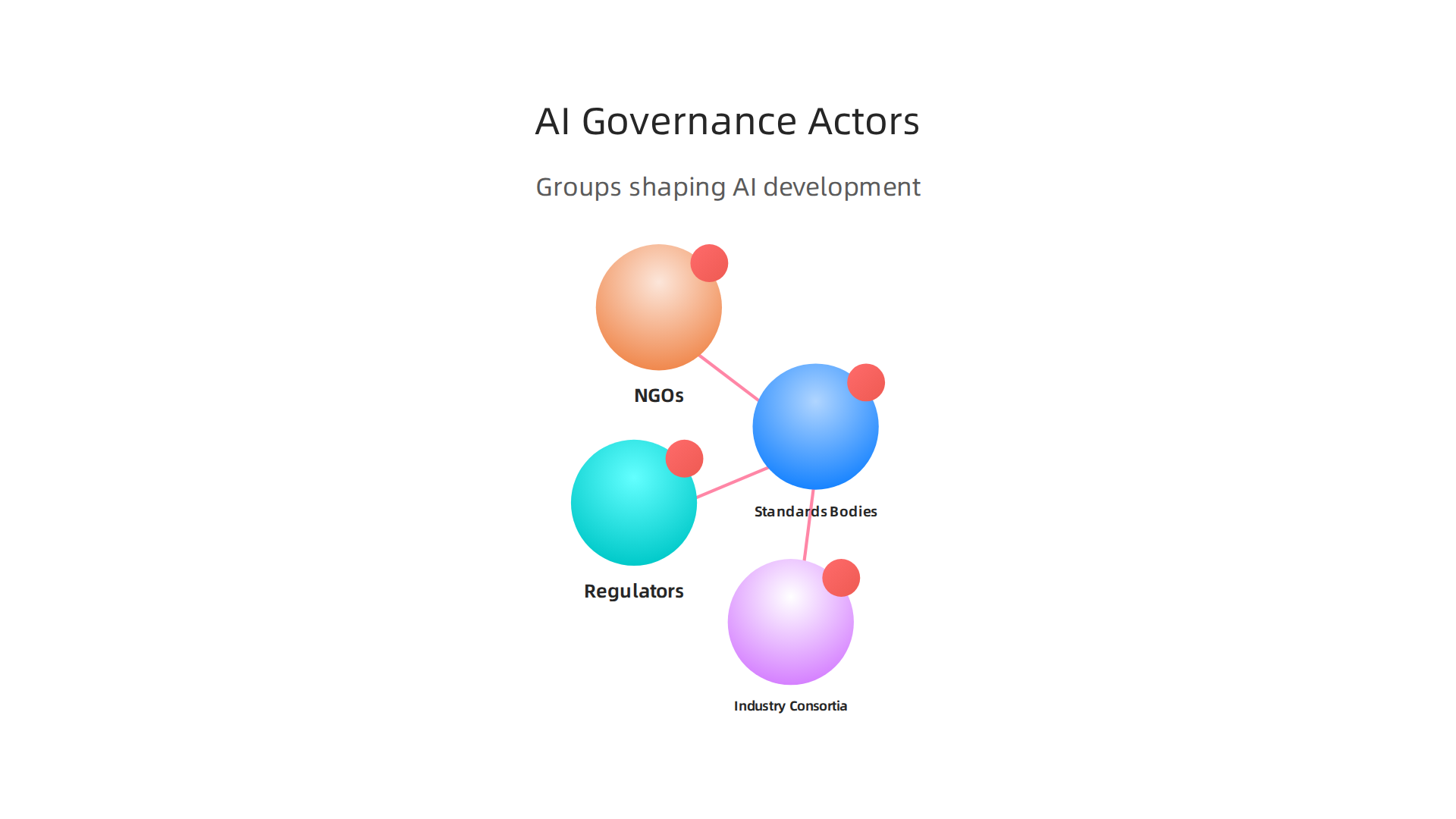
These groups include:
- Standards Bodies: These organizations create helpful guides and rules for how AI should be built. For example, the AS ISO/IEC 12792:2026 standard helps people working with AI understand what information to share to make AI systems more transparent. Another one is the EN ISO/IEC 12792:2025 standard which provides a clear way to talk about how transparent AI systems are. The EU-U.S. Trade and Technology Council also works on AI taxonomy and terminology to help everyone speak the same language about AI.
- Regulators: These are government bodies that create laws and policies for AI. In 2026, many governments are working on how to oversee AI. For instance, federal leadership in AI governance is important but can be fragmented in how it’s put into practice.
- Non-Governmental Organizations (NGOs): These groups often speak up for what’s best for people and the planet. They push for ethical AI, call out problems, and suggest better ways forward.
- Industry Consortia: These are groups of companies working together. They often create best practices for their own industry or share knowledge to solve common AI challenges. They can also work on frameworks for managing AI risks, like those found in an AI risk taxonomy.
All these different groups play a part in making sure AI grows in a way that truly serves humanity. Understanding their roles is key to building and using AI responsibly. If you want to learn more about how to make AI systems fair and clear, check out how to build ethical and transparent AI for humans.
History and influence of the center for humane technology (context, not endorsement)
We’ve explored what humane technology means and who helps guide AI. Now, let’s look at one important group in this space: the Center for Humane Technology, or CHT. This group has played a big part in making people think about how technology affects our lives.
The Center for Humane Technology started in 2018. It was founded by people who used to work in tech, like Tristan Harris, a former Google design ethicist, and investor Roger McNamee. They worried that smart technologies, especially social media and AI, were designed in ways that were not good for people. Their main goal is to make sure technology helps humanity instead of harming it. The CHT wants to change how digital tools are built so they support our well-being, our democracy, and how we share information. You can learn more about their work on their main website.
What CHT does and how it helps
The Center for Humane Technology has made a big impact in a few key ways:
- Raising Public Awareness: CHT has created many campaigns to show people the problems with current tech designs. They help everyone understand how apps and AI might make us spend too much time on screens or even spread bad information. Their work helps people understand how important AI ethics are. They want to make sure technology is built safely and serves people. In 2026, they are holding discussions on preserving what makes us human when facing new AI tools.
- Influencing Policy and Companies: CHT talks to lawmakers and companies to encourage better rules and designs for technology. They offer ideas and advice to help shape how AI is used. For example, they’ve worked on a report called "The AI Roadmap," which shares seven main ideas for how AI should be designed and controlled. This roadmap aims to ensure AI serves everyone. You can find more details about their policy work on their site. Their efforts have even led some big tech companies to change how their products work, like altering social media feeds to show better content.
The Center for Humane Technology focuses on making a big shift towards tech that puts people first. They believe technology should support our collective well-being. If you are looking to stay on top of the rapidly changing world of machine intelligence and how companies are adapting to these ethical considerations, it’s helpful to have a reliable source for news.
To keep up with daily AI updates and understand how new technologies are being shaped, consider subscribing.
The AI Newsletter Worth Reading
Governance frameworks: principles, standards, and policy levers
After looking at how groups like the Center for Humane Technology work to make AI better, it’s clear that we need rules to guide how these smart technologies are built and used. These rules come from what we call "governance frameworks." Think of these as guidebooks that help make sure AI systems are fair, safe, and helpful for everyone.

In 2026, there are a few main ways people think about guiding AI:
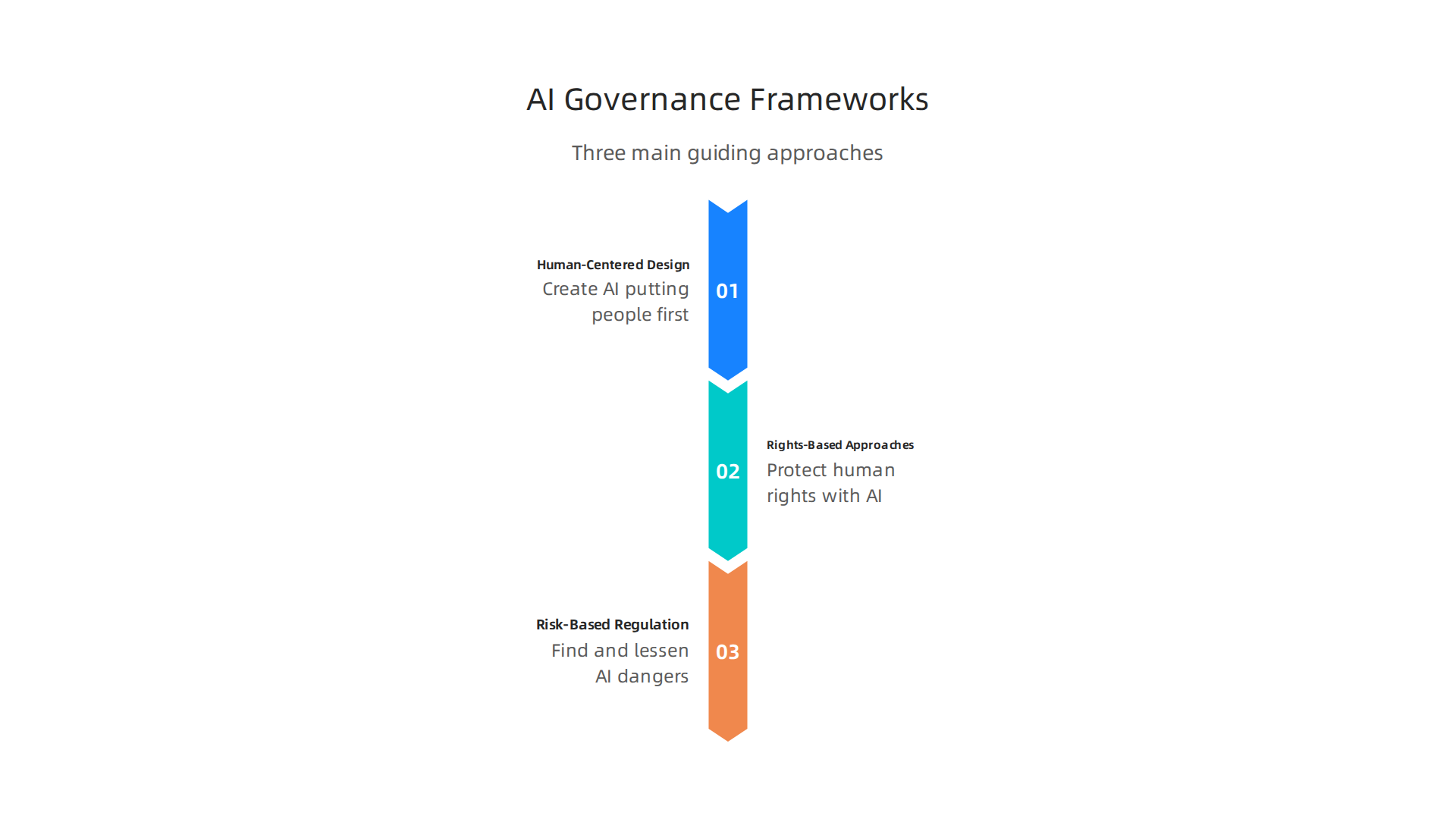
- Human-Centered Design: This idea means that when we create AI, we should always put people first. The goal is to make AI tools that truly help humans, improve our lives, and respect our needs. It asks us to design AI that assists us, rather than taking over important decisions, especially in key areas like healthcare. This approach is key for ethical frameworks for human-centered AI.
- Rights-Based Approaches: This framework focuses on protecting human rights. It makes sure AI doesn’t harm people’s freedom, privacy, or fairness. For example, it stops AI from making unfair choices based on a person’s background. To learn more about building AI that respects people, you can read about how to build ethical and transparent AI for humans.
- Risk-Based Regulation: This way of thinking is all about finding and lessening the dangers that AI might bring. It looks at how much harm an AI system could cause and then puts rules in place to manage those risks. For example, a system that gives medical advice would have much stricter rules than an AI that helps you pick a movie. This often involves looking at an
ai incident databaseto learn from past problems.
How frameworks work together and where they differ
These frameworks often work hand-in-hand. For instance, designing human-centered AI helps to uphold human rights and also lowers risks. However, sometimes they can conflict. A company might focus heavily on just reducing risks to avoid fines, but might not fully embrace a human-centered design that truly puts user well-being first. Being clear about what information an AI system uses and how it makes choices is also part of good governance. In fact, new standards like the EN ISO/IEC 12792:2025 – AI Transparency Taxonomy for AI Systems help define what transparency means for AI.
Corporate rules versus public laws
Some of these frameworks are mostly for companies to follow as their own rules, called corporate policies. These help businesses make their own products ethically. Other frameworks need governments to step in and create public laws or "policy levers." These laws make sure all companies follow certain standards, especially when AI can have a big impact on society. For example, a company might use principles from Designing Human-Centered AI: Guiding Principles for 2026 for its internal projects.
Right now, many countries are working on these kinds of laws. In the US, for example, federal leadership in AI governance exists but can be uneven across different government groups, as highlighted in a report on the Governance of AI. Companies are also finding ways to put these ideas into practice by building on their existing rules and focusing on managing risks, as discussed in Challenges and Best Practices in Corporate AI Governance – arXiv. Both corporate policies and public regulations are important for steering AI towards a helpful future.
How companies operationalize humane technology principles: playbooks and pitfalls
After learning about the rules and ideas behind good AI, the next step is to see how companies actually put these ideas into practice. It’s one thing to have a great framework on paper, but quite another to make it work every day when building smart technologies. This is where "playbooks" come in handy. These are like step-by-step guides that help businesses bake humane technology principles right into their work.
Making AI helpful and safe: the playbooks
To make sure AI systems are fair, safe, and helpful, companies often create special guides for their teams. These guides help them think about AI ethics from the very start of a project. For example, a good playbook will tell teams to clearly define what an AI system is supposed to do and what its limits are before any coding even begins. This helps manage risks and ensures the AI works within certain boundaries, as suggested in the Agentic AI Governance Playbook.
Another key step is to connect how AI is governed to the company’s overall goals. This means making AI adoption a big company objective, like what Stanford’s Digital Economy Lab found in their The Enterprise AI Playbook. It’s not enough to just reduce risks; companies need to make sure their AI products truly benefit people. This often means designing with people in mind first and setting up special groups or committees that regularly check on AI projects. These groups should report to company leaders, using clear measurements to show how well the AI is performing and whether it’s following the rules, a practice highlighted in an AI Governance Playbook For Boards. Companies also need to think about how they get AI tools from other companies, making sure those tools also meet humane standards. For more on this, you can explore The AI Innovation Hub Playbook for 2026.
Common mistakes and how to avoid them
Even with good intentions, companies can run into problems when trying to use humane technology principles. Here are some common pitfalls:
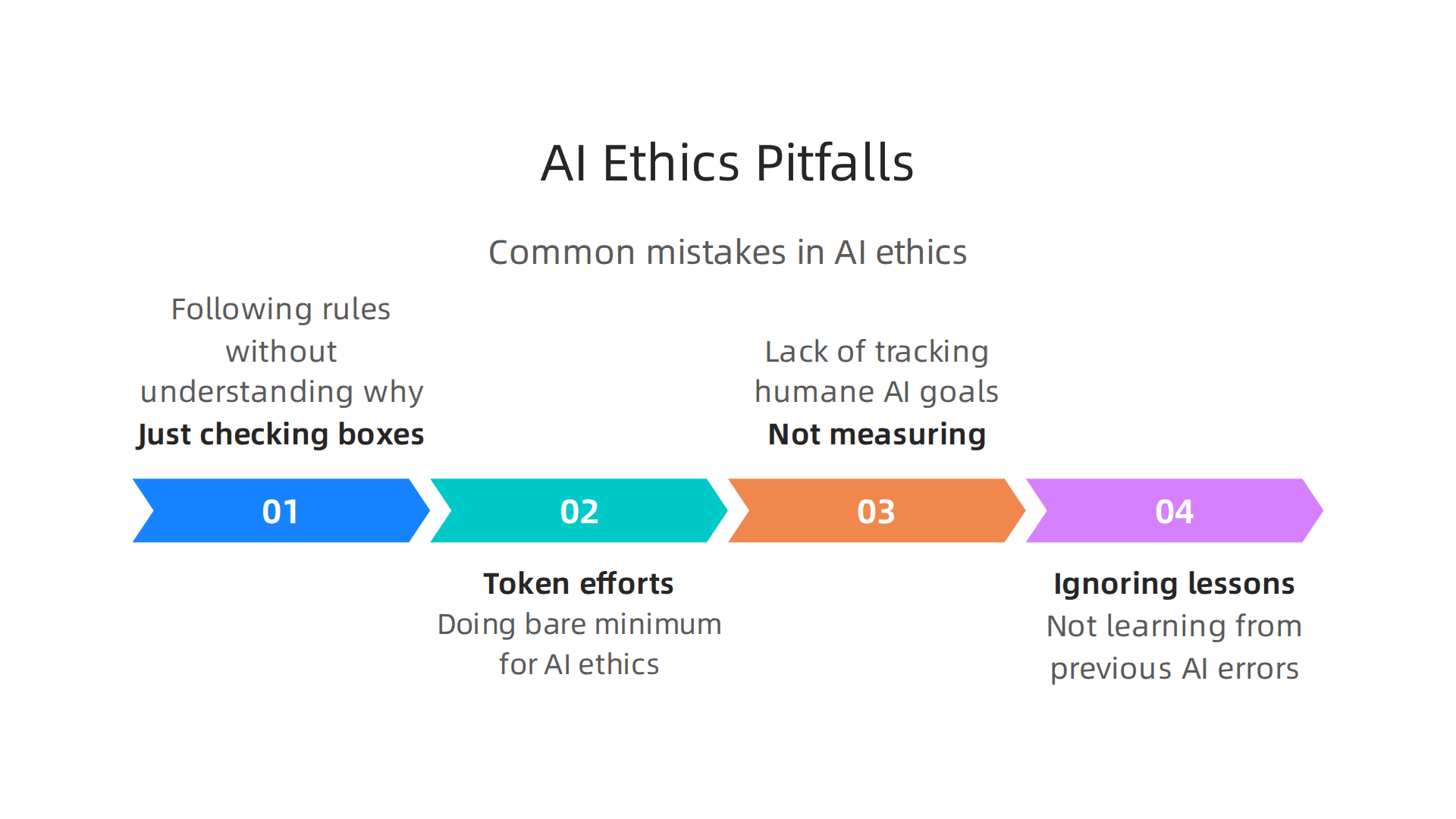
- Just checking boxes: Sometimes, companies might go through the motions of following rules without really understanding why. They might have a checklist but not truly commit to the spirit of AI ethics.
- Token efforts: This means doing the bare minimum. For example, forming an "AI ethics committee" but not giving it real power or resources to make changes.
- Not measuring what matters: If you don’t track how your AI is performing against its humane goals, how do you know if you’re succeeding? Simply tracking how much money an AI makes isn’t enough. You also need to track things like fairness, bias, and how often humans need to step in to fix mistakes. Clear goals and regular checks are important. Metrics like the percentage of AI systems properly documented and risk-classified are critical for strong oversight, as discussed in AI Governance & Risk Readiness 2026.
- Ignoring lessons from the past: Not looking at an
ai incident databaseto learn from previous errors or problems can lead to repeating the same mistakes.
To avoid these problems, companies should make their AI governance a main focus, not just a side project. Leaders need to be responsible for it and make sure teams have the right training and tools. They also need to constantly check and improve their AI systems, using real data to see what’s working and what’s not. Making AI governance a key part of how the company works can lead to better outcomes and a more positive impact on everyone.
If you’re looking to stay on top of the latest developments in AI and technology, consider subscribing to The AI Newsletter Worth Reading. It offers clear daily updates to help you navigate this fast-changing world.
The previous section talked about how companies try to make their AI systems good and safe. But companies don’t work alone. Governments and big international groups are also stepping in to set rules. In 2026, the world is seeing a lot of new rules for AI, aiming to make sure these smart technologies help people without causing harm.
High-priority rules for AI
Governments are mostly focused on a few key areas when it comes to regulating AI:
- Data Governance: This means rules about how AI systems collect, use, and protect our personal information. It’s about making sure data is handled fairly and privately.
- Model Transparency: People want to understand how AI makes decisions. New rules are pushing companies to show how their AI models work, rather than keeping them a secret. This helps us trust AI more and understand its limits.
- Safety Assurance: This is about making sure AI systems are safe and reliable, especially in important areas like healthcare or transportation. Governments want to prevent AI from causing unexpected problems or harm. Think about learning from an AI incident database to make sure new systems don’t repeat past mistakes, as discussed in What Do AI Detectors Look For.
Organizations like the Center for Humane Technology are deeply involved in shaping these discussions. They work to make sure technology, especially AI, truly serves humanity. They even have an AI Roadmap that outlines principles for how AI should be built and governed, emphasizing safety and human well-being. This group, started by tech insiders, aims to guide technology towards better outcomes for everyone.
Navigating rules at home and abroad
Today, companies that build or use AI have to deal with a mix of rules. Some rules come from their own country, like state laws in the US that require audits for AI. Others come from international groups. This creates a "compliance stack" where businesses must follow many different sets of rules at once.
For example, a company might need to meet specific national safety standards for AI, while also following global guidelines for AI ethics. The Center for Humane Technology also plays a role in influencing policymakers and governments on these issues, working to shift incentives towards better tech design. This means companies need to be very careful and smart about how they design and use their AI, always keeping these varied rules in mind.
Now, with all these rules in place, leaders of companies and investors need clear tools to make sure their AI efforts are both strong and safe.

It’s not enough to just know about the rules; you need to have a way to check if your company is following them and doing things right. This means having a concise toolkit of questions to ask, checks to perform (called due diligence), and key numbers to watch (Key Performance Indicators or KPIs).
Due-Diligence Checklist for Investors and Board Members
When looking at an AI company or project, investors and board members should ask important questions. These questions help them understand how well the company manages its AI (governance maturity) and how much risk the AI might bring (risk exposure). You want to know if the company has thought through the potential problems and how they plan to avoid them.
Here are some key things to check:
- What AI systems are in use? Do they have a full list of all their AI tools?
- How are high-risk AI systems controlled? For important AI, like those in health or safety, are there special checks to ensure they work correctly?
- What is the plan if something goes wrong? How quickly can they fix issues if an AI makes a mistake?
- Are they following all the rules? This means checking that the company meets all the legal and ethical guidelines for AI.
- Do they check risks from AI parts made by other companies? Many companies use AI parts from others. Are they making sure those parts are safe too?
Leaders should ask for clear answers on these points to understand a company’s readiness and risks with AI in 2026, as discussed in guides like the one on Board AI Governance in 2026. This kind of careful checking helps everyone make smart decisions.
Executive KPIs for Humane Technology Performance
KPIs are like a scoreboard for how well your AI is doing. For smart technologies, executives need to track specific numbers to make sure their AI is not only working but also being used in a good, "humane" way, and that they are ready for new rules (compliance readiness). The goal is to build products that put people first, a core idea promoted by groups like the center for humane technology.
Some important KPIs for boards and executives to keep an eye on include:
- AI System Inventory Coverage: What percentage of all AI systems in the company are actually documented and understood? You want this number to be high, ideally 100%, so you know what you’re working with.
- High-Risk AI Control Maturity: How well are you managing the risks of your most important AI systems? This looks at if controls are working and getting better over time, as suggested in AI governance KPIs for boards.
- Model Performance against Fairness: Are your AI models fair to all groups of people? You should measure things like bias in data or how often the AI makes errors. This helps ensure good AI ethics.
- Incident Rates and Resolution Times: How often does the AI cause a problem, and how quickly can the team fix it? Lower rates and faster fixes are better.
- Compliance with Governance Policies: Are teams following the company’s internal rules for AI? This helps show if the company is ready for external audits.
By tracking these KPIs, leaders can make sure their AI is both powerful and responsible. To learn more about creating AI that truly helps people, explore designing human-centered AI guiding principles for 2026.
Staying on top of these fast-moving changes in AI can be tough. Get clear daily AI updates to help you navigate this space.
The AI Newsletter Worth Reading
After looking at what AI systems do and how well they are managed with KPIs, we also need to understand their real impact. This means going beyond just numbers to see how AI truly affects people and society. We need different ways to measure this, from simple counts to deep dives into real-world changes.
Measuring Impact and Accountability: Metrics, Audits, and Reporting
Measuring how well AI is working involves a few different steps. First, we look at outputs, which are the things the AI system directly produces. These are the metrics we talked about before, like how many tasks an AI completes or how fast it works. These are easy to count.
But then there are outcomes, which are the deeper, real-world impacts of the AI. For example, if an AI helps doctors, the output might be "number of diagnoses made." The outcome would be "patients getting better care" or "doctors feeling less overwhelmed." The idea of humane technology strongly focuses on these outcomes, making sure smart technologies truly help people thrive, not just do tasks faster. Organizations like the Center for Humane Technology lead the way in thinking about how AI affects humans. Measuring these deeper outcomes can be harder, as it involves understanding complex changes in people’s lives and feelings. It’s often about identifying what truly matters, which can be a big challenge in the AI world in 2026, as noted in discussions about what AI is doing to humans and why measurement is difficult. When planning how to measure these outcomes, it is helpful to have clear steps for deciding what to measure and how to collect data, which are outlined in guides like The How-to guide for measurement for improvement.
Next, we have process audits. These are like checks to make sure the company is following all the rules and good practices when it builds and uses AI. Audits look at how things are done, not just what is done or what happened. This helps show that a company is acting responsibly and ethically.
Designing Audits and Third-Party Validations
To truly build trust and show accountability, companies should use audits and have outside groups check their AI systems. Think of it this way: if an independent expert comes in and says your AI system is fair and safe, people will trust it more. This is called third-party validation. These checks are very important for ai ethics and making sure that AI is used in a fair way for everyone.
These audits can look for things like:
- Whether the AI treats everyone equally.
- If the company has good plans for what to do if the AI makes a mistake.
- That the company is following all government rules about AI.
Such careful checks help companies show they are truly committed to using AI responsibly. They can also help create an ai incident database to track problems and learn from them. This focus on strong measurement and accountability is key for anyone involved with AI, from company leaders to investors. To understand more about how these systems learn and impact strategic business, you might want to read about Mastering How AI Learns for Strategic Business Advantage. It is important to know that building products that prioritize people is a core goal, and this takes effort to achieve, as discussed by groups dedicated to Building Products That Prioritize People.
Summary
This article explains why humane technology and stronger AI governance are urgent priorities in 2026, describing the growing governance gap as AI scales faster than rules and oversight. It defines humane technology—AI designed for human well‑being, safety, fairness, and human‑centered design—and maps the ecosystem of standards bodies, regulators, NGOs, and industry consortia that shape policy and practice. The piece surveys governance frameworks (human‑centered, rights‑based, risk‑based), shows how companies translate principles into operational playbooks, and warns about common pitfalls like check‑the‑box compliance and weak measurement. It gives practical tools for leaders: a due‑diligence checklist for boards and investors, executive KPIs to track readiness and fairness, and guidance on audits and third‑party validation. Readers will come away able to evaluate governance maturity, ask the right oversight questions, and adopt measurement and reporting practices that align AI systems with human well‑being.