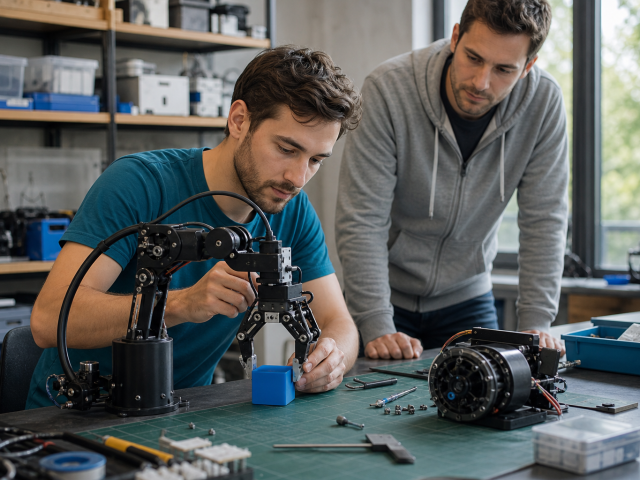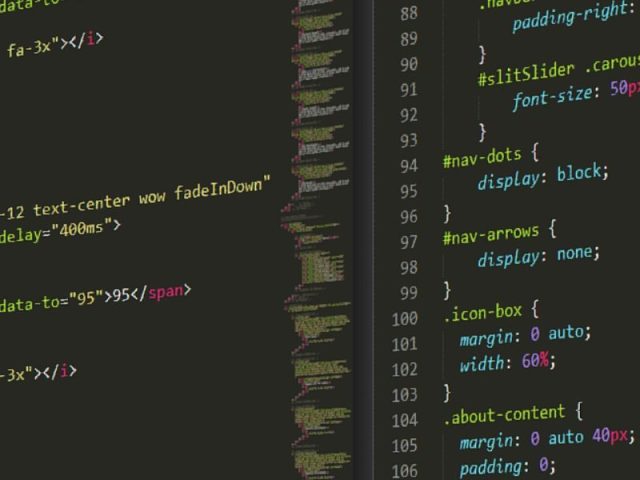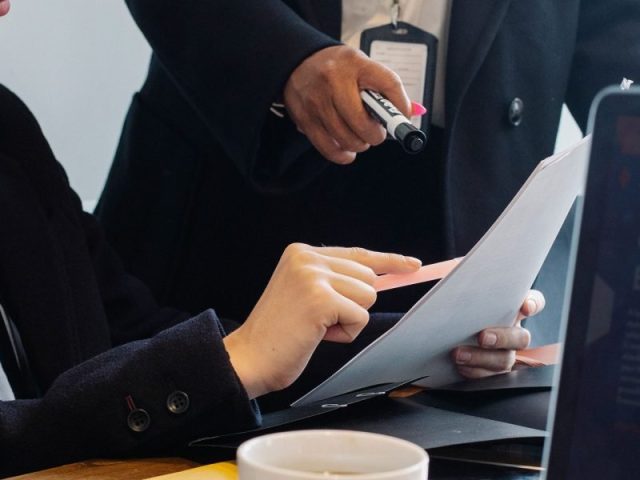

For companies working with machine intelligence, how they show off their ideas and products is super important. It’s not just about what they say, but also what people see. Good technology images help build trust and show what a company is all about.
When you look at big goals like getting money from investors, showing how a product works, or sharing new ideas, clear and strong visuals play a huge part.

For example, a crisp image in an investor presentation can make a complex AI solution easy to grasp. Or a well-designed image in a product demo helps people understand how new technology works. Even for sharing thoughts and leadership, the right visual can make your message stick.
Actually, using pictures in things like mailchimp templates or an email header is crucial. It helps people quickly get what you mean and makes your company look professional. Poor quality images can do the opposite. They can make people confused or think your company isn’t serious. This can waste a lot of time for busy company leaders and people who might want to invest.
Here’s the thing: bad or misleading technology images can also create risks. Imagine an image that promises something your product can’t do, or one that’s blurry and hard to understand. This can lead to a lack of trust. Companies also need to be careful with where they get their images. Using photos without the right permission can lead to big problems later on, like lawsuits, as mentioned in guides on licensing risks with stock photo misuse.
Making sure images are clear, true, and used correctly is a must-do for any machine intelligence company in 2026. It protects your brand and helps your message shine through.
To stay on top of all the fast changes in AI and technology, getting clear updates is key. We recommend:
The AI Newsletter Worth Reading
Get clear daily AI updates from The Deep View Newsletter.
1) Why image quality and accuracy are strategic assets
Using the right technology images is super important for machine intelligence companies. It’s not just about making things look good. It’s about showing what your AI product truly does. Think about the difference between a picture that shows what you hope your product can do (aspirational) and one that shows exactly how it works (accurate technical illustration).
For AI, accurate pictures are key to something called "model explainability." This means showing people how your AI makes decisions, not just what the final answer is.
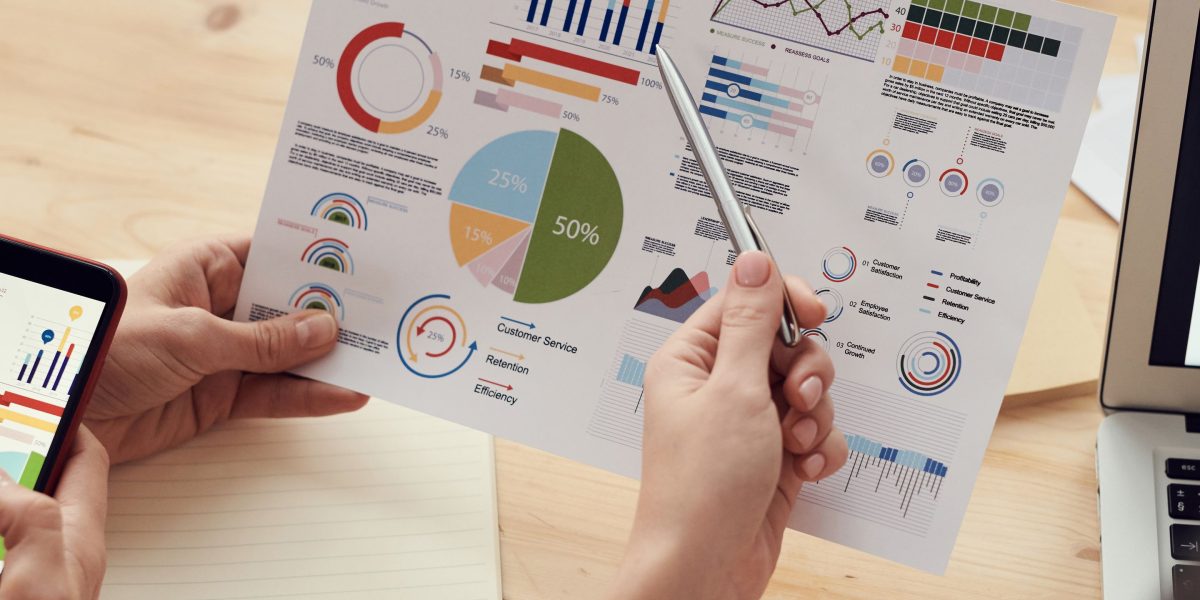
For example, if you have an AI that spots problems in factory machines, a clear diagram showing how the AI "sees" a faulty part is much better than just a picture of a perfect factory. These clear, truthful images help everyone, from engineers to everyday users, understand complex AI ideas. They also make sure no one feels tricked or confused.
High-quality technology images also build trust and make your company look strong. When you talk to investors, they want to see real proof that your product works as you say. Clear and correct images in presentations or product demos show them you know your stuff. This helps you get the money you need to grow.
The same goes for partners and big companies that want to buy your AI tools. They need to know that your technology images truly show what your product can do. If the images are blurry, unclear, or don’t match the actual product, it can make them doubt your company. But if your visuals are sharp, detailed, and truly reflect your product’s abilities, it builds strong credibility.
Making sure images are accessible to everyone is also a big part of quality and accuracy. This means adding "alt text" to your images. Alt text is a short written description of an image that helps people who can’t see the image understand what it’s about.
It also helps search engines understand your content. Good alt text should be short and tell you what information the picture shares, not just how it looks, as noted by experts on Authoring Meaningful Alternative Text. Also, for complex images like charts, you might need a longer description to explain all the details, according to guides on Images Tutorial. Using images with good contrast and high resolution also makes them easier for everyone to see and understand, as suggested in tips for Creating Accessible Figures and Tables. This attention to detail shows your company cares about clarity and inclusion, which makes you a more reliable choice for investors and customers.
Choosing and using technology images correctly is a strategic move in 2026. It makes your message clear, builds trust, and helps your machine intelligence company stand out in a good way. If you want to dive deeper into how different AI tools work, understanding their underlying systems is vital. Learn more about how AI is transforming information technology.
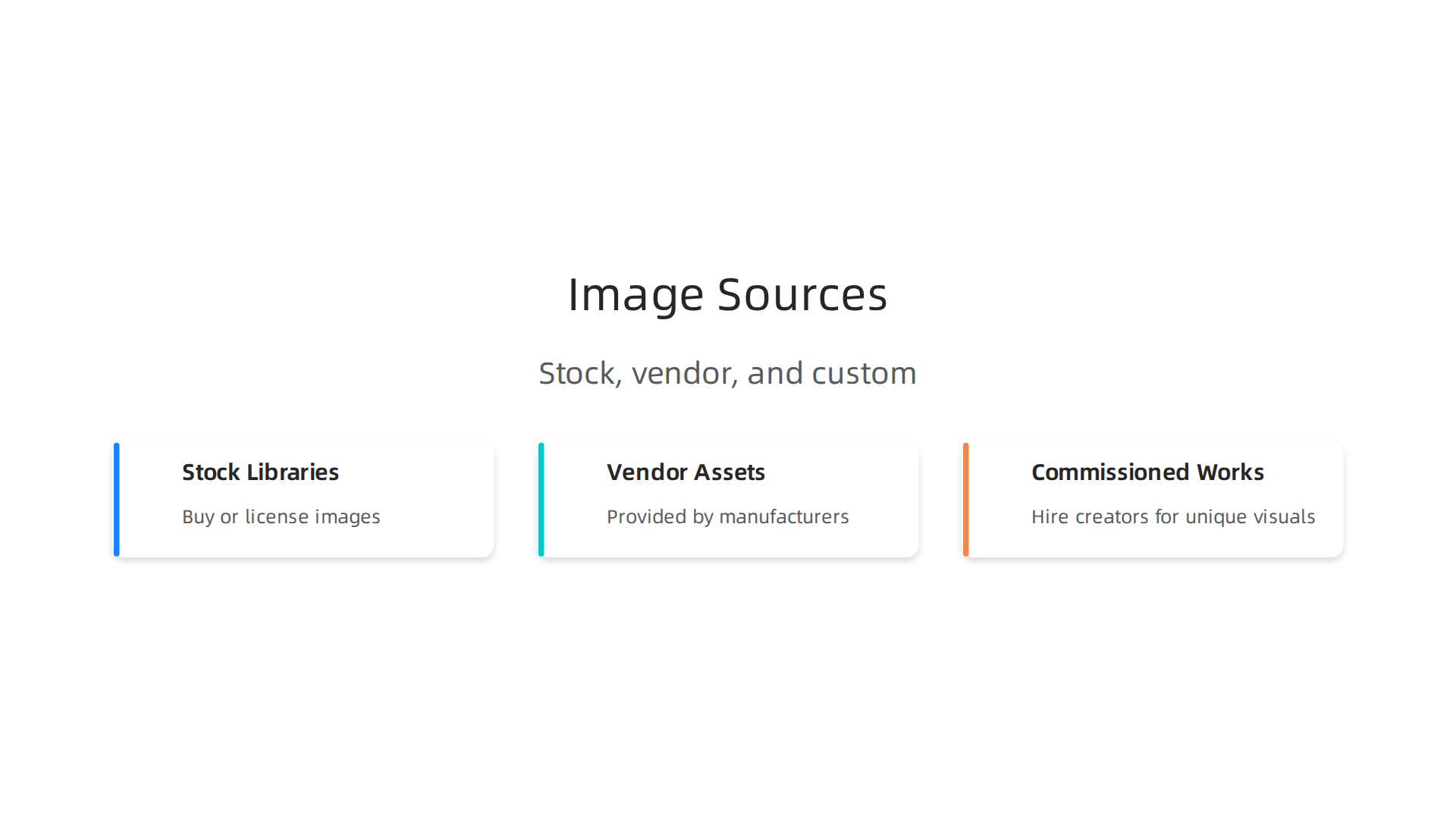
When it comes to picking pictures for your machine intelligence company, knowing where to get them and how to use them legally is super important. It’s not just about finding a nice image. It’s about making sure it’s the right fit and that you have permission to use it. In 2026, there are three main ways to get the technology images you need: stock libraries, vendor-provided assets, and custom creations.
Where to Find Your Technology Images
- Stock Libraries: These are online places where you can buy or get images. They have a lot of pictures, which means you can often find something that looks good quickly. Websites like Adobe Stock or Shutterstock are good examples.

However, many companies use these same images, so your visuals might not look unique. It is also key to remember that "royalty-free" does not always mean "free to use" without any rules. You still need to check the license terms very carefully. Using an image with a watermark still on it is a common mistake and should be avoided at all costs, according to experts on 7 Image Licensing Mistakes and How to Avoid Them.
- Vendor-Provided Assets: Sometimes, the companies that make the AI tools or hardware you use will give you pictures or diagrams of their products. These images are great because they are accurate and show the real thing. But you might not find a wide variety, and they may not match your company’s unique style perfectly. Always check if you are allowed to use these images in your own marketing materials, like in an email header for a newsletter or a presentation.
- Commissioned Photography or Illustrations: This means hiring someone to create unique pictures or drawings just for your company. This is the best way to get images that perfectly show off your AI product and explain how it works. These custom technology images can help explain complex ideas, making your AI more understandable. For example, if you need a detailed infographic to explain an AI process, a commissioned illustrator can create it. If you’re looking to create impactful visual content, learning how to create a high impact AI infographic can be very helpful.
Important Licensing Questions
No matter where you get your technology images, understanding the rules for using them, called licensing, is crucial.
You don’t want to get into legal trouble. Here are some key things to think about:
- Usage Rights: This means knowing where and how you can use the image. Can you put it on your website? In an advertisement? Print it on a flyer? Some licenses are very strict.
- Attribution: Do you need to say who created the image? Many licenses require you to give credit to the artist or source.
- Exclusivity: Can other companies use the exact same image? For important brand visuals, you might want to buy an exclusive license so no one else can use that picture. This helps your company stand out.
- Modification: Can you change the image? What if you want to add your logo or crop it a certain way? The license will tell you if this is allowed.
Ignoring these rules can lead to big problems, including lawsuits and fines, as highlighted in warnings about Licensing Risks With Stock Photo Misuse in Business Use. It is wise to keep good records of all your image licenses. Always register licenses under your company’s name, not a single employee’s. Make sure to review the terms carefully, especially if you’re using the images in public campaigns, like in Mailchimp templates for email marketing or in materials created with a writing prompt generator for content creation.
Knowing these details helps your company use technology images smartly and safely.
To stay current on all the important shifts in the AI and tech world, make sure you’re getting the best insights.
The AI Newsletter Worth Reading: Get clear daily AI updates from The Deep View Newsletter.
Generating your own unique visuals with artificial intelligence is becoming a big thing for machine intelligence companies in 2026. This method lets you create images that fit your exact needs, without having to search through stock photos or wait for a custom artist.
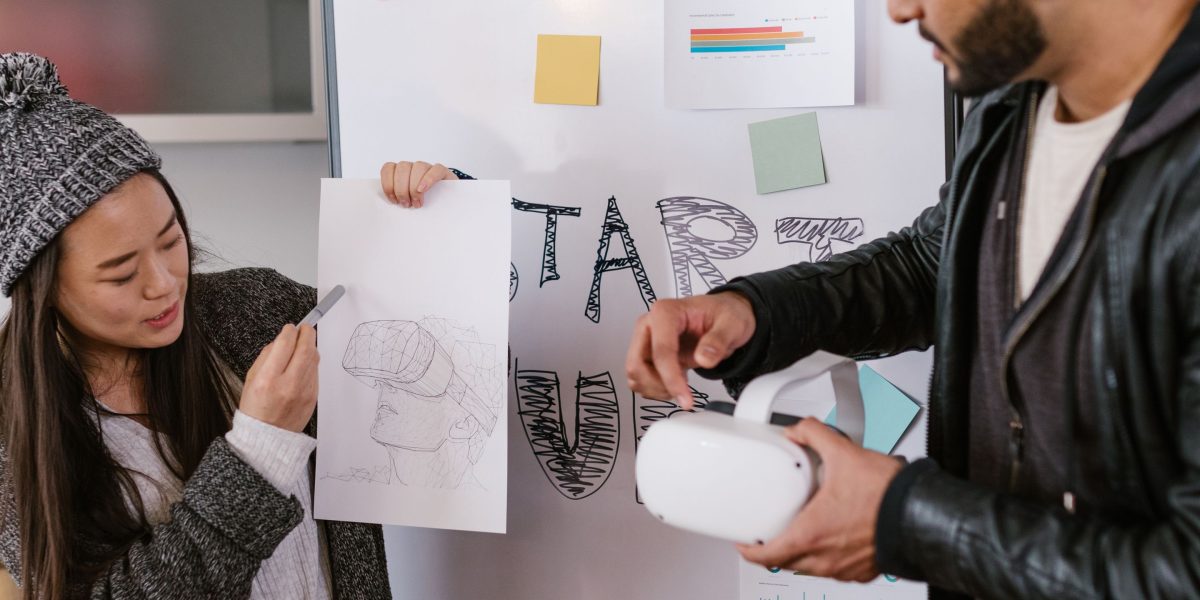
But there are important steps and rules to follow when using AI to make visuals.
Making Your Own AI Technology Images
Here’s a simple way to create, check, and approve AI-made pictures for your company:
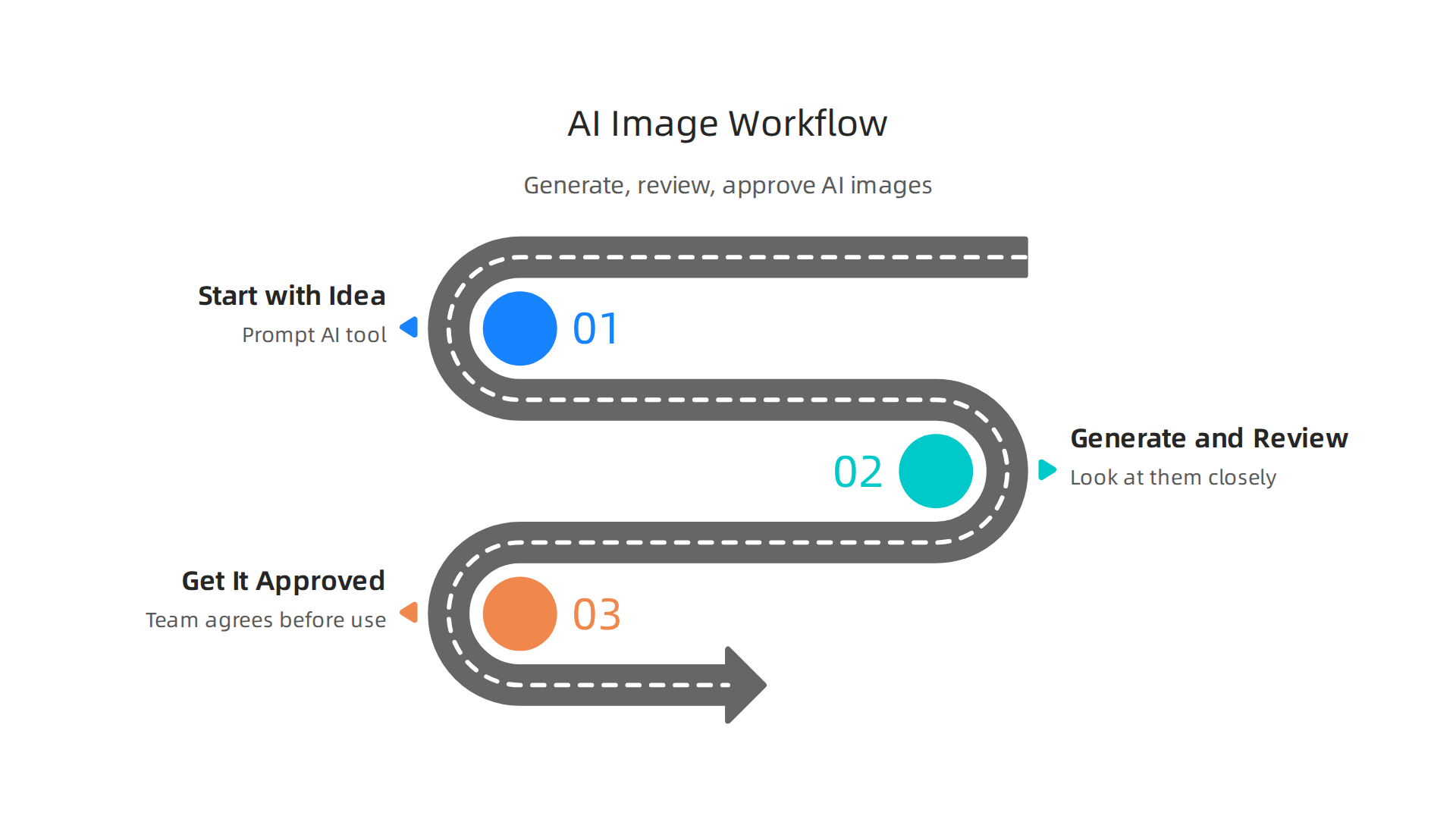
- Start with an Idea (Prompting): First, you think about what kind of technology images you need. What should it look like? What colors, style, or feeling should it have? You put these ideas into words, called a "prompt," for the AI tool. The more clear your prompt, the better the picture the AI will create. You can even use a specific AI platform taxonomy to guide your generation.
- Generate and Review: The AI tool will give you some pictures based on your words. Look at them closely. Do they match your idea? Are they good quality? Do they look real or clearly artificial? You might need to change your prompt a few times to get it just right. Think of it like a new kind of writing prompt generator, but for pictures!
- Get It Approved: Before you use any AI-generated images in your marketing, like on your website or in an email header, make sure your team agrees. It’s a good idea to have clear steps for approving these visuals, just like you would for any other important company material.
Important Rules for AI-Made Images
Using AI to create visuals also comes with special things to think about, especially around who owns the pictures and how truthful they are. These are often called "guardrails."
- Who Owns the Picture? (Copyright): This is a tricky part. In 2026, if an image is made completely by AI without a lot of human creative effort, usually no one can own the copyright for it.
This means the picture might be free for anyone to use, copy, or sell. This has been confirmed by rules from the U.S. Copyright Office and other groups, stating that copyright protects human creativity, not just machine output. The rule is that purely AI-generated works, without enough human creative input, cannot get copyright protection in the US and most of Europe, as explained in reports like the one on Copyright and Artificial Intelligence, Part 2: Copyrightability. However, if a human changes or arranges the AI output in a creative way, they might be able to get copyright for those human parts, as highlighted in "Copyright Office Releases Part 2 of Artificial Intelligence" and "AI Art Copyright 2026: The Complete Legal Guide for…" research.
- Be Clear About AI Use: If you use AI to make your technology images, it’s good to be open about it. Let people know that the image was created with AI. This builds trust with your audience.
- Keep It Real (No Deception): Make sure AI-generated images correctly show your products or services. You don’t want to use a picture that makes your product look better or different than it actually is. This is especially true for product photos, as noted in The Legal Guide to AI Product Photography in 2026.
- People in Pictures: Be very careful if your AI creates images that look like real people. You must make sure you have the right to use their likeness, even if they aren’t real. It’s best to avoid using AI to create images of people for commercial use unless you are absolutely sure of the rules.
- Where AI Learned From: AI models learn from huge amounts of existing pictures. Sometimes, these pictures might have been copyrighted by other people. There are ongoing talks about how to make sure AI respects these rights, with calls for creators to have control over their content used for AI training, as discussed in Navigating Copyright in the Age of Generative AI.
Always make sure a person is guiding the AI and checking its work. This human touch is key to making sure your AI-generated technology images are useful, safe, and ethical. For more on ensuring your AI tools are built responsibly, consider checking out resources on humane technology principles.
Using AI to create amazing visuals is just one part of the journey. Once you have your unique technology images, the next big step is to make sure people can actually find them and that they work well everywhere you use them. This is about optimizing your images so they load fast, look good on any device, and help your content show up higher in search results.
Technical Best Practices for AI-Made Images
To make your technology images perform their best, think about these technical points:
- Choose the Right Format: Different image types work better for different needs. For photos with many colors, JPEG is often a good choice. For images with clear lines, text, or transparent backgrounds, PNG works well. For modern web use, WebP often gives smaller file sizes without losing quality.
- Compress Your Images: Large image files can slow down your website. You should use tools to make your images smaller (compress them) without making them look bad. This helps your pages load faster, which makes visitors happier and is better for search engines. Ensuring high quality while compressing is key, much like careful Quality Assurance Checklist: A Practical 2026 Guide for any digital asset.
- Use Responsive Variants: People view websites on many different devices, from big computer screens to small phones. It’s smart to have different sizes of your images available so that the website can serve the right size for each device. This makes sure your technology images always look clear and load efficiently, whether they are in an article or part of an email header.
- Add Metadata for SEO: This means adding information about your image that search engines can read.
- Alt Text: This is a short description of what’s in the image. It helps search engines understand the picture and is also very important for people who use screen readers due to vision impairment. Make sure your alt text is clear and describes the image using relevant keywords.
- File Names: Give your image files clear, descriptive names before uploading them. Instead of "IMG_001.jpg," use "ai-robot-arm-assembly.jpg."
- Image Titles: Some platforms let you add an image title, which can also help with SEO and user experience.
Checking your image files for quality and compliance with these technical standards is a crucial step, similar to performing QC inspections of image files for technical parameters in large digital projects.
Content Tactics for AI-Generated Images
Beyond the technical stuff, how you use your images in your content also matters:
- Write Helpful Captions: A good caption explains what the image shows and adds context. It helps your audience understand the picture better and can also include important keywords for SEO.
- Use Structured Data (Schema Markup): This is a special code that helps search engines understand your content even better. You can use it to tell search engines what an image is about, especially if it’s a product image or an infographic. For creating visually impactful content, structured data can also boost the performance of something like a high impact AI infographic.
- Image-First Content Strategies: For tech audiences, visuals can sometimes tell the story faster than words. Think about content where the technology images are the main focus, like detailed diagrams, product demonstrations, or comparison charts. This approach can be very engaging and keep readers on your page longer.
By following these steps, your AI-generated technology images will not only look great but also work hard for your business, helping people find your content and engage with it more effectively in 2026.
Ready to dive deeper into the world of AI and technology trends?
The AI Newsletter Worth Reading
Using AI to create amazing visuals is just one part of the journey. Once you have your unique technology images, the next big step is to make sure people can actually find them and that they work well everywhere you use them. This is about optimizing your images so they load fast, look good on any device, and help your content show up higher in search results.
Technical Best Practices for AI-Made Images
To make your technology images perform their best, think about these technical points:
- Choose the Right Format: Different image types work better for different needs. For photos with many colors, JPEG is often a good choice. For images with clear lines, text, or transparent backgrounds, PNG works well. For modern web use, WebP often gives smaller file sizes without losing quality.
- Compress Your Images: Large image files can slow down your website. You should use tools to make your images smaller (compress them) without making them look bad. This helps your pages load faster, which makes visitors happier and is better for search engines. Ensuring high quality while compressing is key, much like careful Quality Assurance Checklist: A Practical 2026 Guide for any digital asset.
- Use Responsive Variants: People view websites on many different devices, from big computer screens to small phones. It’s smart to have different sizes of your images available so that the website can serve the right size for each device. This makes sure your technology images always look clear and load efficiently, whether they are in an article or part of an email header.
- Add Metadata for SEO: This means adding information about your image that search engines can read.
- Alt Text: This is a short description of what’s in the image. It helps search engines understand the picture and is also very important for people who use screen readers due to vision impairment. Make sure your alt text is clear and describes the image using relevant keywords.
- File Names: Give your image files clear, descriptive names before uploading them. Instead of "IMG_001.jpg," use "ai-robot-arm-assembly.jpg."
- Image Titles: Some platforms let you add an image title, which can also help with SEO and user experience.
Checking your image files for quality and compliance with these technical standards is a crucial step, similar to performing QC inspections of image files for technical parameters in large digital projects.
Content Tactics for AI-Generated Images
Beyond the technical stuff, how you use your images in your content also matters:
- Write Helpful Captions: A good caption explains what the image shows and adds context. It helps your audience understand the picture better and can also include important keywords for SEO.
- Use Structured Data (Schema Markup): This is a special code that helps search engines understand your content even better. You can use it to tell search engines what an image is about, especially if it’s a product image or an infographic. For creating visually impactful content, structured data can also boost the performance of something like a high impact AI infographic.
- Image-First Content Strategies: For tech audiences, visuals can sometimes tell the story faster than words. Think about content where the technology images are the main focus, like detailed diagrams, product demonstrations, or comparison charts. This approach can be very engaging and keep readers on your page longer.
By following these steps, your AI-generated technology images will not only look great but also work hard for your business, helping people find your content and engage with it more effectively in 2026.
Accessibility, Bias, and Ethical Considerations in Tech Visuals
Making beautiful and effective technology images is important. But it’s also key to think about making them fair and usable for everyone. This means considering accessibility, making sure your images don’t show unfair biases, and always being ethical.
Making Technology Images Accessible
Accessibility means making sure everyone, including people with disabilities, can understand and use your content.
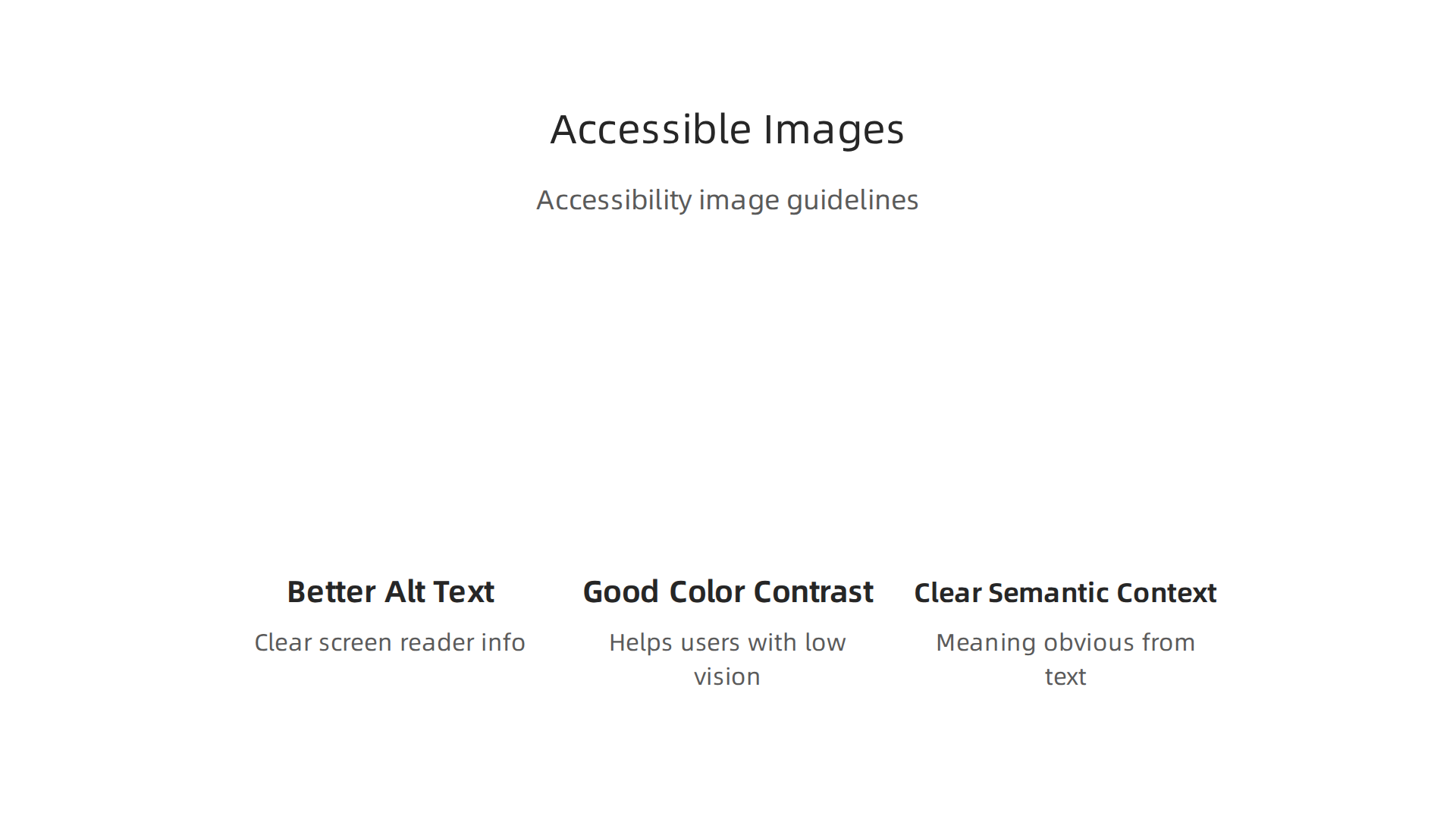
For your technology images, this means a few things:
- Better Alt Text: We talked about alt text for SEO. But it’s even more important for accessibility. It should clearly tell someone using a screen reader what the image shows and what information it gives. Think of it as answering the question, "What would a user miss if the image vanished?" Authoring Meaningful Alternative Text suggests alt text should be short but also give the same main information as the visual. For really complex images, like charts or graphs, you might need to give a longer, more detailed description elsewhere on the page to fully explain the data.
- Good Color Contrast: If your images have text on them, or if different parts of an image need to stand out, make sure there’s enough color difference. This helps people with vision problems see and understand your visuals. For example, a light gray text on a white background is hard to read. Guidelines like those from WCAG (Web Content Accessibility Guidelines) recommend specific contrast levels to make sure your images are easy to see. All images and graphics should follow these important digital accessibility standards.
- Clear Semantic Context: This means the meaning of your technology images should always be clear from the surrounding text or captions. For example, if you use an image in an email header, its purpose should be obvious.
Avoiding Bias and Being Ethical
AI tools learn from huge amounts of data. If that data has biases, the AI can create technology images that also show those biases. For example, if the AI is mostly trained on images of one type of person in a certain job, it might only show that type of person when you ask it to create an image for that job.
- Check for Representational Bias: When creating technology images with AI, you need to check them for fairness. Does the AI always show the same kind of person or perspective? Are some groups of people left out? Make sure your images reflect the diverse world we live in. This is key for designing human-centered AI guiding principles for 2026.
- Ensure Ethical Accuracy: Especially for educational or serious content, your AI-generated visuals must be accurate and truthful. For instance, if you’re using an AI-generated image to show a new medical device, make sure the image is realistic and doesn’t mislead viewers. It’s about building trust with your audience. To do this, we need to think about how to build ethical and transparent AI for humans.
- Consider the Source: If you’re using a writing prompt generator to describe your desired image, be mindful of the words you use. Biased prompts can lead to biased images. Always review the final output carefully.
By keeping these points in mind, you can create technology images that are not only striking and effective but also fair, inclusive, and ethical for everyone in 2026.
Get clear daily AI updates from The Deep View Newsletter.
The AI Newsletter Worth Reading
After creating powerful, fair, and accessible technology images, the next challenge is to manage them all. As your collection of visuals grows, keeping track of everything can become a big job. This is where smart tools and ways of working, called scalable workflows, really help. They make sure you can find, use, and update your images easily, saving you a lot of time and effort.
Scalable Workflows: DAMs, Tagging, and Automation for Image Ops
To handle many technology images, especially those made with AI, businesses in 2026 are looking to better systems. These systems help reduce the time spent searching for the right image or checking its history.
How Digital Asset Management (DAM) Systems Help
Think of a Digital Asset Management (DAM) system as a super-organized library for all your creative files, like your technology images.

Instead of images spread across many folders or computers, they are all in one central place. This makes it much easier to find exactly what you need.
DAMs do a few cool things:
- Automated Tagging: When you upload a new image, an AI in the DAM can automatically add labels or "tags" to it. For example, if you upload a picture of a robot arm, the AI might tag it with "robot," "automation," "manufacturing," and "AI." This means you don’t have to manually type in all those descriptions. It makes finding images much faster when you search. Tools using AI are changing how we manage digital assets, leading to smarter ways to organize images, as explained in reports on AI in Digital Asset Management.
- Version Control: Sometimes you make different versions of the same image. Maybe one has text, and another doesn’t. A DAM system keeps track of all these versions. You can see who changed what and when. This prevents mistakes and ensures everyone is using the most current and approved technology images.
- Reduced Research Time: Because everything is tagged and organized, your team spends less time looking for files. This saves money and helps everyone focus on more important tasks. Many companies see a good return on investment (ROI) from using DAMs, with some seeing ROI in less than six months when DAM and templating work together, according to a 2026 DAM Trends Report. Choosing the right platform can also help you with overall AI platform taxonomy for your business.
A good DAM system is like having a helpful assistant for your images, making operations smoother and helping your business grow strategically through strategic AI adoption.
Checklist for Integrating Image Workflows
Once you have a system in place, it’s key to use your technology images effectively across different parts of your business. Here’s a simple checklist:
- For Investor Decks:
- Do all images clearly support your message?
- Are they high-resolution and professional?
- Are brand logos and product shots up-to-date?
- Have you used a tool to check for consistent branding? You can even use a template for a presentation image audit checklist.
- For Product Documents:
- Are product images accurate and show the latest version?
- Are technical diagrams clear and easy to understand?
- Do all images have proper labels and descriptions?
- Are images correctly resized for different parts of the document?
- For Marketing Pipelines (like email or social media):
- Are your images sized correctly for platforms like Mailchimp templates or your email header images?
- Are they visually engaging and attention-grabbing?
- Do they match the tone and message of your marketing?
- Are alt text descriptions clear for accessibility and SEO?
By having a good plan for your technology images, you can make sure they work hard for you in every part of your business. This helps your company stay on top in a world where AI is transforming information technology more and more. If you’re looking to explore different systems, a Digital Asset Management Software Buyer’s Guide can help you find the best fit.
Summary
High-quality, accurate technology images are a strategic asset for machine intelligence companies: they explain complex systems, build credibility with investors and partners, and make product demos and marketing clearer. This article explains where to source images (stock libraries, vendor assets, commissioned work), how to create AI-generated visuals safely, and which licensing and copyright issues to watch in 2026. It covers practical steps for prompting and approving AI images, disclosure and ownership rules, and how to avoid misleading visuals. The guide also gives technical best practices—formats, compression, responsive variants, file names and alt text—for better SEO and faster pages, plus accessibility and bias checks to keep visuals fair and usable. Finally, it shows how scalable workflows and DAM systems, with automated tagging and version control, reduce risk and save time across investor decks, product docs, and marketing pipelines.