
In today’s fast-moving business world of 2026, getting the right information at the right time is super important. Many businesses, from big companies to small ones, feel lost in a sea of facts and figures. It’s tough to find clear answers about what customers want, what competitors are doing, or how to make products better. This is where smart AI scraping comes in.
AI scraping is like having a super-smart helper that can read and understand huge amounts of information from the internet. Instead of just pulling basic words, it uses artificial intelligence to find meaning, patterns, and useful facts. This smart way of gathering data helps to feed AI models, making them better at understanding the world. For example, AI models need lots of data to learn, like from public datasets that include text, images, and audio [1]. Think of it as giving your AI helper all the puzzle pieces it needs to see the whole picture.
This special kind of information gathering, sometimes called deepsearch AI, helps businesses get really good market intelligence. It lets them see important trends and get insights into their products and services. With the right AI tools for small businesses and large ones alike, you can get a clear AI report on almost any topic. This helps leaders make better choices. To learn more about how AI gets its smarts, check out our guide on mastering how AI learns for strategic business advantage.

The biggest problems businesses face are having too much information (information overload), having that information spread out in many places (fragmented sources), and needing facts that are both correct and up-to-date.

Smart AI scraping helps solve these pains by bringing all the important data together in one place. It makes sure you get reliable, timely data, so you are always ahead of the game.
To stay on top of all the latest AI developments, you need clear, daily updates.
The AI Newsletter Worth Reading
What is AI scraping and why it matters for businesses
Let’s make sure we understand exactly what ai scraping is, because it’s a bit different from old-fashioned web scraping. Regular web scraping is like going to a website and copying down some words or numbers you see. It’s often simple and just collects what’s on the surface. Targeted data extraction is a step up; it’s like looking for specific items on a shopping list, but still mostly about finding exact pieces of information.
AI scraping, on the other hand, is much smarter. It doesn’t just copy. It uses artificial intelligence to read, understand, and even make sense of the information it finds. Think of it as having a highly trained detective look through millions of documents. This detective can spot tiny clues, connect them, and tell you what they mean. This means it can handle all sorts of data, not just neat tables. It can pull out words, pictures, sounds, and videos from the internet Machine Learning Datasets: A Complete 2026 Guide.
This rich, mixed data is crucial for training AI models. In fact, many AI models learn from large sets of information like web pages to understand language and many other things The 35 Best Datasets for Machine Learning and AI Models in 2026. These datasets can include everything from text to images to audio, depending on what the AI model needs to learn Best AI Training Datasets for Machine Learning & Deep.
So, why does this matter so much for businesses in 2026?
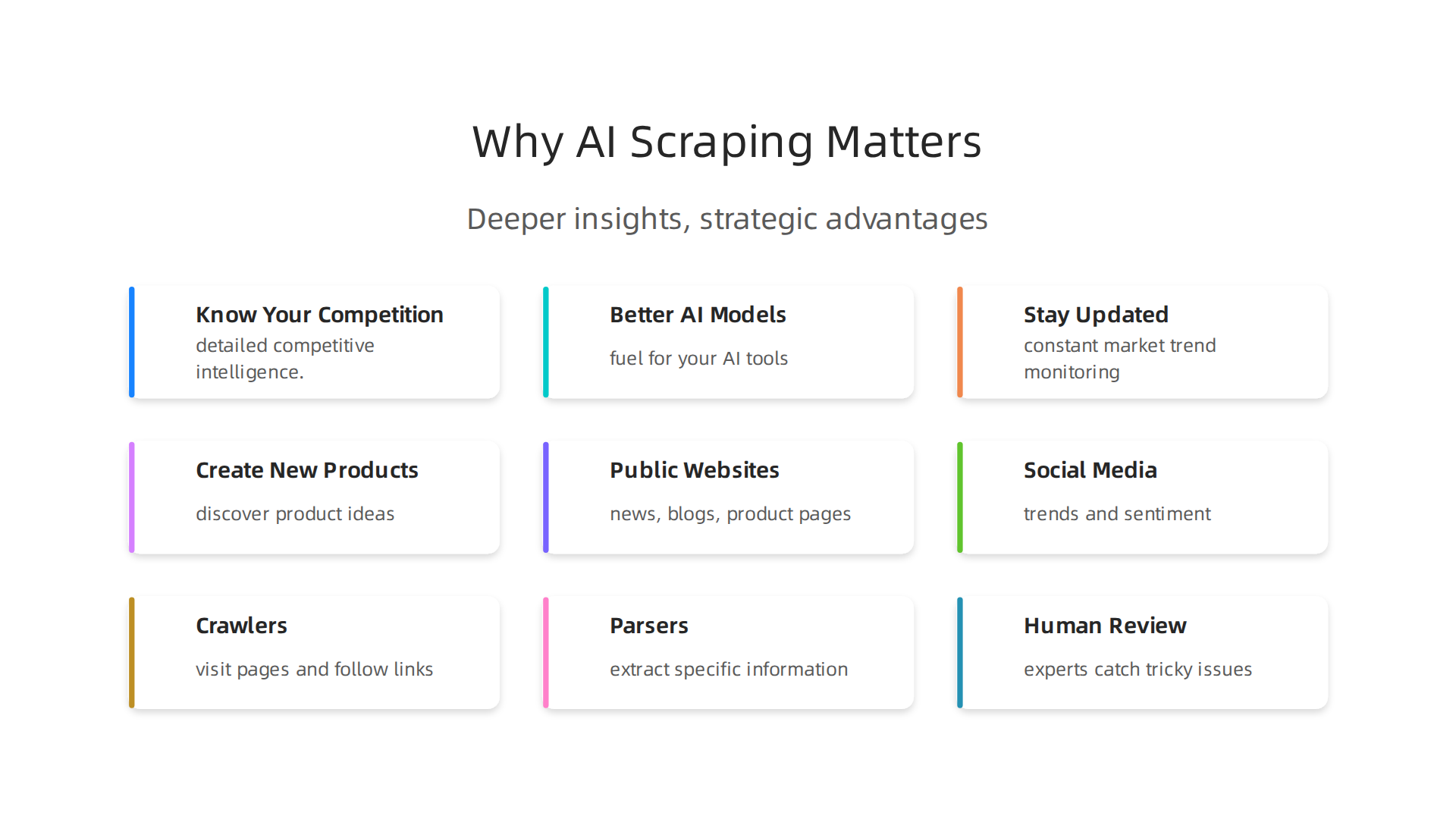
- Know Your Competition: With
deepsearch AI, businesses can get very detailed competitive intelligence. You can learn what your rivals are doing, how they talk to customers, and what new products they are thinking about. This helps you stay one step ahead. - Better AI Models:
AI scrapingprovides the fuel for your own AI tools. By gathering diverse and real-world data, you can train your AI models to be more accurate and helpful. This is especially useful forai tools for small businessesthat want to use AI without having huge data teams. - Stay Updated: Businesses can use
AI scrapingfor constant monitoring. This means getting real-time updates on market trends, customer feelings, and important news that could affect your business. You get an up-to-the-minuteai reporton what’s happening. - Create New Products: By seeing what people are talking about and what problems they have online, businesses can find new ideas for products and services.
AI scrapinghelps spot these needs before anyone else.
In short, ai scraping is not just about getting data; it’s about getting smart data that helps you make better choices, build better AI, and grow your business. It’s truly changing how businesses gather and use information. To understand more about this big shift, check out how AI is transforming information technology.
AI scraping needs a lot of information to work its magic. Think of it like a smart chef needing all sorts of ingredients for a great meal. These ingredients, or data, come from many places. Knowing these sources helps businesses use AI scraping better.
Where AI Scraping Gets Its Data
Here are some common places where AI scraping tools, like those that use deepsearch AI, find information:
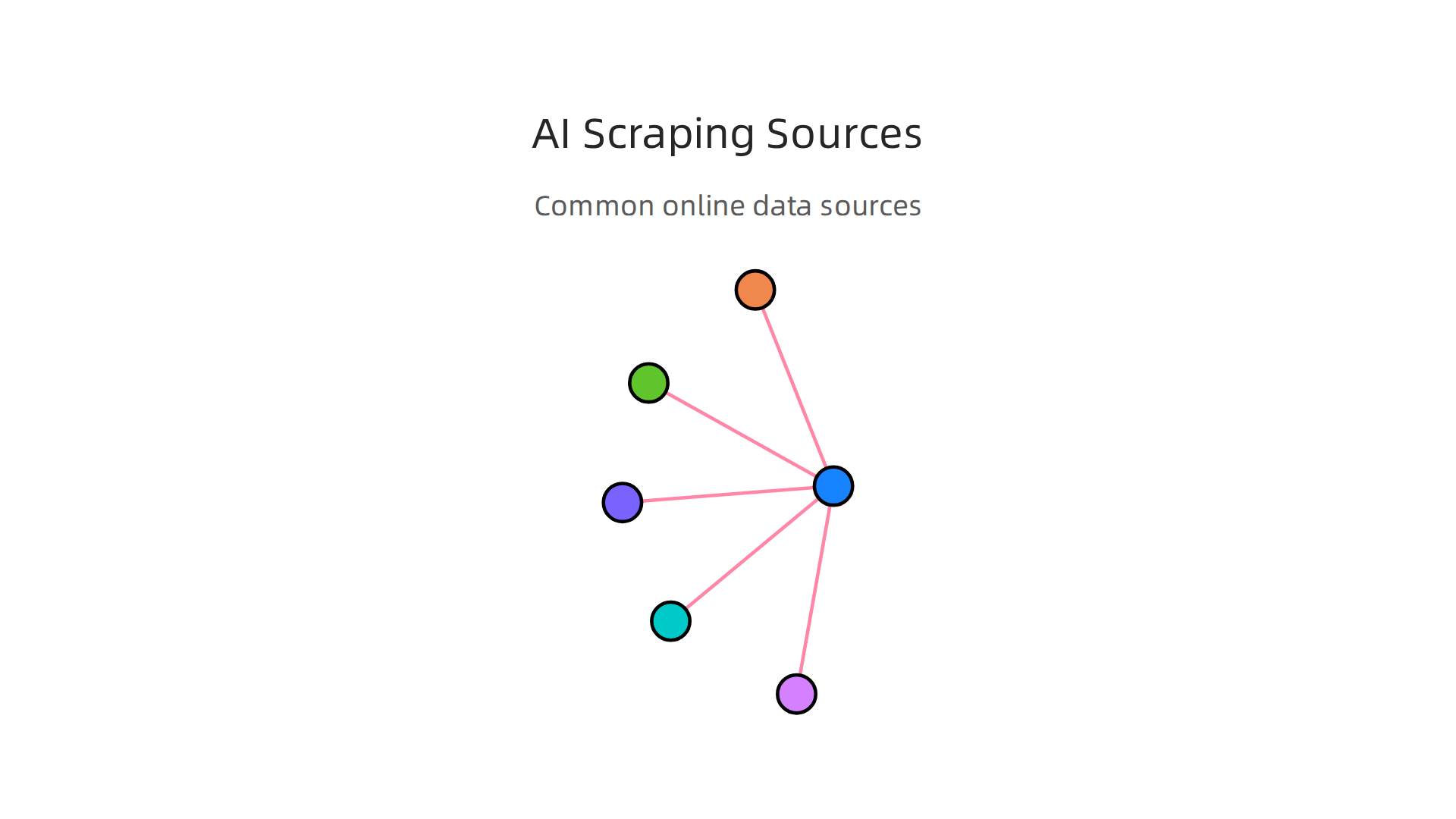
- Public Websites: This is the most common place. AI scraping can look at news articles, blog posts, product pages, and more. It helps businesses understand what customers are looking for or what new products are trending. Public datasets often include text, images, audio, and video, making them very useful for training AI models A Complete Guide to AI Training Data Sources and Tools.
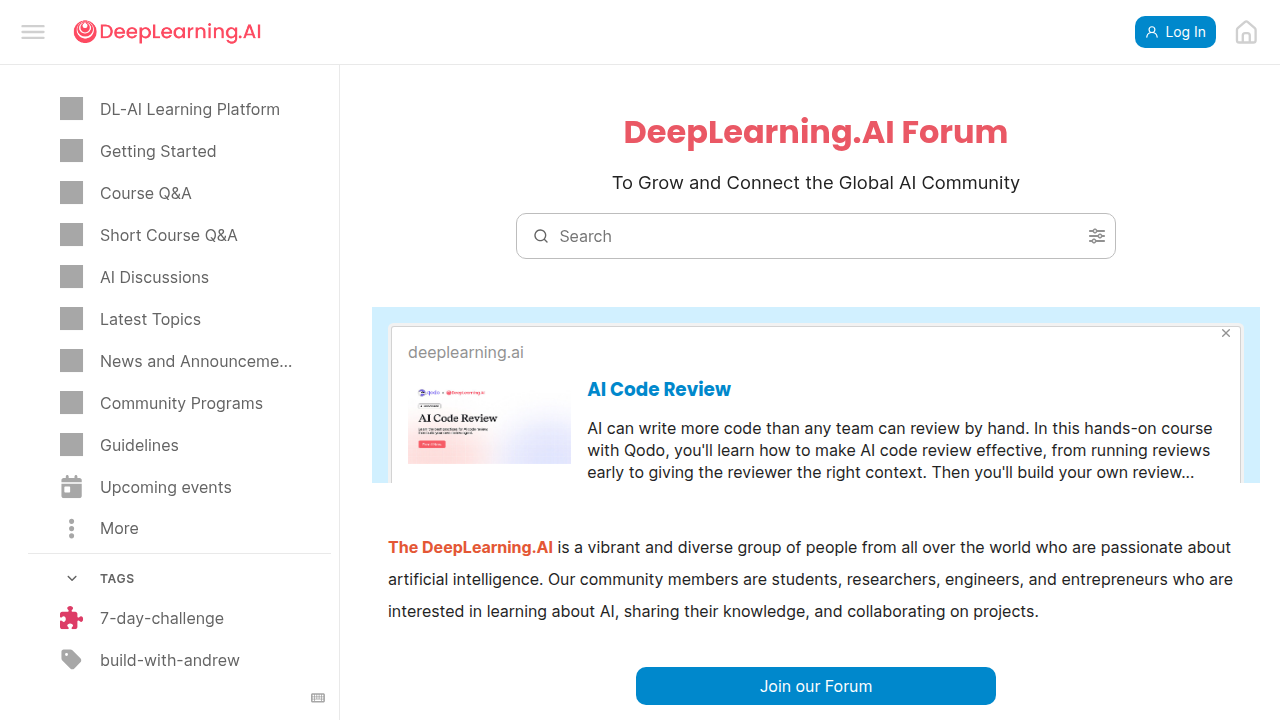
- Online Publications and Research: This includes online journals, reports, and academic papers. AI scraping can help gather the latest findings in a specific industry, which is great for staying smart about new tech.
- Forums and Review Sites: Places where people talk freely, like Reddit or product review sites, are full of real opinions.
AI scrapinghelps understand customer feelings, complaints, and ideas for improvements. - APIs (Application Programming Interfaces): Some websites and services offer special doorways called APIs. These let AI scraping tools get data directly in a structured way, like stock prices or weather info.
- Social Media: Platforms like X (formerly Twitter) or Facebook have a lot of public conversations. AI scraping can pick up on trends, how people feel about brands, and popular topics.
- Proprietary Data Feeds: These are special data streams that companies own or buy. They might include sales records, customer history, or other private business information that can be fed into an AI system. This type of data is usually more controlled and might not be "scraped" from the open web but rather integrated.
Different Kinds of Data
Not all data looks the same. There are two main types that ai scraping deals with:
- Structured Data: This kind of data is neat and tidy. It’s like information you’d find in a spreadsheet or a database, organized into rows and columns. Think of customer names, order numbers, or product prices. It’s easy for AI to read and understand because it follows clear rules.
- Unstructured Data: This is the messier, more common kind of data online. It includes text from emails, blog posts, social media updates, pictures, videos, and audio files. It doesn’t fit into neat tables. This is where
AI scrapingtruly shines, as it uses advanced AI to make sense of this varied information. In fact, unstructured data like raw text, images, and video makes up most of the real-world data out there All Data Types in Machine Learning – Unidata.pro.
For AI models, especially for ai tools for small businesses, understanding the difference is key. Structured data is often easier to use directly, but unstructured data provides a richer, more human-like understanding of the world. AI models use different methods to process each type. For example, text data from various sources can help models gain a broad understanding of language What datasets are used to train generative AI models?.
Collecting and sorting through all this data is a big job. It helps to have a clear understanding of the types of artificial intelligence to best use the scraped information. For businesses, this means being ready to store and analyze lots of different information to get the best ai report possible.
To stay on top of all the fast changes in AI and machine intelligence, consider getting insights delivered straight to you.
The AI Newsletter Worth Reading: Get clear daily AI updates from The Deep View Newsletter.
Collecting and sorting through vast amounts of data is indeed a big job. But as businesses look to use ai scraping for insights, it’s super important to also think about rules and fairness. There are many things to keep in mind so that AI tools are used in a good way.
Legal, ethical, and compliance considerations
When using ai scraping to gather information, especially with tools like deepsearch AI, companies must follow important rules.

These rules cover legal boundaries, ethical responsibilities, and how to make sure everything is done correctly.
Legal Rules for AI Scraping
Even though much web data is public, it doesn’t mean you can use it however you want. Here are some key legal areas:
- Website Rules (Terms of Service): Most websites have rules about how you can use their content. These are called Terms of Service, or ToS. If you ignore these rules, you might be breaking a contract, even if you just visit the site.
- Copyright Laws: Many things online, like articles, pictures, and videos, are protected by copyright. This means someone owns them, and you can’t just copy and use them for your own business without permission.
- Data Protection Laws: This is a big one. Laws like the General Data Protection Regulation (GDPR) in Europe are very strict about collecting personal information. Even if data is publicly visible, if it’s about a person, you might need their consent to collect it. In 2026, the European Data Protection Board (EDPB) has made it clear that GDPR applies fully when
ai scrapinginvolves personal data from EU residents, even for training AI models GDPR Applies to AI Training Data: EU Ends Web Scraping. The EU AI Act also started to bring new transparency rules for AI training data this year. Overall, web scraping public data is generally legal in the US and EU as of 2026, but you must respect privacy laws and website rules Is Web Scraping Legal? 7-Country 2026 Compliance Guide. - Other Laws: Depending on where you are and what data you collect, other laws might apply. It’s like how different countries have different road rules.
Being Fair and Responsible
Beyond just legal rules, there are ethical things to think about when using ai scraping:
- Privacy: Just because data is public doesn’t mean people want it collected and used by AI. It’s important to think about people’s feelings and privacy, especially when creating an
ai reportthat might touch on sensitive topics. - Bias: AI learns from the data it’s given. If the data scraped has unfair ideas or shows only one side of a story, the AI might learn these biases and show them in its answers. This can make the AI unfair too. It’s called "bias amplification."
- Responsible Use: Businesses using
ai tools for small businessesor larger AI systems should always think about how their scraped data and AI models might affect people. It’s about making sure AI helps and doesn’t hurt.
For any company working with AI, it’s key to build and use these tools with care and a clear set of values. Thinking about Humane Technology Principles for Ethical AI Governance can help guide these decisions. It ensures that while we enjoy the benefits of AI, we also protect people’s rights and well-being.
Now that we’ve talked about using AI in a fair and right way, let’s look at how we actually do ai scraping. This means the different ways we build the tools and set up the steps to gather information from the internet. It’s like choosing the right tools and building a smart factory for data.
Different Ways to Get Data with AI
There are a few main ways to tell your ai scraping tools how to collect information:
- Headless Browsers: Think of this as a web browser that works in the background without showing you the web page. It’s very good for websites that act more like apps, where you click buttons or fill out forms. A headless browser can pretend to be a real person using the site to get the data you need.
- APIs (Application Programming Interfaces): Sometimes, websites offer a special "back door" for other computer programs to ask for data directly. This is called an API. Using an API is often the easiest and best way to get data if a website offers one because it’s made for computers to talk to each other. When an API is available, it’s generally better than trying to "scrape" the visible web page Web Scraping for AI Agents in 2026.
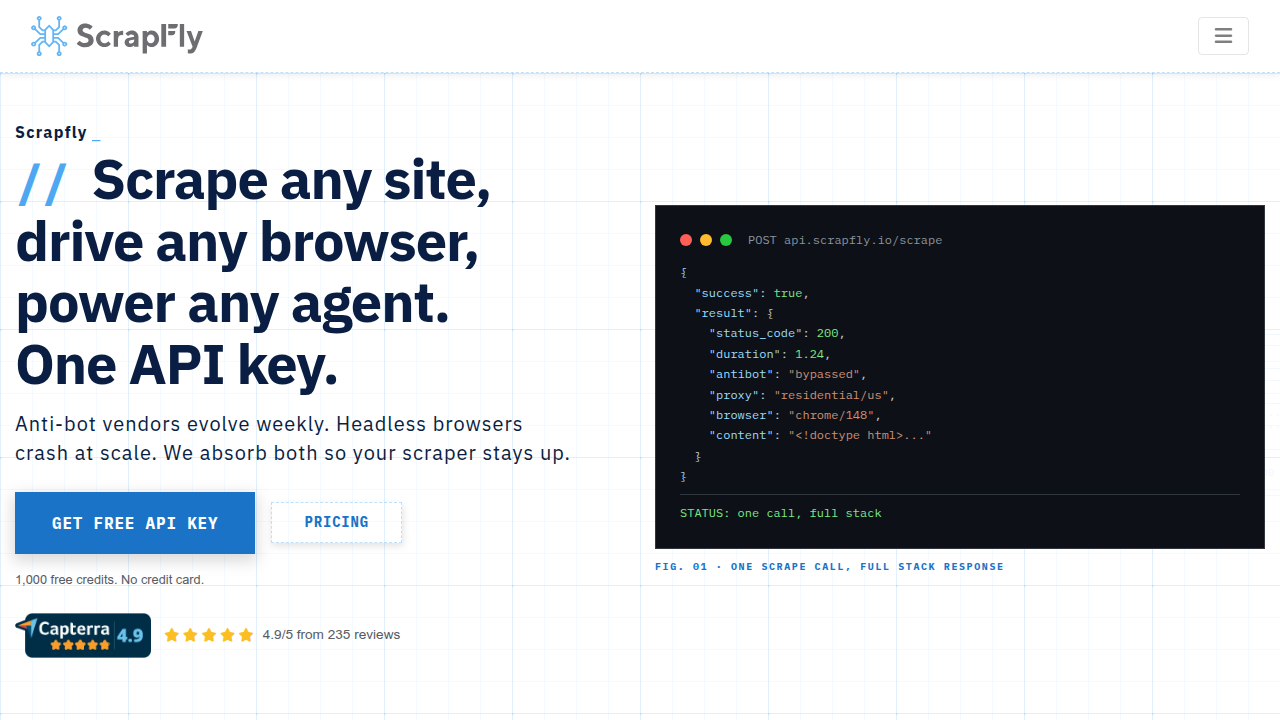
- Site-Specific Parsers: This is like creating a special map for each website. You write specific code that knows exactly where to find the data on that one website. This works well when a website’s layout stays the same, but if the site changes, your map becomes useless, and you have to make a new one.
- Semantic Extraction and LLM-Assisted Scraping: This is where
ai scrapinggets really smart. Instead of just looking for data in specific spots, AI tools that use Large Language Models (LLMs) can actually understand what the words and information on a page mean. You can tell the AI in plain language what data you’re looking for, and it will try to find it, even if the website’s layout changes. This is a big change in howai scrapingworks in 2026, making it much more flexible How AI Is Changing Web Scraping in 2026. Some advanced systems, likedeepsearch AI, use these methods to understand and get very specific information from complex pages.
How an AI Scraping System Works
Building a full ai scraping system is like building a pipeline that moves data from the internet to where you can use it. Here are the main parts of this pipeline:
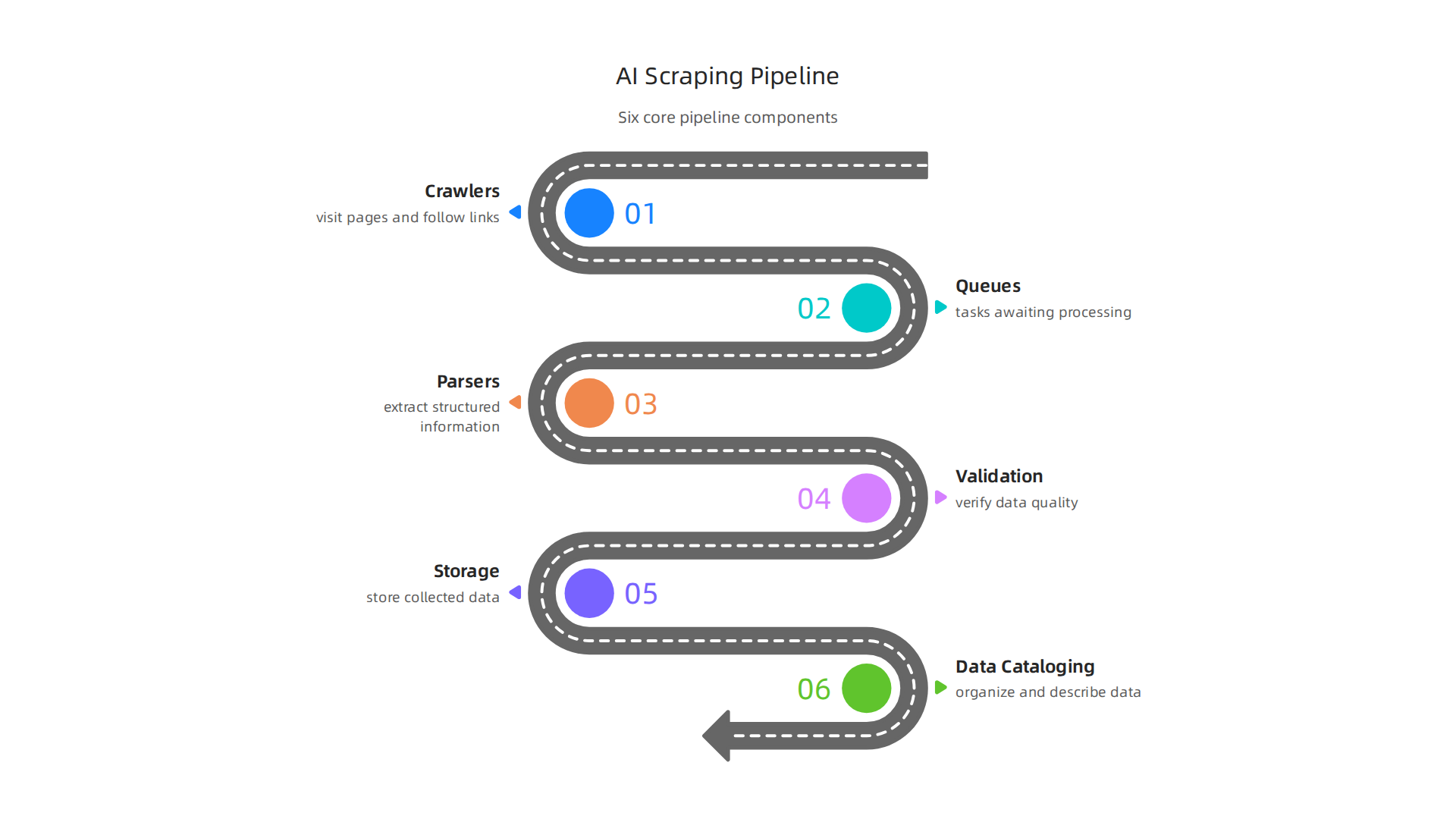
- Crawlers (The Collectors): These are programs that go out and visit web pages. They follow links, much like you browse the internet, but they do it very fast and automatically.
- Queues (The Waiting Line): As crawlers find more pages to visit or more data to process, these tasks get put into a "queue." This is like a waiting list that makes sure everything gets handled in order, without overwhelming the system.
- Parsers (The Data Grabbers): Once a page is "visited," parsers jump in. These are the tools (like the headless browsers, APIs, or AI models we talked about) that actually pull out the specific pieces of information you want.
- Validation (The Quality Check): After getting the data, it’s important to check if it’s correct and complete. This step makes sure you’re not collecting junk or wrong information.
- Storage (The Filing Cabinet): The clean, good data is then stored in a database or other storage system. This is where it waits to be used for things like creating an
ai report. - Data Cataloging (The Organizer): Finally, all this collected data needs to be organized and described. This step helps you and other
ai tools for small businessesor larger systems easily find, understand, and use the data later. It makes sure you know what data you have, where it came from, and what it’s for.
These different parts work together to make sure that ai scraping is powerful, organized, and reliable. Understanding these parts can help you choose the right AI platforms for business growth in 2026.
To stay on top of all the exciting changes in AI and technology, make sure you’re getting the best insights.
The AI Newsletter Worth Reading
Data from ai scraping is only useful if it’s good data. It’s like baking a cake; if you use bad ingredients, the cake won’t taste good, no matter how skilled the baker. For AI, bad data can lead to wrong answers or poor decisions. That’s why making sure the collected data is high quality, well-labeled, and properly checked is super important.
How to Make Sure Your AI Data is Good
To make sure your AI models learn from the best information, you need to focus on a few key things:
- Label Quality: This means the data is tagged or "labeled" correctly. Imagine labeling pictures of cats and dogs; you want to make sure every cat picture is truly labeled "cat." High quality means the labels are accurate, consistent, and cover everything important Data Labeling Quality Guide 2026. If your
deepsearch AIsystem is pulling out facts, those facts must be correct. - Representativeness: The data you collect should be like a good picture of the real world. If you’re building an AI to understand all types of news, your
ai scrapingshouldn’t just collect sports news. It needs a mix that shows all different kinds of news. This helps the AI work well in many different situations. - Annotation Consistency: Sometimes, real people have to help label data, especially for complex tasks. If you have several people doing this, they need to follow the same rules so their labels are consistent. Tools often use "gold standards" or expert-reviewed guidelines to make sure everyone is on the same page. When different people label the same things, we can measure how much they agree using special tools like Cohen’s Kappa or Fleiss’ Kappa Data Annotation Trends 2026. This ensures the training data is reliable.
Steps to Check and Fix Your Data
Even with the best ai scraping tools, you need to check the data regularly. Think of it as having different checks along the assembly line:
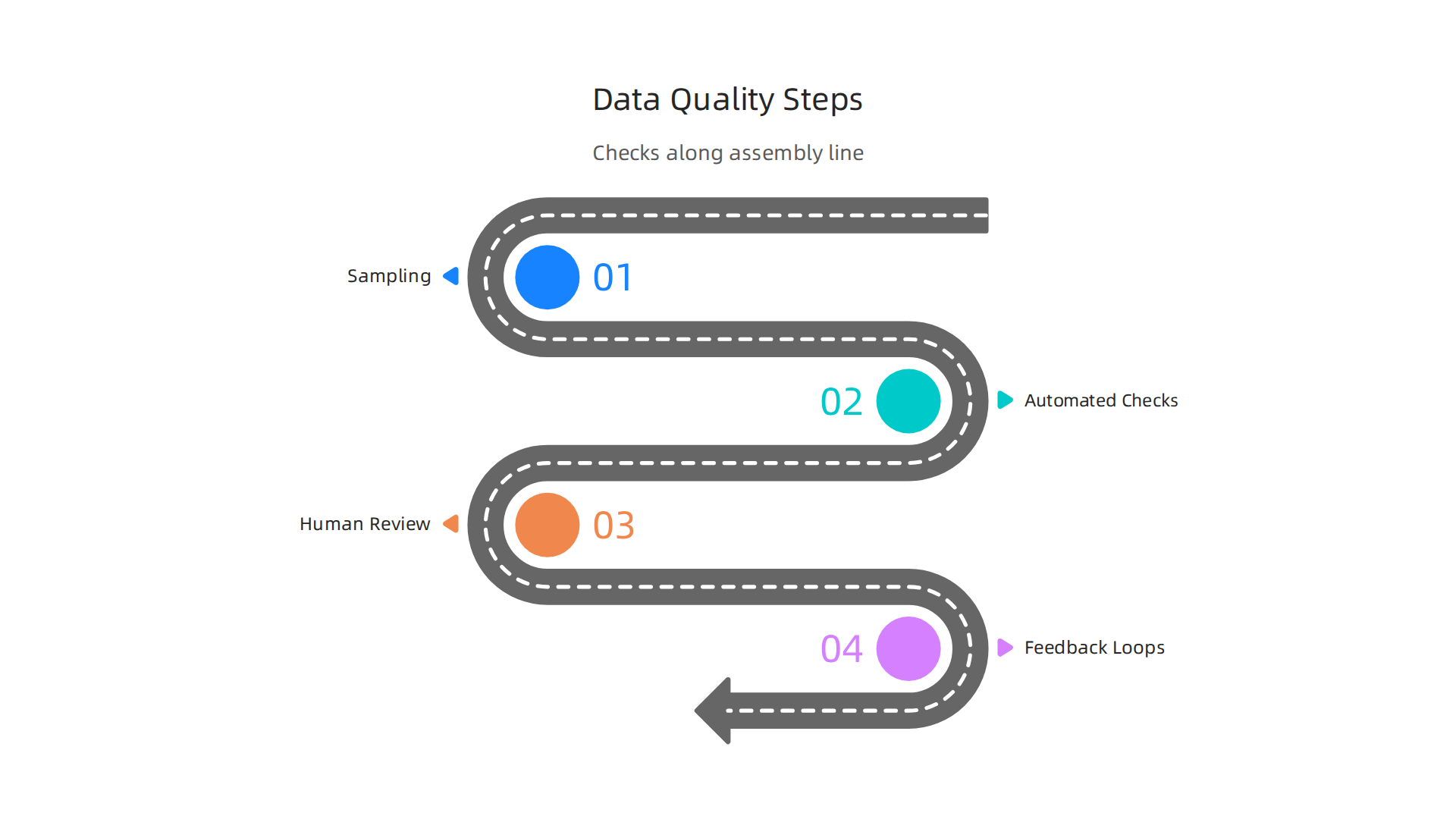
- Sampling (Quick Look): You can’t check every single piece of data if you have millions. So, you take a small, random sample and check it carefully. This gives you a good idea of the overall quality. It’s like tasting a spoonful of soup to know if it needs more salt.
- Automated Checks (Robot Helpers): Computers can look for simple errors very fast. For example, they can check if numbers are in the right format or if certain fields are empty. These checks catch common mistakes without needing a person to look at everything.
- Human Review (Expert Eyes): For harder problems, you need people. Human reviewers can spot tricky errors or understand context that a computer might miss. This is especially important for things like sentiment analysis or complex language understanding. Having "gold tasks" where experts label data first helps train and check other labelers How to Assess Human Data Labelers.
- Feedback Loops (Learning and Improving): When you find mistakes, don’t just fix them. Use what you learned to make your
ai scrapingprocess better. Maybe your parsers need updating, or your labeling rules need to be clearer. This helps stop the same mistakes from happening again. This constant learning and improvement is key to mastering how AI learns for strategic business advantage.
By following these steps, you make sure the data gathered for your ai report is top-notch, leading to better and more trustworthy AI systems. This also helps you build ethical and transparent AI for humans.
When you’re happy with the quality of your AI data, the next big step is making sure your ai scraping systems can work smoothly and handle a lot of information. This is called "scaling for production." It means building pipelines and infrastructure that can collect data reliably, day after day, without breaking down or costing too much.
Scaling up an ai scraping project comes with its own set of challenges, like dealing with rate limits, making sure you don’t scrape the same thing twice, and keeping costs in check.
Handling Lots of Data and Staying Undetected
Imagine a website as a house. If you knock on the door too many times too fast, the owner might get annoyed and stop answering. Websites work similarly with "rate limits" and "anti-bot" systems that try to block ai scraping tools. To handle this, you need smart tricks:
- Rate Limits: This means being polite and not asking for too much data too quickly from one place. Your system should have built-in delays and smart timing.
- Distributed Scraping: Instead of one computer doing all the work, you use many computers (called "workers") across different locations. This helps spread out the requests and makes it harder for websites to block you. It also lets you collect data much faster. Think of it like many people collecting different parts of a big puzzle at the same time How to Scrape Websites at Scale in 2026.
- Proxy Rotation: This is like giving your workers different masks or addresses (IP addresses) so they don’t all look the same to the website. Using a mix of proxy types is common in 2026 to stay hidden Best Practices for Scaling Web Scraping.
Keeping Data Clean and Costs Low
When you’re scraping a lot, it’s easy to collect duplicate information or waste resources.
- Deduplication: You need ways to check if you’ve already collected a piece of information so you don’t store it twice. This saves space and makes your data cleaner. Tools that use queues for scraping tasks often have ways to deduplicate jobs.
- Cost Control: Scraping can get expensive, especially with all the tools, proxies, and storage needed. You can save money by only collecting the information you truly need and blocking things like images or ads that just take up bandwidth How to Reduce Costs for Large Scale Web Scraping in 2026.
Choosing the Right Tools and Setup
The way you set up your deepsearch AI and scraping systems is very important.
- Crawler Choices:
- Serverless Crawlers: These are like temporary workers that show up, do a job, and disappear. You only pay for the time they are actually working, which can be great for saving money if your scraping isn’t constant.
- Containerized Crawlers: These are like having a consistent team of workers in their own little boxes (containers). They are good for complex, ongoing tasks and offer more control. They can be scaled horizontally by adding more workers when needed Building Scalable Web Scraping Infrastructure.
- Data Storage:
- Data Lakes: These are like huge storage areas where you can dump all your raw, unprocessed data. They are flexible and good for large amounts of different kinds of data.
- Data Warehouses: These are more organized storage systems, where data is cleaned and structured for specific types of analysis.
- Orchestration Tools: These are like project managers that make sure all parts of your
ai scrapingprocess work together. They schedule tasks, manage queues of URLs to scrape, and handle what happens if something goes wrong. Popular tools like Airflow or Celery help keep everything running smoothly, especially for large-scale operations. This ensures that yourai reportis built on a solid foundation.
Building a strong setup for ai tools for small businesses or larger companies means thinking about all these parts.

It makes sure your AI gets the steady stream of good data it needs to work its best.
To keep up with the latest trends and tools in AI, from scraping to deployment, you’ll find helpful insights in our daily newsletter.
Ready to get smarter about AI? The AI Newsletter Worth Reading can help you stay informed every day.
Once your AI systems are ready to gather lots of good data, the next step is figuring out how to use that data to make smart business choices.

This is where ai scraping really shines for people who make big decisions. It’s not just about collecting information; it’s about turning that information into a clear ai report that helps you lead your company better.
Here are some important ways businesses use ai scraping right now in 2026:
Watching What Competitors Do
Imagine knowing exactly what your competitors are up to. With ai scraping, companies can gather public information from competitor websites, news articles, and social media. This helps you understand their new products, marketing plans, and customer reviews. For example, you can see if a competitor lowers their prices or launches a new service. This kind of information is key for staying ahead in the market.
Getting Smart About Pricing
Pricing is a huge part of any business. AI scraping can collect prices from many online stores for similar products. This is called "pricing intelligence." You can then use this data to set your own prices in a way that attracts more customers or makes more money. It helps you see how your prices compare to others and find the best spots to make changes. Understanding the costs involved in setting up such systems can be important for decision-makers How Much Does Web Scraping Cost? Complete 2026 Pricing Guide.
Making AI Models Even Better
Artificial intelligence models need lots of data to learn and improve. Sometimes, the data you have isn’t enough. AI scraping can help by getting more information from the internet, which is like giving your AI more books to read. This is called "dataset augmentation." The extra data helps your AI become more accurate and helpful. For instance, if you have an AI that helps customers, more data about common questions can make it much smarter.
Checking How AI Models Are Working
After you build an AI model, you need to make sure it’s working as expected. This is called "model observability." Deepsearch AI tools can use new, scraped data to test your AI models over time. If the data your AI sees in the real world changes, the deepsearch AI can alert you if your model isn’t performing well anymore. This helps you fix problems quickly and keep your AI reliable. For businesses, especially ai tools for small businesses, this ensures their AI investments continue to pay off.
Picking What to Focus On
For decision-makers, it’s important to choose the right ai scraping projects.
- Quick Wins: Start with projects that can bring fast results, like tracking a few key competitor prices or collecting data for a specific, small marketing campaign. These quick wins help show the value of
ai scrapingwithout a huge upfront effort. - Long-Term Platform Plays: Once you see the benefits, you can plan for bigger projects. This might involve building a full system for ongoing market analysis or setting up complex data pipelines that feed many different AI models. These are bigger investments but can lead to long-lasting advantages. For a deeper look at how AI helps businesses grow, check out our guide on How Strategic AI Adoption Drives Business Growth in 2026.
Measuring Success (Key Performance Indicators)
To know if your ai scraping efforts are working, you need to track important numbers. These are called Key Performance Indicators, or KPIs.
- Data Quality: Is the scraped data clean, accurate, and exactly what you need?
- Cost Efficiency: Are you getting the data you need without spending too much money? There are ways to reduce costs, like focusing on specific data points and blocking unnecessary content Web Scraping Cost at Scale: How to Reduce Large-Scale Data Collection Costs.
- Decision Impact: Are the insights from your
ai reporthelping you make better decisions that improve sales, save money, or make customers happier?
By looking at these numbers, decision-makers can make sure their investment in ai scraping is truly helping their business grow and adapt in 2026.
Summary
This article explains AI scraping—an advanced form of web data collection that uses artificial intelligence to extract, interpret, and organize diverse online content for business use. It covers how AI scraping differs from traditional scraping, the main data sources (websites, APIs, social media, proprietary feeds), and the difference between structured and unstructured data. The guide walks through the technical pipeline (crawlers, queues, parsers, validation, storage, cataloging), practical scaling tactics (proxy rotation, distributed workers, deduplication), and quality controls (sampling, automated checks, human review, annotation consistency). It also summarizes legal and ethical constraints—like honoring site terms, copyright, and GDPR—and shows concrete business applications such as competitor monitoring, pricing intelligence, dataset augmentation, and model observability. Readers will finish with a clear checklist for building or buying AI scraping capability, ways to keep costs and risk under control, and metrics to measure impact.