
Why digital twin technology matters now — problems it solves and what this guide delivers
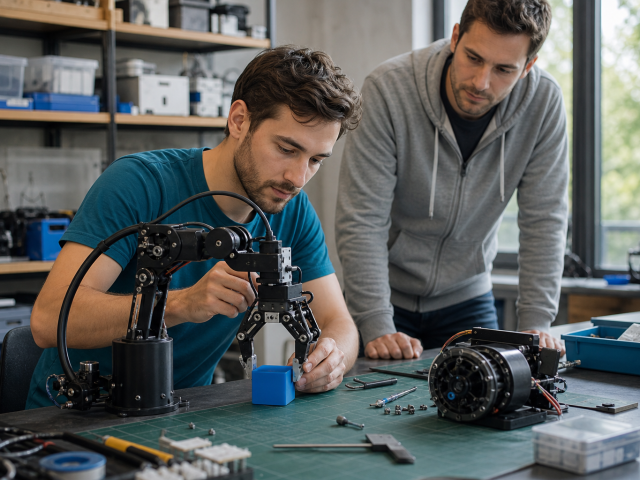
Imagine having a perfect digital copy of something real. This could be a factory machine, a whole building, or even a city. This is what we call digital twin technology. It creates a virtual model that acts just like its real-world twin. This virtual twin gets updated all the time with data from the real one, so it always knows what’s happening. Experts agree that a digital twin is a living, virtual picture of something physical that keeps itself updated with real-time information to help you make decisions, as noted in the Digital Twins Workshops Summary Report.
In 2026, this technology is super important for companies that build things with AI, for investors looking for smart opportunities, and for people who run businesses every day. It’s a huge step in applied innovation, letting businesses test ideas and solve problems in a safe, virtual space before doing them in the real world.

This helps them save money and time. It’s a key part of the modern AI world because it allows for smart analysis and predictions.
However, using digital twin technology isn’t always easy. Some challenges include making sure the digital copy gets all the right data, making it look and act exactly like the real thing (called fidelity), making it work for bigger and bigger projects (scalability), and knowing if the money you put into it is truly worth it (ROI measurement). Think about something like invisible AI working behind the scenes to keep the digital twin updated; it needs to be flawless.
This guide is here to help you understand all about digital twins. We will show you the basic ideas, how they are built, and cool ways different industries are using them right now. You’ll also learn the best ways to put them into practice, what dangers to watch out for, and what the future holds for this exciting technology. Understanding how AI is transforming information technology is key to grasping the full power of digital twins.
To stay ahead of the curve in the fast-moving AI landscape, consider subscribing to The AI Newsletter Worth Reading. Get clear daily AI updates from The Deep View Newsletter.
Now that we know what digital twin technology is and why it’s so important in 2026, let’s look closer at its different forms. Just like there are many kinds of machines or systems in the real world, there are also many kinds of digital twins. Understanding these types helps us see how they fit into the bigger picture of AI world systems.
Types of Digital Twins
Experts have created different ways to sort digital twins, often based on what they represent and how detailed they are. A widely accepted way to look at them is through a taxonomy that categorizes them by their scope and purpose, as outlined in a taxonomy of digital twins research paper. Here are the main types:
- Component Twin: This is the smallest kind of digital twin. It focuses on just one part of a larger system. Think of a single engine part in a car or one sensor in a factory. It gives detailed information about that one piece.
- Asset Twin: This twin represents a complete, standalone item. For example, a whole engine, a specific machine in a factory, or a single wind turbine. It combines all the component twins related to that asset to give a full picture of its health and performance.
- System Twin: When you put many asset twins together, you get a system twin. This could be an entire factory line, a fleet of delivery trucks, or a whole building’s heating and cooling system. It shows how all the individual assets work together.
- Process Twin: This type goes beyond just physical objects. It models a whole process or workflow. Imagine tracking every step in a manufacturing process from start to finish, or how customers move through a store. It helps improve efficiency and find bottlenecks.
- Twin-of-Twin: This is a more advanced idea where digital twins of different systems are linked together. For example, a digital twin of a city’s traffic system might connect with digital twins of public transport to optimize travel times for everyone. It shows how even complex, connected systems can have their own digital copies.
The "fidelity" of a digital twin refers to how accurately and completely it mirrors its real-world counterpart. A high-fidelity twin is very detailed and precise, almost like a perfect copy, while a low-fidelity twin might only track basic information. The right level of fidelity depends on what you need the twin for.
Digital Twins and the AI Stack
Digital twins don’t just sit alone; they are a vital part of the AI world. They act as a bridge between the physical world and the digital tools that analyze and optimize it. Here’s how they fit into modern AI systems:
- Real-Time Data Pipelines: Digital twins constantly collect data from their physical counterparts using sensors. This stream of information feeds directly into AI systems, giving them up-to-the-minute details about what’s happening.
- AI Model Integration: This real-time data is then used by various AI models. For instance, machine learning algorithms can look at the twin’s data to predict when a machine might break down, or to suggest ways to make a process run smoother. This is where invisible AI often works behind the scenes, processing vast amounts of data without direct human input.
- Simulation and Testing: Before making changes in the real world, businesses can use the digital twin to run simulations. This lets them test new ideas, try out different scenarios, and see possible outcomes without any risk. This kind of computer simulation technology is a huge part of how digital twins enable applied innovation.
- Decision Support: By bringing together real-time data, AI predictions, and simulation results, digital twins help people make smarter decisions. Whether it’s optimizing energy use in a building or planning maintenance for industrial equipment, the twin provides the insights needed to act confidently.
In essence, digital twin technology acts as a dynamic testing ground and an intelligent monitor for the physical world, all powered and enhanced by artificial intelligence.
To truly understand how digital twin technology powers the AI world, we need to peek under the hood at its architecture. Think of it like a smart building. You see the outside, but to know how it works, you need to see its pipes, wires, and control room. Digital twins are similar; they rely on several key technical layers working together.
Experts agree that a digital twin system is not just one thing, but many parts connected. For example, some look at it as having six main layers, starting from the physical object itself to the ways we use the data collected from it Digital Twin: The 2026 Architecture Guide for Industrial. Let’s break down these core parts.
Core Technical Layers of a Digital Twin
- Data Ingestion (IoT/Telemetry): This is the "eyes and ears" of the digital twin. It’s how real-world data gets collected. Small sensors on physical objects (like machines, engines, or even people) constantly gather information. This information, called telemetry, includes things like temperature, pressure, speed, or how much power is being used. This continuous flow of data is crucial for keeping the twin up-to-date. In fact, many systems use an IoT sensor layer to collect real-time data from devices Hybrid digital twin-driven anomaly detection in IoT.
- Time-Series Stores: Once the data is collected, it needs a place to live. A time-series store is a special kind of database that’s really good at saving data that changes over time. Imagine a graph that tracks temperature every second; this database stores all those points in order. This way, the digital twin always has a history of its physical counterpart, not just its current state. The data layer stores live readings and historical information Digital Twin Architecture: The Database Guide.
- Simulation Engines: This is where the "what if" scenarios happen. A simulation engine uses the twin’s data and models to predict what might happen in the future. You can test new ideas or fix problems in the virtual world without touching the real one. This allows for powerful applied innovation by trying out many different outcomes safely.
- Machine Learning (ML) & Analytics: This is where the invisible AI magic happens. AI models look at all the collected data from the digital twin. They can spot patterns, predict when a machine might break down, or suggest the best way to operate something for better efficiency. These AI tools learn from the data to make the digital twin even smarter. Many systems integrate real-time data with machine learning to process information Web-Based AI-Driven Digital Twin for Real-Time System. This helps in making sense of huge amounts of data, just one of the many types of artificial intelligence that enhance these systems.
- Visualization & API Surfaces: This is how people see and interact with the digital twin. Visualization tools create easy-to-understand dashboards, 3D models, and charts that show the twin’s current state and predictions. API surfaces are like special doors that let other software programs connect to the digital twin, allowing it to share information and work with other systems.
How AI and Digital Twins Work Together
Digital twins and AI are a powerful team. Here’s how they integrate:
- Model-in-the-Loop: In some advanced systems, the AI model is directly "in the loop." This means the AI makes decisions and sends commands back to the physical system based on what it learns from the digital twin. For example, an AI could automatically adjust a factory robot’s speed through its digital twin to improve output.
- Model-on-the-Side: Often, the AI works "on the side." It analyzes the digital twin’s data and offers recommendations or alerts to human operators. The humans then make the final decisions and take action. This approach keeps a human in control while still benefiting from AI insights.
- Synchronization Strategies: Keeping the physical world and its digital twin perfectly in sync is super important. This means making sure data flows quickly and accurately. Different ways exist to do this, like updating the twin constantly or only when certain events happen.
- Latency Trade-offs: Latency is the small delay between when something happens in the real world and when the digital twin reflects it. For some twins, a small delay is okay. For others, like those controlling fast-moving machines, even a tiny delay can be a big problem. Designing the architecture means finding the right balance between speed and cost.
Understanding these technical parts helps us appreciate the depth and potential of digital twin technology in our AI world in 2026. This setup allows for continuous monitoring, smart predictions, and better control over complex real-world systems.
If you’re eager to stay on top of daily insights in the fast-moving AI and technology landscape, there’s a valuable resource available. The AI Newsletter Worth Reading provides clear, daily AI updates from The Deep View Newsletter.
Now that we understand the inner workings and technical parts of digital twin technology, let’s look at where it truly shines. In 2026, these virtual copies are transforming many important industries. They bring huge value by allowing businesses to make smarter choices, fix problems faster, and even create new things without risk.
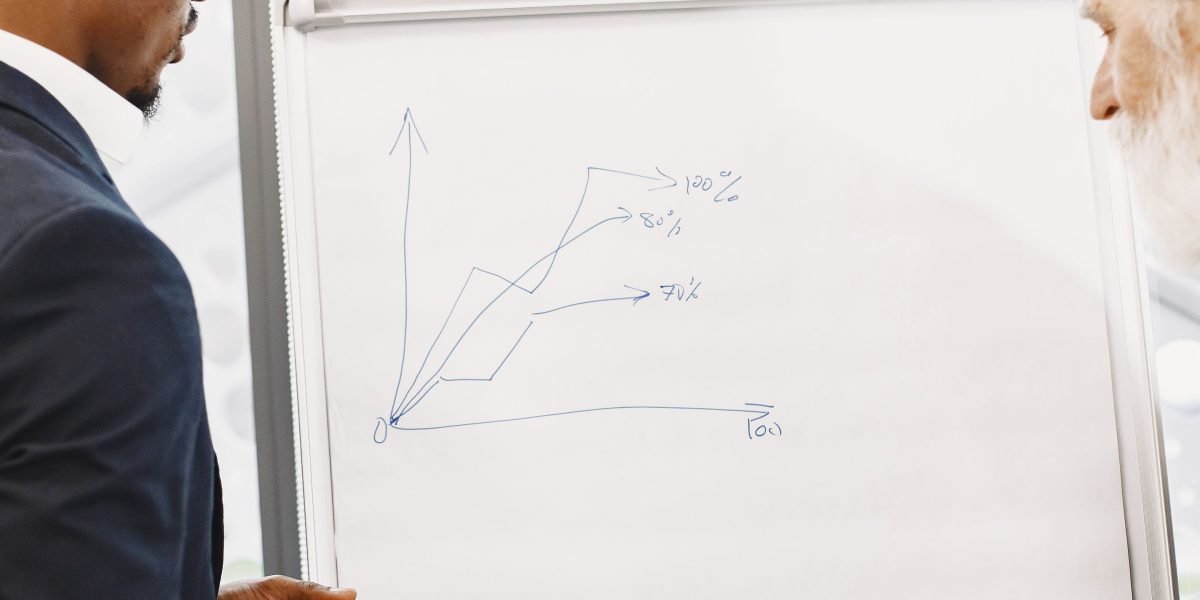
This is a clear example of applied innovation making a real difference in the AI world.
High-impact use cases by industry: manufacturing, energy, healthcare, and smart cities
Digital twins are not just a cool idea; they are being used right now to solve complex problems across many fields.
Manufacturing
In factories, digital twins are like having a perfect, always-on helper.
- Predictive Maintenance: Machines often break down unexpectedly. A digital twin constantly monitors a real machine. It collects data on how the machine is working. If it spots tiny changes that point to a problem, the twin can warn operators before a major breakdown happens. This saves a lot of money and keeps production running smoothly. Companies can see 20-40% less unplanned downtime thanks to this technology, with good systems paying for themselves in 12-24 months AI Digital Twins in 2026: Enterprise Use Cases and ROI.
- Throughput Optimization: Digital twins also help factories make more products faster. They can simulate different ways to set up machines or organize work. This helps find the best way to do things before making changes in the real factory. One study showed that using digital twins in manufacturing can lead to a 36% reduction in maintenance costs and a 25% improvement in how much time assets are actually working Digital Twins in Manufacturing: Benefits, Use Cases, and ROI.
Energy
The energy sector uses digital twins to manage complex power grids and renewable energy sources.
- Grid Optimization: A digital twin of an entire power grid can show how electricity flows. It helps manage energy supply and demand, especially with solar and wind power which can change a lot. The twin can predict problems and suggest the best ways to keep power flowing to homes and businesses without interruption.
- Renewable Energy Management: For wind farms or solar plants, digital twins can simulate the best angle for panels or blades based on weather patterns. This maximizes how much clean energy they produce.
Healthcare
In healthcare, digital twins are helping both patients and hospital operations.
- Patient Simulations: Doctors can create a digital twin of a patient’s organ or even a whole body (a "human digital twin"). This allows them to test different treatments or surgeries in a virtual space before trying them on the real patient. It makes procedures safer and more effective.
- Asset Tracking: Hospitals have tons of equipment. Digital twins can track these assets in real-time, showing where every piece of equipment is and if it needs maintenance. This makes sure important tools are always available and working.
Smart Cities
Imagine a city that can run itself more smoothly. That’s the promise of digital twins in urban areas.
- Traffic Management: A digital twin of a city’s road network can simulate traffic patterns. It can then change traffic light timings or suggest new routes to ease congestion, making daily commutes better for everyone. This kind of technology helps with invisible ai that improves daily life.
- Urban Planning: City planners use digital twins to test how new buildings, parks, or transportation systems might affect the city before they are built. This helps avoid mistakes and create better living spaces. Digital twins are seen as playing a truly transformative role in smart city development A comprehensive review of Digital Twin technologies in smart cities. This relies heavily on Invisible Navigational Technologies to gather the data needed.
Prioritizing Use Cases
When deciding where to use digital twin technology, companies need to think about a few things:
- Data Availability: Do we have enough good data from the real-world object to build a useful twin? Without solid data, the twin won’t be very accurate.
- Measurable KPIs: Can we clearly measure how much the digital twin helps? We want to see real improvements, like money saved or time gained. One way to do this is by looking at a "Use Case Impact Score," which helps figure out how important the need is and how well the twin can address it Methodology for Digital Twin Use Cases.
- Regulatory Environment: Are there any laws or rules that affect how we can use the twin, especially with sensitive data like in healthcare?
- Integration Complexity: How hard will it be to connect the digital twin with our existing systems? Sometimes, making everything work together can be a big job.
By carefully picking where to use them, businesses can get the most out of digital twin technology and drive real progress in our modern AI world.
Now that we’ve seen the many ways digital twin technology can help different industries, the big question is: how do you set them up correctly? Making a digital twin work well needs careful planning. This means thinking about everything from the data you use to how you manage the twin day-to-day. It is a true test of applied innovation in the AI world.
Implementation best practices: data strategy, model validation, and deployment pipelines
Bringing a digital twin to life in your business means following a clear roadmap. You want to make sure your virtual copy is accurate, useful, and keeps working smoothly over time.
Practical Checklist for Pilots and Scaling
When you start using digital twins, whether for a small test or a large project, some key steps are important:
- Data Quality: A digital twin is only as good as the information it gets. It needs real-time data from sensors and other sources to mirror the physical object correctly. Poor data means a poor twin. Think of it like a brain: if it gets bad information, it makes bad decisions. The architecture for a digital twin usually includes a data layer that stores live sensor readings and past information, making sure everything stays in sync for good data Digital Twin Architecture: The Database Guide.
- Digital Twin Fidelity Baselines: "Fidelity" means how much the digital twin matches the real thing. You need to decide how accurate your twin needs to be. For some tasks, a basic twin is fine. For others, like testing a new engine part, it needs to be super accurate. You should set clear goals for how well your twin needs to reflect reality.
- ML (Machine Learning) Model Validation: Many digital twins use smart computer programs, called machine learning models, to make predictions or spot problems. These models need to be tested often to make sure they are still working correctly and giving good advice. This is a bit like checking if a student’s answers are correct before they take a big exam. Companies should consider how to effectively use and validate these models within their digital twin systems Towards the application of machine learning in digital twin.
- CI/CD for Models and Simulations: CI/CD stands for "Continuous Integration/Continuous Deployment." It’s a fancy way of saying you need a good system for updating and testing your digital twin models and simulations automatically. This helps fix problems quickly and add new features without breaking anything. A digital twin is designed to take in real-time sensor data, run simulations, and even send commands back to the real equipment, so smooth updates are key Digital Twin: The 2026 Architecture Guide for Industrial. This also involves layers for data collection and processing, making sure data is clean before it hits the simulation core Hybrid digital twin-driven anomaly detection in IoT.
Operational Considerations
Even with a perfect setup, a digital twin needs ongoing care.
- Governance: Who makes decisions about the digital twin? Who is responsible if something goes wrong? You need clear rules and roles for managing the twin. This includes making sure the digital twin fits into the company’s overall strategy, especially in the larger AI world. To create a strong foundation, businesses can learn more about how to design a global AI strategy for enterprise growth in 2026.
- Cross-Functional Teams: Digital twins touch many parts of a business. You’ll need people from different departments working together. This might include engineers, IT specialists, data scientists, and even business leaders.
- Observability: You need ways to "see" what your digital twin is doing at all times. This means having dashboards and alerts that show how well it’s working, if there are any issues, or if it’s getting good data. This helps identify issues, almost like an invisible ai working behind the scenes to keep things running.
- Feedback Loops from Real World to Twin: A digital twin is always learning. It should have ways to take new information from the real world and use it to become even better. This continuous learning makes the twin more accurate and valuable over time.
Successfully putting digital twin technology into practice requires a mix of good planning, smart tools, and teamwork.

It’s an ongoing journey that leads to smarter operations and better decisions.
The AI world is always changing, and keeping up can be tough. For clear daily AI updates and to stay ahead, consider subscribing to The AI Newsletter Worth Reading.
While digital twins offer many great benefits, as we’ve talked about, it’s also important to know about the possible problems. Setting up these advanced virtual models involves facing certain risks and thinking about what’s fair and legal. Just like any powerful tool in the AI world, digital twin technology comes with its own set of rules and challenges.
Risks, limitations, and ethical/regulatory considerations
Using digital twin technology is a powerful example of applied innovation, but it’s not without its drawbacks. We need to look closely at the potential risks, what these twins can’t do, and the moral and legal rules that guide them.
Data Privacy and Security Worries
One of the biggest concerns with digital twins is how they handle data. These systems gather a lot of information, often in real time, about physical objects and even people. This means there’s a risk of:
- Data leaks: If the digital twin system isn’t secure, private information could be stolen. This is a big problem, especially if the twin is tracking sensitive data like health records or factory secrets. The National Institute of Standards and Technology (NIST) has published important guidance on Security and Trust Considerations for Digital Twin Technology to help address these risks.
- Privacy issues: Digital twins can create very detailed virtual copies. For example, a "digital twin" of a person might track their habits or health. This brings up questions about who owns this data and how it’s used. Privacy rules, like those discussed in Realising the digital twin: a thematic review and analysis of the article, are key to protecting individuals.
Model Bias and Limits of the Twin
Digital twins often use smart computer programs, called AI models, to make sense of data and predict things. But these models can have problems:
- Bias: If the data used to train the AI model is unfair or incomplete, the digital twin can learn these biases. This means the twin might make unfair decisions or predictions. For instance, a twin used in hiring might show favoritism if it was trained on biased past hiring data. Learning about uncovering AI bias origins detection and fairness solutions can help businesses avoid this pitfall.
- Fidelity limits: Even the best digital twin can only be so accurate. It’s a copy, not the real thing. There might be small details or unexpected events in the real world that the twin can’t fully capture. This means we can’t always trust the twin to be 100% correct, especially in very complex situations.
Ethical and Legal Rules
Because digital twins are so powerful, there are growing rules about how they should be used:
- Regulations: Governments around the world are creating new rules for AI and data. For example, the Information Commissioner’s Office (ICO) provides Guidance on AI and data protection in the UK. Singapore has also introduced guidelines for using personal data in AI, as mentioned in New AI and data governance initiatives introduced at. These rules help make sure companies use digital twins in a responsible way.
- Compliance across sectors: Different industries have different rules. A digital twin for healthcare will have much stricter privacy rules than one for a factory. Companies need to make sure their digital twin setup follows all the specific laws for their field. This is part of building trust, as highlighted in the article Ethical and Regulations for Digital Twins: Building Trust in Virtual Worlds.
- Ethical guidelines: Beyond strict laws, there are also ethical questions. How much control should a digital twin have over real-world operations? How do we ensure these systems benefit everyone and don’t harm people? It’s important to think about humane technology principles for ethical AI governance when designing and using these tools.
Managing these risks means being careful about how data is handled, making sure AI models are fair, and staying up-to-date with new laws and ethical guidelines. It’s a continuous effort to ensure that digital twin technology serves us well and safely.
After understanding the great things digital twins can do and the problems they might bring, the next step for any business is to figure out if the investment is truly worth it. This means looking at how much money you can save or make, which is called Return on Investment (ROI). For digital twin technology to be a smart move, companies need to see clear benefits.
Measuring ROI and the future outlook: investment signals, vendor landscape, and 2026–2030 trajectories
Making sense of how much value digital twin technology adds needs a clear plan. It’s not just about spending money, it’s about getting more back. Here’s how businesses can measure this and what the future holds for these smart copies.
How to Build an ROI Framework
To really understand the value of digital twins, you need a good framework. This means setting clear goals and watching how things change.
- Key Performance Indicators (KPIs): These are like scorecards for your business. For digital twins, good KPIs can include how much more efficient your operations become or how much costs drop. For example, some companies see "operational efficiency improvements of up to 15% and cost reductions ranging from 20-30%" by using process digital twins. Other uses show "20 to 30% reduction in unplanned shutdowns" and "10 to 25% reduction in maintenance costs" for industrial settings in 2026.
- Time Horizons: How quickly can you expect to see these benefits? Many digital twin projects offer quick returns. In fact, payback periods are often "typically under 18 months", with some case studies showing a project paying for itself in as little as "14 months".
- Cost Categories: When thinking about costs, remember it’s not just the initial setup. You’ll have expenses for data collection, keeping the system running, and ongoing updates.
- Incremental Value from Machine Learning (ML)-driven Optimization: This is where the magic of applied innovation happens. Digital twins use smart computer programs, often powered by machine learning, to constantly learn and get better. This "invisible AI" helps them find new ways to improve things over time, leading to more savings and better performance. Knowing how to use these tools strategically can greatly boost business growth, as explored in articles like how strategic AI adoption drives business growth in 2026.
Vendor and Tooling Landscape Considerations
The market for digital twin technology is growing fast, with many companies offering different tools and services. In the AI world of 2026, you’ll find big names and many smaller, specialized companies.
Major players like Siemens, General Electric (GE), Microsoft, IBM, PTC, and Dassault Systèmes are key providers of digital twin platforms and solutions. These companies offer a wide range of tools for different industries. The digital twin market continues to attract new money, with venture capital investments still flowing into companies in early 2026. If you’re an investor looking for opportunities in this space, keeping an eye on the leading companies is a smart move. You can learn more about key players and investment trends in resources like top 5 AI companies investors must watch in 2026.
2026–2030 Trajectories and Future Outlook
Looking ahead, the future for digital twin technology is bright. Experts predict the market will grow significantly. It is projected to increase from USD 10.9 billion in 2026 to USD 46.2 billion by 2033. This shows a strong growth rate, meaning more and more businesses will adopt this technology in the coming years.
We can expect digital twins to become even more common in manufacturing, smart cities, healthcare, and many other areas. As the technology gets better and easier to use, and as companies learn more about its benefits, we’ll see it used in new and exciting ways, helping businesses make smarter decisions and work more efficiently.
To stay on top of all the fast changes in the AI space and broader technology trends, getting reliable updates is essential.
The Deep View Newsletter provides clear daily AI updates to help you navigate this complex landscape. The AI Newsletter Worth Reading can keep you informed.
Summary
Digital twin technology creates living virtual copies of physical assets, systems, or processes that stay updated with real‑time data to support better decisions, testing, and automation. This guide explains what digital twins are, the main types (component, asset, system, process, twin‑of‑twin), and how they integrate with the AI stack via telemetry, time‑series storage, simulations, and machine learning. It covers core architectural layers, practical industry use cases in manufacturing, energy, healthcare, and smart cities, plus implementation best practices like data strategy, model validation, CI/CD, and governance. The article also highlights risks—privacy, security, bias, fidelity limits—and regulatory and ethical questions to address. Finally, it shows how to measure ROI, choose vendors, and what growth and adoption look like through 2026–2030, so readers can plan pilots and scale digital twin projects effectively.