
Why platform taxonomy matters now: Limitless, Turing, and open source in 2026
It’s 2026, and the world of Artificial Intelligence (AI) is booming like never before. From advanced models to new platforms, there’s always something new popping up. This fast growth can be exciting, but it also means there’s a huge amount of information to sort through. For people making big decisions, like investors and company leaders, it’s really hard to keep up. They face a big challenge: too much fragmented information and new ideas coming out every day.

Think about all the different kinds of AI we hear about. There’s talk of limitless AI, which promises amazing new abilities, alongside discussions of AI that can mimic human thinking, sometimes called Turing AI. We also see many new projects for open source AI, which aims to make AI for everyone by being free and open to all.
This rapid change means that knowing what’s what in the AI world is super important. The market for AI platforms alone is expected to grow by 63% in 2026, reaching about $64 billion in spending worldwide.
With so much happening, how do you know which AI platforms are truly valuable and which ones are just hype? It’s a real puzzle, and it’s tough to make smart choices without a clear way to understand everything.
This guide is here to help you cut through the noise. We will give you a simple way to group and understand AI platforms, called a practical taxonomy. We’ll also share clear rules to help you judge these platforms. This way, you can figure out what they offer and how they might help your business. You’ll get actionable next steps to find the best opportunities in this fast-moving space. If you want to learn how to choose the right AI tools, check out our guide on how to choose the right AI platforms for business growth in 2026.
Don’t let the flood of AI news overwhelm you. Get clear daily AI updates from The Deep View Newsletter.
What ‘Limitless’ AI platforms mean for the ecosystem
When we talk about new ideas in AI, "limitless AI" platforms are often at the top of the list. These are not just simple tools. Instead, they are big, powerful systems designed to grow without end, work with many types of information, and connect easily with other tools. In 2026, understanding these features is key for anyone looking to make smart AI choices.
Let’s look at what makes these platforms special:
Key Features of Limitless AI Platforms
- Scalability
Limitless AI platforms are built to handle a lot, and we mean a lot, of work. Imagine a platform that can serve a few users one day and then millions the next, all without slowing down. That’s scalability. This means they can grow with your business, no matter how big it gets. For example, over 1 billion people use AI tools every month in 2026, showing how much demand there is for systems that can scale up easily
AI Usage Statistics 2026: Who Uses AI and How Much. Such platforms are super important for making AI for everyone, not just a few.
-
Extensibility
Think of extensibility as being able to add new parts or features to a platform, much like adding new rooms to a house. These platforms are made so that developers can easily build on top of them. They allow for new tools and services to be connected, making the original platform even more useful. This flexibility helps the platform stay fresh and adapt to new needs or new types of AI, even those that mimic human thinking, sometimes called Turing AI. -
Multi-Modal Capabilities
This is a fancy way of saying these platforms can understand and work with many different kinds of information. Most AI used to focus on one thing, like just text or just images. But limitless AI can handle text, pictures, sounds, and even videos all at once. This makes them much more powerful and versatile, leading to new ways of solving problems and creating new experiences.
How Limitless AI Affects the World of AI
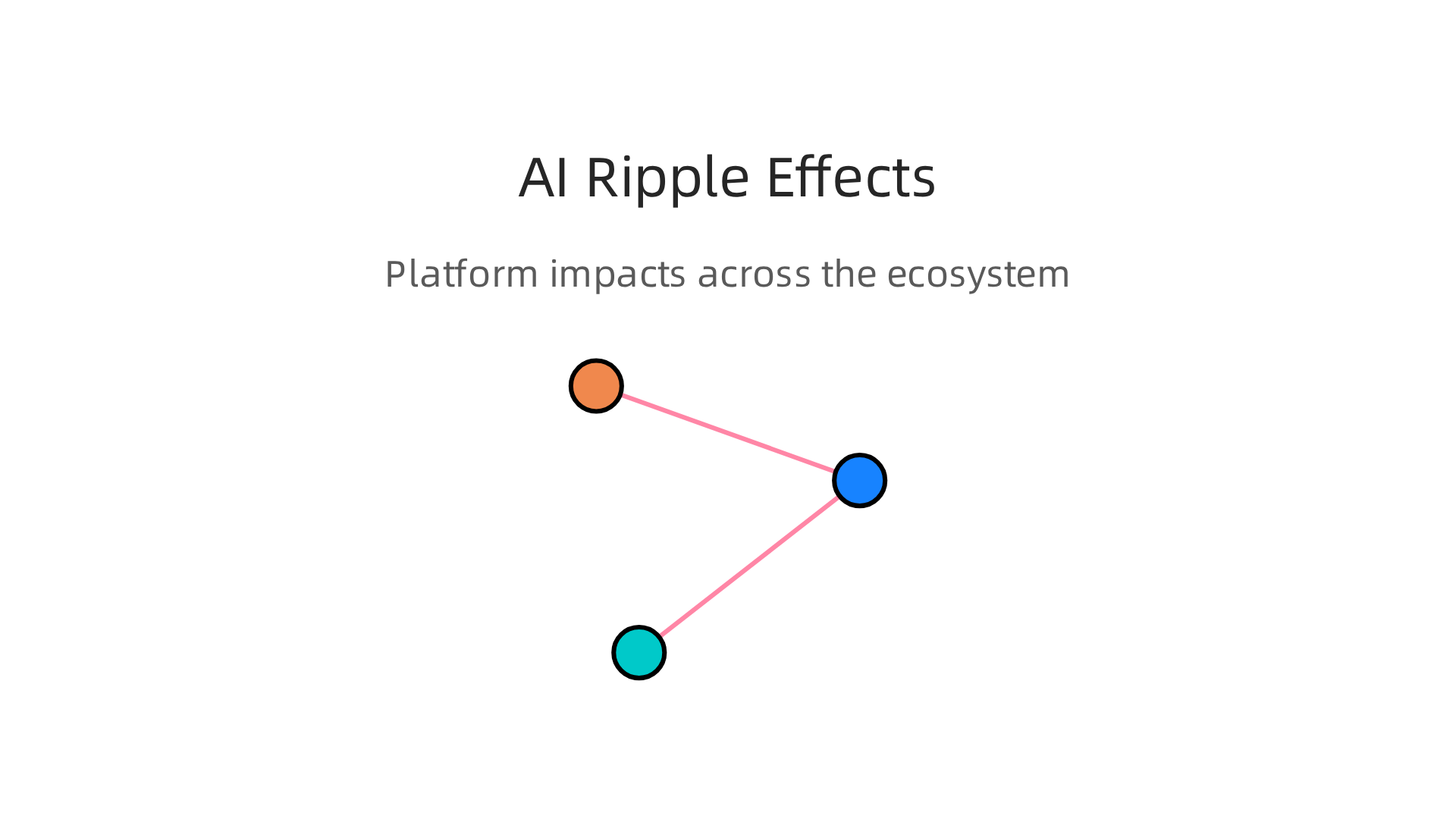
These powerful features of limitless AI platforms change how AI is used everywhere. They create a big ripple effect in the entire AI ecosystem:
-
Partner Networks
No single company can do everything. Limitless AI platforms often work best when many companies team up. They build strong "partner networks" where different businesses offer special tools or services that connect to the main platform. This helps everyone, from small startups to big companies, to grow and share their innovations. Learning to Build Strategic Open Innovation Networks For Tech Breakthroughs is crucial for this kind of growth. -
Developer Communities
A big part of what makes a limitless AI platform truly great is its developer community. These are the thousands of people who use the platform’s tools to build new applications, find creative solutions, and even fix problems. They share their knowledge and help each other, making the platform stronger and more useful for everyone. This active sharing is often a hallmark of successful open source AI projects. -
Third-Party Integrations
Limitless AI platforms are designed to play well with others. This means they can connect smoothly with other software, apps, and systems you might already use in your business. This is called "third-party integration." It’s like having a universal adapter for all your tech. It ensures that data and functions can flow freely between different tools, which is super important for a connected world. To make this work, it often involves embracing Data Interoperability Principles, Challenges, Best Practices to prevent being stuck with just one vendor’s tools.
In short, limitless AI platforms are changing how we think about what AI can do. They are built for growth, flexibility, and working with all sorts of information and other systems. This creates a rich environment where many different kinds of AI can grow, serving a wide range of needs for businesses and individuals alike. To understand the different categories of these smart systems, you can also explore the Types Of Artificial Intelligence A Clear Framework For Understanding AI Categories And Capabilities In 2026.
The world of AI is growing fast, and limitless AI platforms are just one part of this exciting picture. To truly use AI for everyone, it’s helpful to compare these powerful systems with other important types: Turing AI and open-source AI platforms. Each has its own strengths and is best for different kinds of jobs.
To help you understand which is best for your needs, let’s look at them using three simple ideas: how they work (technical), how they make money (commercial), and how they are controlled (governance).
Comparing AI Platform Categories
Here’s how we can compare these different types of AI platforms:
| Feature Dimension | Limitless AI Platforms | Turing AI Platforms | Open-Source AI Platforms |
|---|---|---|---|
| Technical | Focus on huge scale, many types of data (text, images, sound), and easy connections to other tools. They aim to be very flexible and grow big. | Designed to act and talk like a human, passing the "Turing Test." They focus on smart conversations, reasoning, and understanding human language. | Code is free and open for anyone to see and change. They value teamwork, new ideas from many people, and being able to be used in many ways. |
| Commercial | Often owned by big companies. You pay to use their service. They aim for wide use in many businesses. The market for AI platforms is growing fast, with global spending projected to reach $64 billion in 2026 alone Global AI platforms and models market to grow 63 pc. | Very valuable for specific, high-end uses like advanced customer service, smart assistants, or complex problem-solving. They aim for high quality and intelligent results. | Costs less to start because the software is free. Companies might pay for support or special features. Great for smaller companies or those who want full control over their AI tools. |
| Governance | Usually controlled by the company that made it. They set the rules for how it’s used and updated, often with strong ethical guidelines. | Often has strict rules about being fair, safe, and helpful to people, especially since it acts so much like a human. This ensures the AI behaves responsibly. For more on this, check out humane technology principles for ethical AI governance. | The community of users and developers guides its growth. This means many people watch over it, which can lead to quick fixes and new ideas, but less central control. |
How to Choose the Right AI Platform
For investors and people running businesses, picking the right platform means thinking about what you need most:

- For big growth and diverse uses: If you need an AI that can handle a lot of different tasks and grow with your business, a limitless AI platform might be best.
- For human-like interaction: If your main goal is to have an AI that can understand and talk like a person, then a Turing AI platform is what you’re looking for.
- For control and customization: If you want to build AI with full control, a smaller budget, and the ability to change things yourself, then an open source AI platform could be a great fit. It allows many people to contribute, truly making it AI for everyone.
Understanding these differences is key to making smart choices in 2026. The best platform depends on your unique goals, your budget, and how much control you want over the AI’s development. Making the right choice is crucial for success. To learn more about selecting the ideal systems, you can explore how to choose the right AI platforms for business growth in 2026.
Keeping up with all the new AI platforms and how they are different can be a lot of work.
Get clear daily AI updates from The AI Newsletter Worth Reading.
Choosing an AI platform is more than just knowing the basic types. To really make smart choices in 2026, you need to look closer at what each platform can truly do. This means understanding their deep technical features and how they make money.
Technical Capabilities That Matter
When you look at different AI platforms, whether it’s a powerful limitless AI system, a human-like Turing AI, or a flexible open-source AI, these technical points are key:
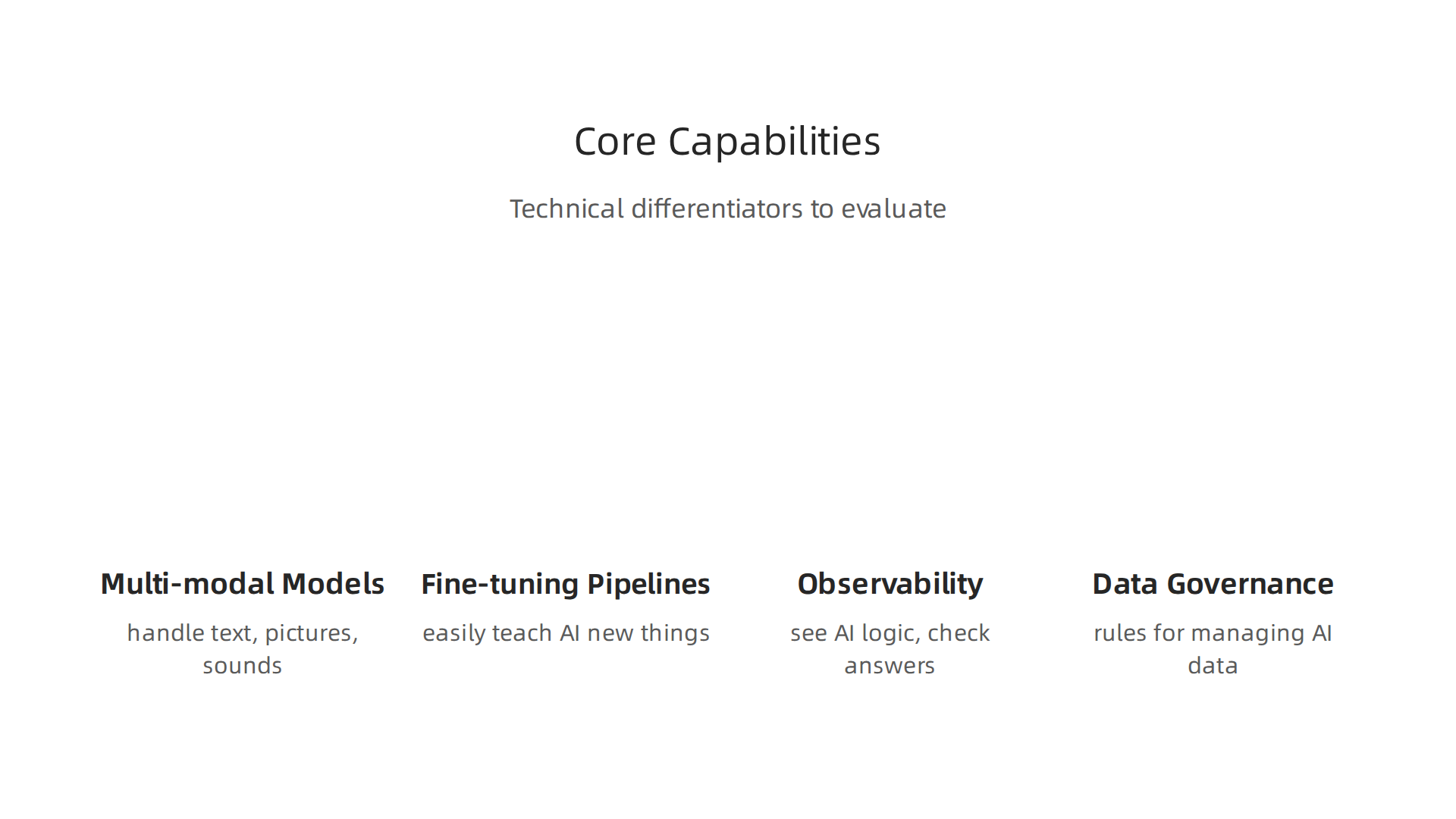
- Multi-modal Models: Think of AI that can understand and work with many kinds of information all at once. This means it can handle text, pictures, sounds, and even videos. For example, a limitless AI platform might use these models to understand a customer’s query (text), analyze their product image (picture), and listen to their voice (sound) to give a complete answer. This ability makes AI truly helpful for many complex tasks.
- Fine-tuning Pipelines: This is about how easily you can teach an AI new things or make it better at a very specific job. Imagine you have a general AI, but you want it to be an expert in, say, medical advice. Fine-tuning allows you to train it with lots of medical data so it performs better in that area. Strong fine-tuning capabilities are important for getting the most out of any AI, making it more specialized for your needs.
- Observability: Can you see and understand how the AI comes up with its answers? Observability means you can peek "under the hood" to check the AI’s logic. This is super important for trust, especially if the AI is making big decisions. It helps ensure the AI is fair and works correctly. For more on understanding how AI learns, check out mastering how AI learns for strategic business advantage.
- Data Governance: This involves the rules and systems for managing all the data the AI uses. It’s about keeping data safe, private, and making sure it’s used fairly. Good data governance prevents bad outcomes and builds trust, especially as AI adoption grows globally. In fact, many organizations are rapidly adopting AI, with over 75% reporting AI usage in at least one business function by 2026 AI Adoption Statistics (2026).
How AI Platforms Make Money
The way an AI platform is built to make money also tells you a lot about it. These are often called platform economics:
- Data Network Effects: This is a powerful idea where the more people use an AI platform, the smarter and better it gets. Why? Because more users mean more data for the AI to learn from. This makes the AI more accurate and useful over time. Platforms that have strong data network effects tend to grow very quickly and become very powerful, offering a truly limitless AI experience.
- Developer Tooling: How easy is it for other people or companies to build new tools and apps on top of an existing AI platform? If the platform provides great tools and clear instructions for developers, more people will create new things with it. This creates a rich ecosystem that benefits everyone, making it feel like AI for everyone.
- Marketplace Dynamics: This refers to how AI services are bought and sold. There are many ways AI apps make money in 2026, like subscriptions, paying for what you use, or even having a mix of both. Understanding these models helps you pick a platform that fits your budget and business goals. Many AI monetization strategies are now common, with models like subscriptions, usage-based fees, and hybrid approaches widely used in 2026
AI App Revenue Models Compared (2026) — Thrad.
Looking closely at these technical and economic points will help you choose the best AI platform for your needs in 2026. It’s all about finding the right fit for your goals and how you want the AI to work.
Moving beyond the inner workings of AI platforms, it’s also super important to think about how these systems talk to each other. In 2026, no AI lives in a bubble. How well an AI platform connects with other tools and businesses can make all the difference. This is what we call integration and interoperability.
Integration, interoperability, and the ecosystem play
When you choose an AI platform, you’re not just picking a single tool. You’re bringing it into your whole world of technology. This means looking at standards, APIs, and special connectors that help different systems work together easily.
Making AI Systems Talk to Each Other
Imagine you have many different apps and programs. If they can’t share information, it’s like they’re speaking different languages. For AI, this problem is solved with a few key things:
- Standards: These are like common rules or formats that everyone agrees on. When AI platforms follow universal standards, it makes them compatible with many other systems. This helps to create an environment where different AIs can work together, making it easier to build a truly limitless AI solution by combining various services. Adopting such standards is a top strategy for promoting interoperability across systems in 2026, often involving global organizations to ensure wide compatibility.
- APIs (Application Programming Interfaces): Think of APIs as special doors that allow different software programs to send and receive information from each other. Good AI platforms offer clear and easy-to-use APIs. This means other companies can build tools that connect to the AI, or you can connect it to your own existing software. Having good technical requirements for APIs, like consistent naming and security, helps connect systems smoothly.
- Adapters: Sometimes, two systems don’t have perfectly matching APIs. Adapters are like special plugs that help them connect anyway. They translate information so that it can flow between different platforms.
When AI platforms use these tools, they allow for something called "composability." This means you can pick and choose different AI parts or services and put them together like building blocks to create a custom solution.

This is great for cross-platform workflows, where your AI might start a task in one system and finish it in another.
For example, a marketing team might use an open-source AI to write an initial draft, then pass it to a specialized Turing AI for deeper analysis, and finally use another AI tool for publishing. All this works because of good integration. Clear principles and practices for data interoperability, like using industry-standard formats and open standards, are essential for making this happen smoothly.
How Interoperability Affects Your Choices
The ability of an AI platform to work well with others has big effects on your business:
- Partner Ecosystems: Platforms with good interoperability attract more partners and developers. This creates a richer ecosystem of tools and services that can work with the AI. It means you have more options and support, often leading to more robust solutions for AI for everyone.
- Migration Risk: If an AI platform doesn’t connect well with anything else, you might get "locked in." This means it would be very hard and costly to switch to a different AI later on. Strong interoperability lowers this risk, giving you the freedom to change if a better tool comes along.
- Customer Lock-in: For businesses that offer AI services, good interoperability means customers are less likely to be stuck with just one solution. They can mix and match, which often makes customers happier and builds trust.
In 2026, choosing an AI platform is a long-term decision. Thinking about how it integrates with your current and future systems is just as important as its power. It helps you build a flexible and future-ready setup.
Want to stay on top of all the latest AI developments and make the smartest choices for your business?
The AI Newsletter Worth Reading brings you clear daily AI updates from The Deep View Newsletter.
After thinking about how AI systems talk to each other and fit into your tech world, it’s time to look at how businesses make money from these powerful tools. In 2026, the AI platform market is huge, with many ways for companies to earn money. Knowing these business models and how companies sell their AI is key to understanding the market.
Business Models, Monetization, and Go-to-Market Strategies
The world of AI is growing fast. Experts say that how much money people spend on AI platforms and models will jump to about $64 billion in 2026, a big increase from the year before Global AI platforms and models market to grow 63 pc …. This growth means lots of chances for new ways to make money.
How AI Companies Earn Money
When it comes to making money from AI platforms, companies use several main ways, called monetization strategies. These help turn smart AI abilities into a steady income Compare AI monetization solutions for SaaS (2026 edition).
- Consumption-Based APIs: Imagine paying for electricity. You only pay for what you use. Many AI platforms work this way, especially for their Application Programming Interfaces (APIs). Businesses pay based on how many times they use the AI, how much data it processes, or how complex the tasks are. This is very popular for things like language or image AI.
- Subscription Tiers: This is like Netflix or a gym membership. Customers pay a regular fee, usually monthly or yearly, to get access to different levels of AI services. Higher tiers might offer more features, faster service, or more usage limits. This model often includes a basic amount of use, with extra charges if you go over AI SaaS Monetization in 2026: What Actually Works.
- Marketplace Revenue Shares: Some AI platforms act like a store where other developers can sell their AI tools or models. The platform takes a small cut from each sale. This creates a rich place for many kinds of AI services. You might see this model for specialized AI apps that help with things like graphic design or video editing. To learn more about how to bring your AI ideas to the market, consider checking out our guide on The AI Innovation Guide to Strategy, Measurement, and Frameworks.
- Enterprise Licensing: Big companies often need custom AI solutions that are built into their own systems. They might pay a large fee for a license to use the AI software, sometimes forever, or with ongoing support contracts. This is common for complex AI solutions in fields like healthcare or finance.
Many AI companies also use hybrid models, mixing a few of these ideas. For example, a base subscription with extra charges for heavy use. In 2026, finding the right way to price AI products is very important for success Software Monetization Models and Strategies for 2026.
How AI Platforms Get to Market
The way an AI platform is sold to customers is called its go-to-market strategy. This changes a lot depending on the company.
- Platform-First Startups: These new companies often focus on getting developers to use their AI first. They might offer free trials or easy-to-use tools to get people hooked. Their goal is to build a strong community around their platform before trying to sell to bigger businesses. They need clear pricing and great support.
- Open-Source Driven Projects: Some AI platforms are built using "open-source" software, meaning anyone can use and change the basic code. Think of projects similar to an
open source ai. These often build a strong community of users and developers. They might make money by offering paid features, special support, or hosting services. This helps makeai for everyonemore accessible.
No matter the approach, a clear plan for how to reach and keep customers is essential for any AI business looking to grow. Understanding these strategies helps you see how different AI platforms compete and succeed in today’s fast-moving market. If you’re keen on knowing more about what makes a great tech business, you might find our insights on Blueprint for AI Growth and Investment very helpful.
As AI platforms grow and change, it’s not just about how they make money or reach customers. It’s also about making sure they are safe, fair, and follow the rules. This careful handling of AI is called "governance," and making sure it meets all the rules is "compliance." It’s super important in 2026, especially as we think about the possibilities of limitless AI.
Rules and Privacy for AI Platforms
The way AI platforms are built and used brings up many questions about rules and privacy. How companies run these platforms is key to how fair and safe they are for everyone Digital platform governance: how to move forward without ….
- Closed Platforms: These are AIs where one company owns and controls everything. Think of a service from a big tech company.
- Privacy: These companies must work hard to keep your personal information safe. They need clear rules about what data they collect and how they use it.
- Model Risk: Sometimes, even smart AI can make mistakes or be unfair. The company that owns the AI is responsible for checking if the AI is biased or if it might cause harm. They have to fix these problems.
- Regulation: Governments around the world are making new rules for AI. For example, Europe has the Digital Services Act (DSA), which makes big online platforms follow certain rules to protect users and control information Platform governance under the Digital Services Act: a perspective on disinformation.
- Open-Source AI Platforms: These are AIs where the basic code is free for anyone to see, use, and change. This supports the idea of
ai for everyone.- Privacy: Even with open-source tools, privacy is important. Users might still put in personal data, and it needs to be protected.
- Model Risk: It can be harder to control how open-source AI is used because many different people can change it. If someone uses an
open source aifor bad reasons, or changes it in a way that creates problems, it’s not always clear who is responsible. - Regulation: Creating rules for open-source AI is tricky because it’s built and used by so many different people and groups.
No matter the type, ethical guidelines are important. To learn more about good practices, you can read about humane technology principles for ethical AI governance.
Risks in How AI Operates
Beyond rules and privacy, there are also practical risks in how AI models are built and managed. These are called operational risks.
- Supply Chain of Models: Just like knowing where your food comes from, it’s important to know where AI models get their pieces. Where did the training data come from? Was it collected fairly? Is it free of hidden biases? A strong
turing aisystem needs good ingredients. - Provenance: This means knowing the full history of an AI model. Who created it? What data was used to train it? When was it last updated or changed? Knowing the provenance helps us trust the AI and understand why it makes certain decisions. This is crucial for keeping AI safe and dependable.
- Reproducibility: Can different people get the same results if they use the same AI model and the same starting information? If an AI acts differently each time, it’s hard to rely on its results. This is especially true for critical uses of AI, where consistent and repeatable actions are needed.
The world of AI governance is still very new and is always changing in 2026. Governments and companies are working together to find the best ways to manage these powerful tools and make sure they benefit everyone safely. Staying up-to-date with these fast changes can be tough.
If you want to keep up with the quick changes in the AI world, there’s an easy way.
Get clear daily AI updates from The AI Newsletter Worth Reading.
Learning about AI rules and how they work is just the first step. For people who invest in AI or lead AI companies, the next big step is to figure out which AI platforms are worth their time and money. It’s about choosing wisely, especially when thinking about the big promises of limitless ai.
Here is how smart leaders can check and pick the best AI platforms in 2026.
How Investors and Executives Should Evaluate and Prioritize Platform Opportunities
When looking at new AI platforms, investors and company leaders need a clear way to size them up. This means checking different important parts of the platform to make sure it’s a good bet for the future.
-
Looking at the Technology (Technical Diligence)
- Is it powerful? You need to know how good the AI actually is. Does it work fast and can it handle many users? Is it safe and reliable? A top-notch
turing aisystem should be able to do what it promises. - How does it fit in? Can the AI platform easily connect with other tools and systems? Good integration means it can be used more widely.
- Is it fair and private? Remembering what we talked about earlier, it’s key to check if the AI is built with strong privacy rules and if it tries to avoid being unfair.
- Is it powerful? You need to know how good the AI actually is. Does it work fast and can it handle many users? Is it safe and reliable? A top-notch
-
Looking at the Business Side (Commercial Diligence)
- Can it make money? How will this AI platform earn money? Is there a big group of people who want to use it? How quickly can it grow?
- Who are the competitors? Even
open source aiplatforms have others doing similar things. It’s important to know who else is out there and what makes this platform special. - Does it really help people? What real value does the AI offer to its users or other businesses? Does it solve a problem they have?
-
Looking at the Rules (Legal Diligence)
- Does it follow the law? Just like we learned, there are many rules about data privacy and how AI should be used. Leaders must check that the platform follows all these rules, both where it is now and where it plans to grow. Many countries are still working on how to handle digital platforms, so understanding the legal landscape is key Towards a global approach to digital platform regulation.
- Who owns what? It’s also important to be clear about who owns the technology and ideas behind the AI. This is called intellectual property.
-
Looking at What People Want (Market Indicators)
- Is there a real need? Is there a big demand for what this AI platform does? Do customers truly want it?
- What are the trends? Is the platform riding a wave of new ideas, like making
ai for everyonemore accessible, or is it solving an old problem in a new way? - What makes it special? Why would people choose this platform over others? What is its unique selling point?
Making Smart Choices
After checking all these points, investors and executives need a way to decide where to put their efforts and money. It’s like having a puzzle where each piece is a different AI platform.
The best way to decide is to look at the balance of opportunity versus risk. You want to pick platforms that have a strong technology base, a clear plan to make money, and a good record of following rules. Also, consider if the platform has a long-term vision and can change as the world changes. This careful approach helps make sure investments in limitless ai bring real rewards.
To learn more about how to choose platforms for success, you can read our guide on choosing the right AI platforms for business growth in 2026.
Summary
This article explains why a practical taxonomy for AI platforms matters in 2026 and shows how to cut through the noise of rapid innovation. It defines three major platform types—limitless, Turing, and open‑source—and compares them across technical, commercial, and governance dimensions so leaders can match platform strengths to business needs. The guide covers the technical features that matter (multi‑modal models, fine‑tuning, observability, data governance), marketplace economics (network effects, developer tooling, pricing models), and the importance of integration and interoperability to avoid lock‑in. It also outlines monetization patterns and go‑to‑market approaches, highlights regulatory and operational risks like provenance and reproducibility, and gives a diligence checklist tailored for investors and executives. After reading, you’ll be able to prioritize platform opportunities, evaluate trade‑offs, and take concrete next steps to select AI platforms that fit your growth, control, and compliance requirements.