
Introduction
You open your phone in the morning and there are fifty new AI announcements waiting for you. A new model launched overnight. A robotics startup raised a billion dollars. A trendy topic flared up on social media and everyone has an opinion. By noon, your brain is full and you still haven’t figured out which updates actually matter.
Sound familiar?
The AI landscape moves so fast that keeping up feels like a job in itself. In 2026, the global AI market is worth over half a trillion dollars and is projected to grow to $1.67 trillion by 2031 according to AI Market Size Statistics 2026. That kind of growth creates a massive amount of noise. Every company wants to be seen as tech savvy. Every product claims to be powered by artificial intelligence. And every day brings a new headline that makes yesterday’s news feel outdated.
Here’s the thing: you do not need to know everything. You just need to know the right things.
This article is built for time-pressed professionals who want to separate signal from noise. Whether you are an ai engineer tracking model releases, an investor looking for the next big opportunity, or simply a curious professional trying to stay informed, the goal here is the same. We will cover the most impactful trends in generative AI, robotics, computer vision, and agentic systems. We will skip the fluff and focus on what actually changes how you work, invest, or plan for the future.
The approach is curated intelligence. Instead of drowning in a flood of information, you get a distilled view of the forces that matter most. Think of this as your shortcut to understanding where the cool tech market is heading and which upscale AI developments deserve your attention.
If you find yourself nodding along and wishing you had a way to get this kind of clarity every day, there is a simple solution. The best way to stay ahead without the overwhelm is to subscribe to a daily source that does the filtering for you.


The AI Newsletter Worth Reading delivers clear daily updates straight to your inbox, so you never miss a key development and never waste time on what does not matter.
Ready to cut through the noise? Let us dive into the trends that will define the rest of 2026 and beyond.
The State of Cool Tech in 2026: Key Trends Shaping AI
So what actually qualifies as cool tech in 2026? The answer is not about flashy gadgets. The real action is in three major shifts that every AI engineer and tech savvy professional should watch.
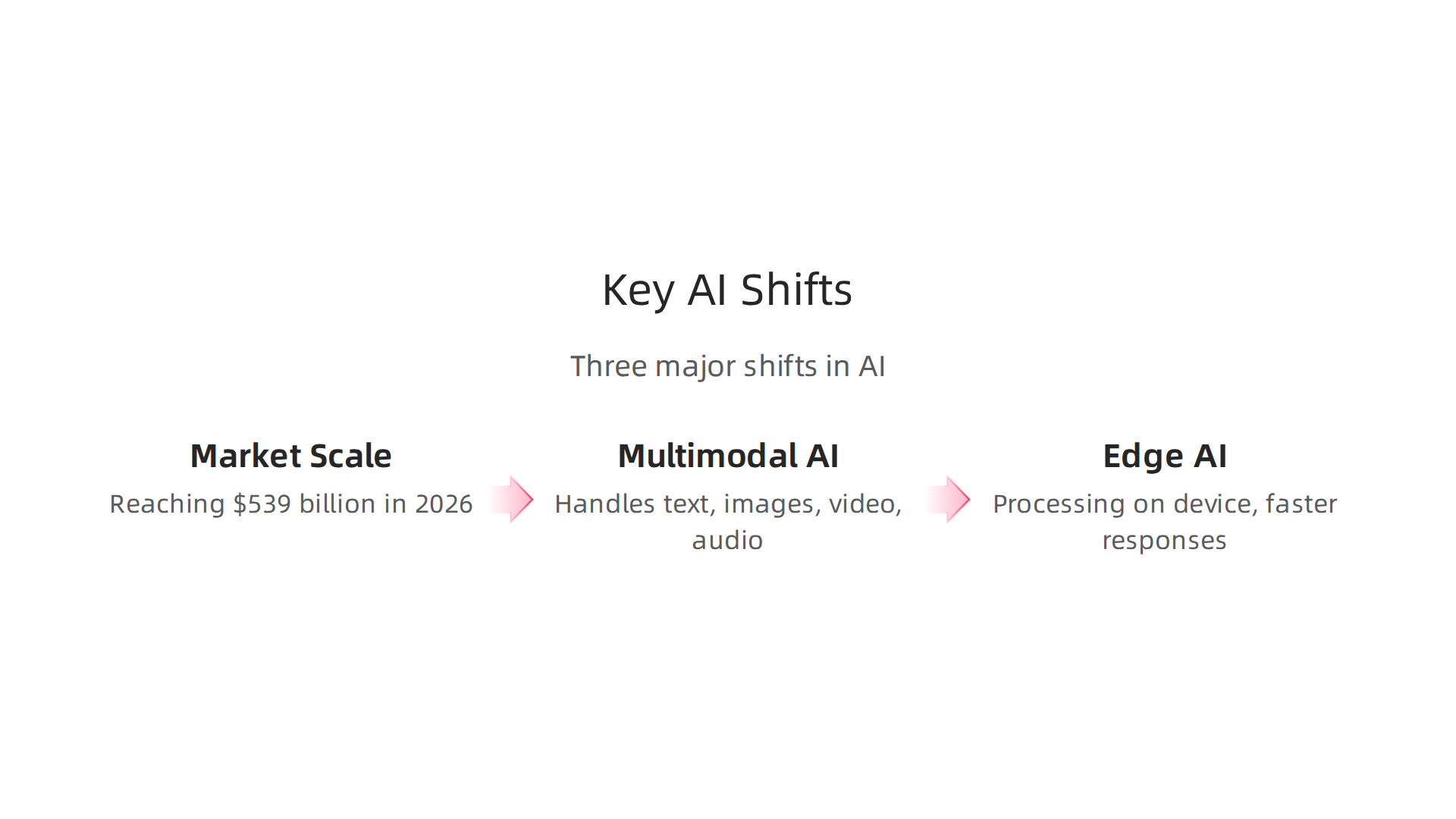
First, the market scale is massive. The global AI market is set to reach $539 billion in 2026 alone, according to the Artificial Intelligence Market Size & Share Report. Generative AI leads as the fastest-growing segment. Companies are moving past experiments and embedding AI into core operations at record speed.
Second, multimodal AI is now the standard. Models released in 2025 and 2026 handle text, images, video, and audio together. That unlocks new use cases in content creation, design, and analysis. For a closer look at what is possible now, check out the best creative AI tools in 2026 for video, music, design, and code.
Third, Edge AI is redefining privacy and speed. Instead of sending every request to the cloud, processing happens right on your device. The result is faster responses, lower costs, and stronger data protection. For anyone concerned about data privacy, this shift matters a lot.
These three trends generative AI growth, multimodal models, and edge processing are reshaping what we call cool tech in 2026. They are practical, not just interesting, and they are already changing how we work and build.
Generative AI Beyond Text
The shift to multimodal AI is most visible in generative AI that goes beyond text. Video generation tools like Sora and Veo are now mature enough for professional use. Audio synthesis tools create realistic voice and music in seconds. These advances are not just for creators. AI engineers and tech savvy enterprise teams use them for rapid design prototyping, code generation, and content production at scale. The 2026 AI Index Report estimates generative AI tools generated $172 billion in value to US consumers. For a deeper look at the visual side of this tech, see computer vision companies in 2026. Stay ahead of new tools by following The AI Newsletter Worth Reading.
Self-driving vehicles are finally moving beyond test tracks and onto real roads.
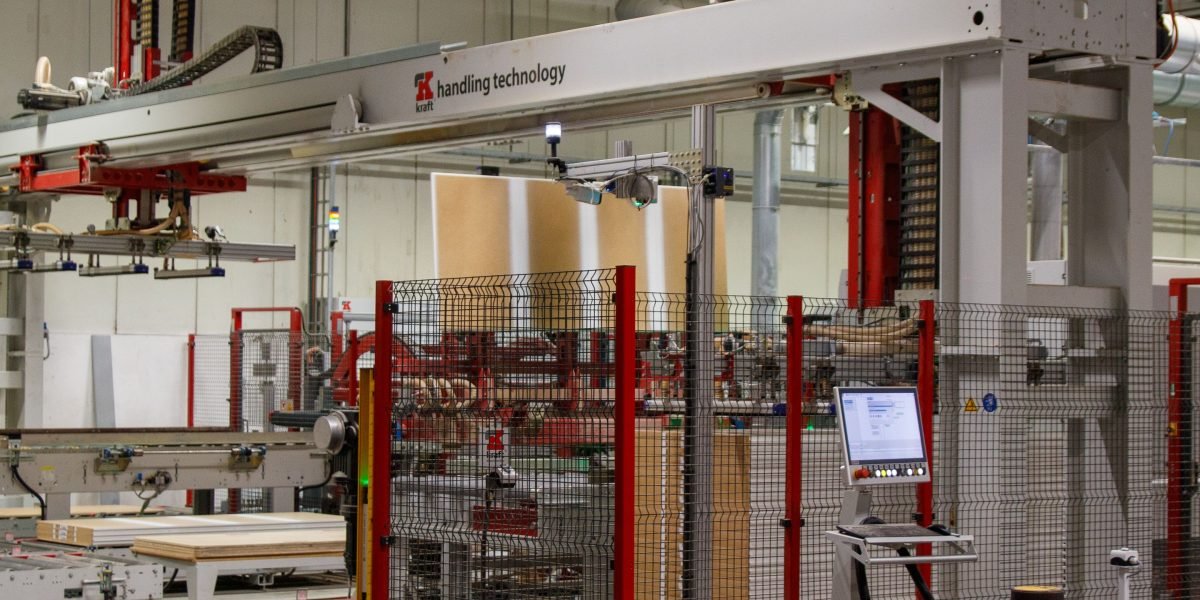
In 2026, we see commercial deployment happening in more cities every quarter. This is cool tech that actually delivers on its promise of safer, more efficient transport.
For the tech savvy ai engineer, the bigger story is how robotic process automation is merging with AI. This combination lets teams upscale AI across entire business workflows, not just single tasks. The shift from siloed trials to full autonomy is a trendy topic tiff right now across the industry. Analysts have named this progress a defining AI breakthrough of 2026. To understand how these machines perceive the world, dig into the latest invisible navigational technologies powering drones robots and smart cities.
Decoding the Hype: Separating Breakthroughs from Buzz
Not every splashy AI headline delivers on its promise.

For the tech savvy professional, knowing what’s real versus what’s just a trendy topic tiff makes all the difference.
Take agentic AI. It’s the buzziest cool tech of 2026, but most systems are still experimental. They struggle with long tasks and unexpected situations. Real breakthroughs here are still a year or two away.
Quantum AI gets even more overblown. Headlines claim huge leaps, but progress is much slower than advertised. The real horsepower in 2026 still comes from classical machine learning advancements that let you upscale AI across practical business problems.
So how do you separate signal from noise? Start by learning how strategic AI adoption drives business growth in 2026. Then stay current with a trusted source that cuts through the hype. The AI Newsletter Worth Reading delivers daily, clear updates so you never chase a mirage.
Agentic AI: Hype vs Reality
Agentic AI sounds like pure cool tech magic. The promise? Autonomous agents that finish your tasks while you focus elsewhere. The 2026 reality is more down to earth. These systems still face reliability problems. They work best only in narrow, well-defined environments. An ai engineer knows the limits well. To truly upscale AI into everyday workflows, we need better self-verification and memory. That is why industry focus has shifted. According to the analysis of AI breakthroughs that will define 2026, making AI more reliable is the top priority this year. That tells you how far the field is from the full vision. For a practical look at what AI can actually do today, explore our guide to the best creative AI tools in 2026.
Quantum AI Progress
Quantum computing still promises massive power gains. But in 2026, it has not yet shown a practical advantage for machine learning. This remains a cool tech topic among the tech savvy, yet the hype has outrun reality. The current focus is on hybrid classical-quantum approaches, which benefit from advances in computer simulation technology. This strategy fits the broader move from hype to pragmatism in AI. To stay ahead of these shifts, The Deep View Newsletter delivers daily updates straight to your inbox.
The New Frontier: Cool Tech in Robotics and Edge AI
While quantum computing stays in the lab, two categories of cool tech are already transforming the real world in 2026. Humanoid robots have crossed from research projects into real factory floors and logistics centers.
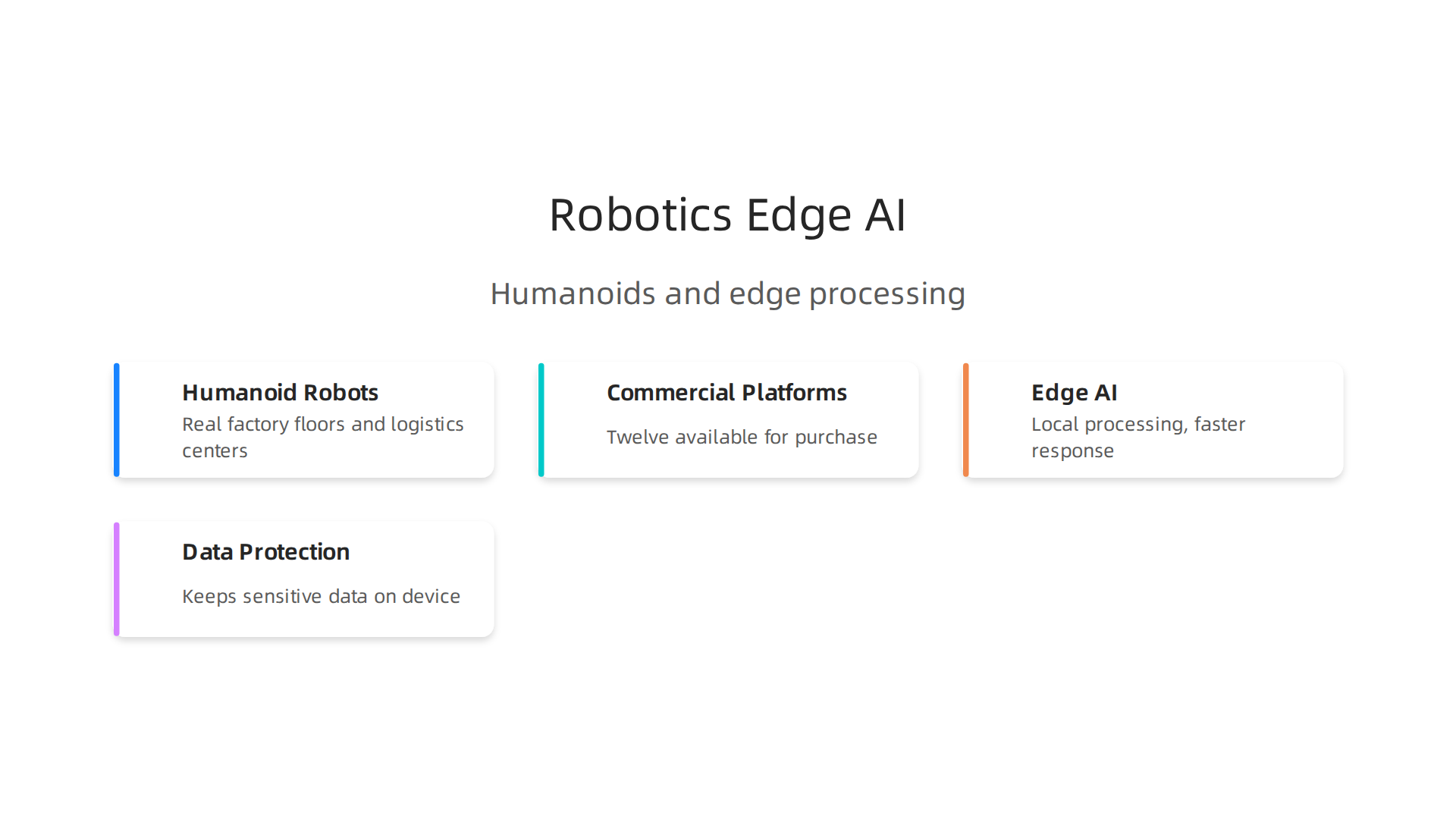
According to the State of Robotics 2026 Report, twelve commercial humanoid platforms are now available for purchase or lease, with logistics and warehousing leading deployments at 41,000 units. These robots handle material transfer, bin picking, and light assembly, but they still operate at slower cycle times than traditional industrial arms. Still, the progress is impressive for any tech savvy observer.
The second shift is edge AI. Instead of sending every data point to the cloud, edge devices process information locally. This cuts response time dramatically and keeps sensitive data on the device. For robots that need to react in milliseconds, edge AI is a must. The combination of on‑device inference and fast actuators makes real‑time applications safer and more private.
To see how this invisible technology works under the hood, check out our piece on invisible navigational technologies powering drones, robots, and smart cities. Both trends show that the most practical cool tech in 2026 is the kind that quietly gets the job done.
Humanoid Robots in the Workplace
Tesla Optimus, Figure 02, and other platforms are in early production runs. Figure 02 already tests at a BMW factory handling material transfer. The 2026 humanoid robot market lists multiple companies pushing toward wider deployment.
Costs are dropping. A robot now costs $16,000 to $80,000 with operating costs near $2 per hour. That makes them competitive with human labor.
These robots fit into a bigger picture. Learn more about how strategic AI adoption drives business growth.
For daily updates on AI and robotics, read the AI Newsletter Worth Reading.
On-Device AI and Privacy
You might worry about sending your personal data to the cloud every time you use AI. That concern is driving one of the coolest tech shifts in 2026. Apple and Qualcomm now embed large language models directly on devices. Your phone can run advanced AI without sending sensitive data to a server. This protects your privacy and helps companies follow stricter privacy rules.
There is a trendy topic tiff between cloud AI and on-device processing. For personal data, on-device wins. Tech savvy users prefer keeping their information local. AI engineers are redesigning models to fit on small chips. This upscale AI capability runs locally, keeping your data safe. Privacy risks with always-on sensors are real. On-device processing reduces those risks. For more on safer AI models, check out Anthropic AI’s approach to safety and privacy.
Investment Hotspots: Where Smart Money Is Flowing in 2026
If you want to know where the cool tech money is going, look no further than artificial intelligence.

In the first quarter of 2026 alone, global venture funding hit a record $300 billion, and a staggering 80% of that went to AI companies. That’s according to Crunchbase data on the AI boom pushing record funding. The numbers are mind-blowing.
So where is all that cash landing? Two areas are especially hot right now.
First, AI infrastructure. Building the brains behind AI requires massive data centers and powerful chips. Companies like Nvidia, AMD, and startups racing to build custom silicon are attracting billions. Without this foundation, all the upscale AI tools we love wouldn’t work. AI engineers are in huge demand to design these systems. For a deeper look at the hardware side, check out Infineon Technologies’ AI hardware for infrastructure.
Second, vertical AI applications in fields like healthcare and finance are exploding. Instead of one-size-fits-all models, smart money is backing AI that solves specific problems. Think AI that reads medical scans or automates stock trading. These focused tools deliver real value fast.
For the tech savvy investor, this trendy topic tiff between building general AI versus specialized AI is worth watching. Most experts say both will win big. If you want to stay ahead of these shifts, consider following a daily source that tracks every major funding round and company move. One of the best ways is to subscribe to The Deep View Newsletter for clear daily AI updates.
The smart money is flowing fast. Are you ready to follow it?
AI-Native Startups vs Incumbents
The cool tech battle between AI-native startups and established incumbents is defining 2026. Startups like Anthropic and xAI iterate faster, but incumbents hold a core advantage: massive proprietary data sets that feed their models. This tension fuels a record M&A wave as big tech buys niche players to stay ahead. According to KPMG’s Q1 2026 Venture Pulse, global VC investment surged to $330.9 billion, overwhelmingly driven by AI startups. To understand how one startup challenges the giants, read our deep dive on Anthropic AI.
Infrastructure and Chip Innovation
The AI boom in 2026 runs on more than just code. It demands specialized chips like GPUs, TPUs, and NPUs, and demand is surging fast. According to the Silicon Valley Bank State of the Markets Report, a major share of record-breaking AI investment now supports hardware development.
While NVIDIA leads the market, new players like Cerebras and Groq are challenging the status quo. This trendy topic tiff is great news for any tech savvy ai engineer looking to upscale ai applications this year. Understand the physical components better by reading this AI hardware infrastructure guide.
Staying on top of chip moves is critical. Get clear daily AI updates from The Deep View Newsletter so you never miss a major infrastructure shift.
Navigating Information Overload: How to Curate Your AI Intelligence
Keeping up with AI news can feel like drinking from a firehose. The hype cycle from 2025 has cooled down, and 2026 is all about practical use. As a report on the shift from hype to pragmatism explains, the focus is now on making AI work in real life. That’s great for any tech savvy professional who wants to upscale ai projects.
But here’s the problem. There are too many sources, too many updates, and too many trendy topic tiffs between companies. You can spend hours scrolling and still miss the big picture.
The solution is curation. You need a system that filters the noise and delivers what matters.
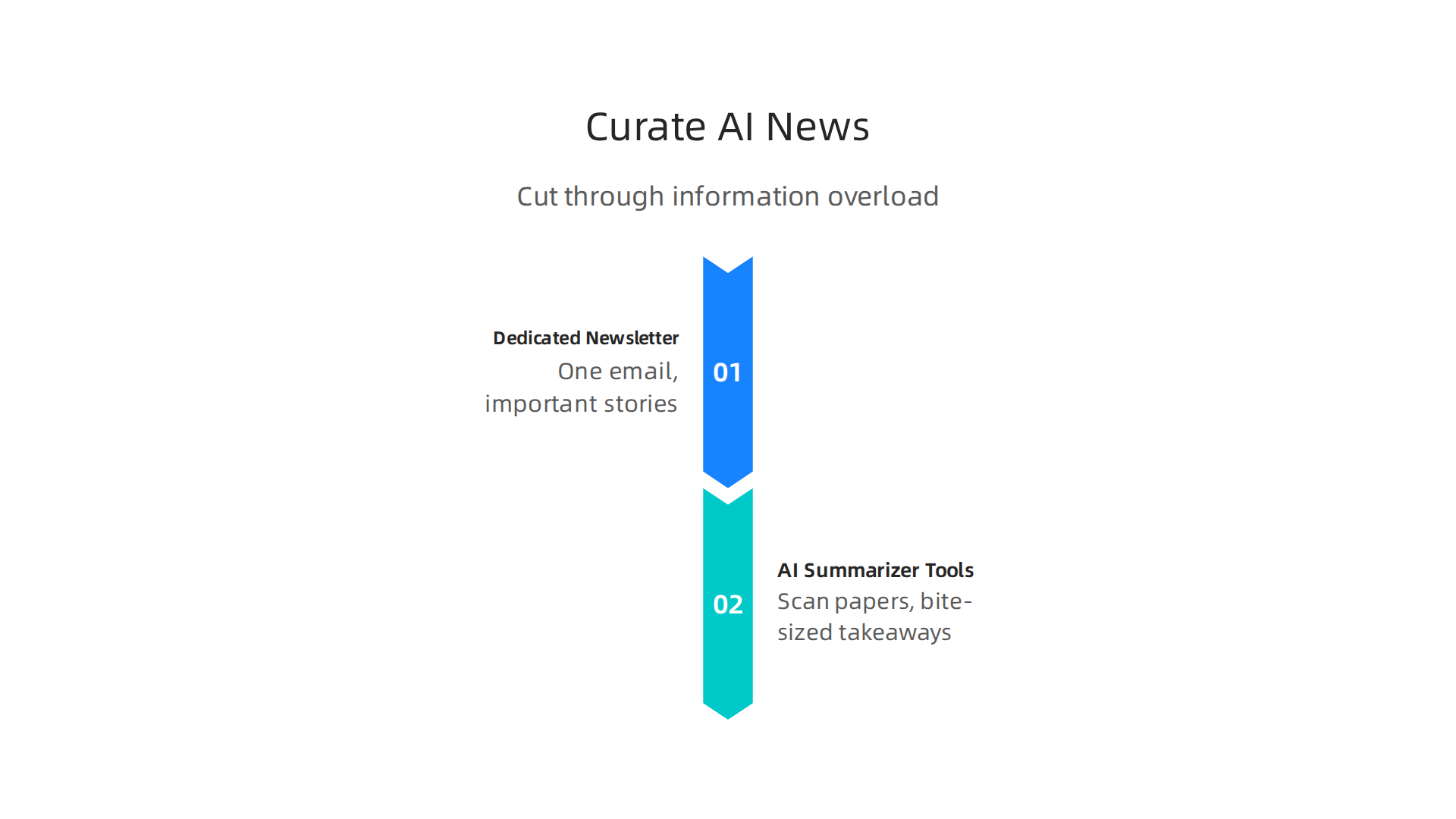
A dedicated newsletter does this for you. Instead of visiting 20 websites, you get one email with the most important stories. It saves time and keeps you focused on what actually moves the needle.
AI tools that summarize research are even better. They scan papers, earnings calls, and product launches, then give you bite-sized takeaways. Any ai engineer or analyst can stay current without spending all day reading. Learn more about how these tools work in this guide on why machine intelligence professionals rely on an AI summarizer.
Real people are already using this approach. According to a 2026 study on how people are really using AI from Harvard Business Review, more knowledge workers now rely on curated feeds and smart filters to manage the flood of information. Those who do report feeling more confident and less overwhelmed.
If you want a daily dose of cool tech news that’s already been sorted for you, consider a trusted daily source. The The AI Newsletter Worth Reading delivers clear, actionable updates every morning. It’s one less thing to worry about and one more way to stay ahead.
The Future of Work: How Cool Tech Is Reshaping Roles and Skills
Now that you have a system to stay informed, let’s talk about what this cool tech actually means for your career. One big question keeps coming up: will AI take your job? The short answer is no, but your role will change.
According to the World Economic Forum, the goal is to use technology to augment human capability, not replace it. That is a big shift from the scary headlines you see. In 2026, AI handles repetitive tasks, while humans focus on judgment, creativity, and strategy.

This means demand for new skills is exploding. Companies now look for people who understand how to work with AI. That includes prompt engineering, AI-augmented data analysis, and knowing how to ask smart questions. If you are already tech savvy, you have a head start. But you still need to upscale ai skills to stay relevant.
Cool tech is not about replacing workers. It is about helping them do more. An ai engineer might build the tools, but every knowledge worker now needs to know how to use them. If you want to future-proof your career, start learning today. Check out this strategic guide on learning AI to see where to begin.
AI-Augmented Roles
Lawyers, doctors, and coders now work with AI co-pilots every day. A lawyer can scan thousands of case files in minutes. A doctor spots hidden patterns in medical images that the human eye might miss. Coders write and debug code with AI helpers beside them. That is cool tech working alongside real people.
The results are concrete. Early adopters report 20% to 40% productivity gains. And workers who master these tools earn more. According to a WEF analysis of AI skills and work, AI-fluent professionals earn 56% more than peers without those skills. That is a powerful incentive to upscale ai skills now.
If you want to see which tools make a real difference in your daily work, explore these top AI tools for business in 2026. And for daily insight, The Deep View Newsletter delivers clear AI updates straight to your inbox.
Lifelong Learning and Skills Adaptation
Online courses and micro-credentials are booming in 2026. This is where cool tech meets real career growth. Companies are stepping up too. Many now invest heavily in reskilling programs for AI-related roles.
The shift is real. According to a World Economic Forum analysis of workforce transformation, building a culture of continuous learning is a key strategy for businesses. For individuals, the path is clear: upscale your skills or risk falling behind.
If you want a structured way to start, check out this strategic guide on how to learn AI for success in 2026. It breaks down the best steps for becoming truly tech savvy in the current market.
Summary
This article cuts through the flood of 2026 AI headlines to show what actually matters for professionals: the rapid growth of generative AI, the rise of multimodal models, and the practical gains from edge processing and robotics. It explains which advances are mature (video and audio synthesis, on‑device LLMs, commercial humanoid deployments) and which remain overhyped (agentic systems, quantum AI). You’ll learn where funding is flowing—into infrastructure and vertical AI—and how organizations combine AI with automation to scale operations. The piece also offers practical advice for staying informed without burnout, including curated newsletters and AI summarizers, plus the concrete skills and learning paths that help workers and engineers adapt. Read it to understand what to adopt now, what to watch, and how to keep your team and career competitive in a fast-moving market.