
Why AI-driven learning matters now
In 2026, the world of artificial intelligence is moving at lightning speed. For anyone working as an AI engineer or simply trying to keep up with new ideas, it can feel like too much information to handle. There are countless new discoveries and tools every day, making it hard to know where to focus your learning. This fast pace means that traditional ways of studying often fall short, leading to information overload rather than true understanding. What we need is a smarter, faster way to learn that truly works.
This is where AI-driven learning steps in. Imagine having a personal AI study helper that knows exactly what you need to learn and how you learn best.

Systems like youlearn ai use smart technology to make studying personal for you. This means the learning path changes based on what you already know and what you need to review.
Research shows that using AI in education can make a big difference. Studies have found that AI-powered learning can significantly improve how much you learn and how well you remember it over time [Artificial intelligence in education: a … – Frontiers]. For example, a framework that uses AI for personalized study showed students gained 26% more mastery and stuck to their study plans 88% of the time [An Adaptive AI-Driven Framework for Personalized Study …]. Another study found that students who actively used a personal AI tutor achieved higher grades, with some improving up to 15 percentile points compared to those without an AI tutor [Effective Learning with a Personal AI …].
This kind of learning helps you save time because you spend less effort on things you already know. It boosts how well you keep new knowledge in your mind, ensuring that important facts stick. You can even visualize AI concepts more easily when the learning is set up just for you. This way, you get a solid, evidence-based education without wasting precious time. It is all about making learning powerful and effective for your journey into AI.
To stay on top of all the fast changes in AI, make sure you are getting the latest information.
The AI Newsletter Worth Reading provides clear, daily updates right to your inbox.
You might also find helpful information in The strategic guide how to learn AI for success in 2026.
What AI-powered learning actually is (and what it isn’t)
So, what exactly is AI-powered learning? It is much more than just a computer program that answers your questions. Think of it as a super smart personal AI study helper that changes how you learn in a big way. These systems use artificial intelligence to make your study path truly unique to you. They learn how you learn best and then give you materials and tasks that match your needs.
Here is how it works:
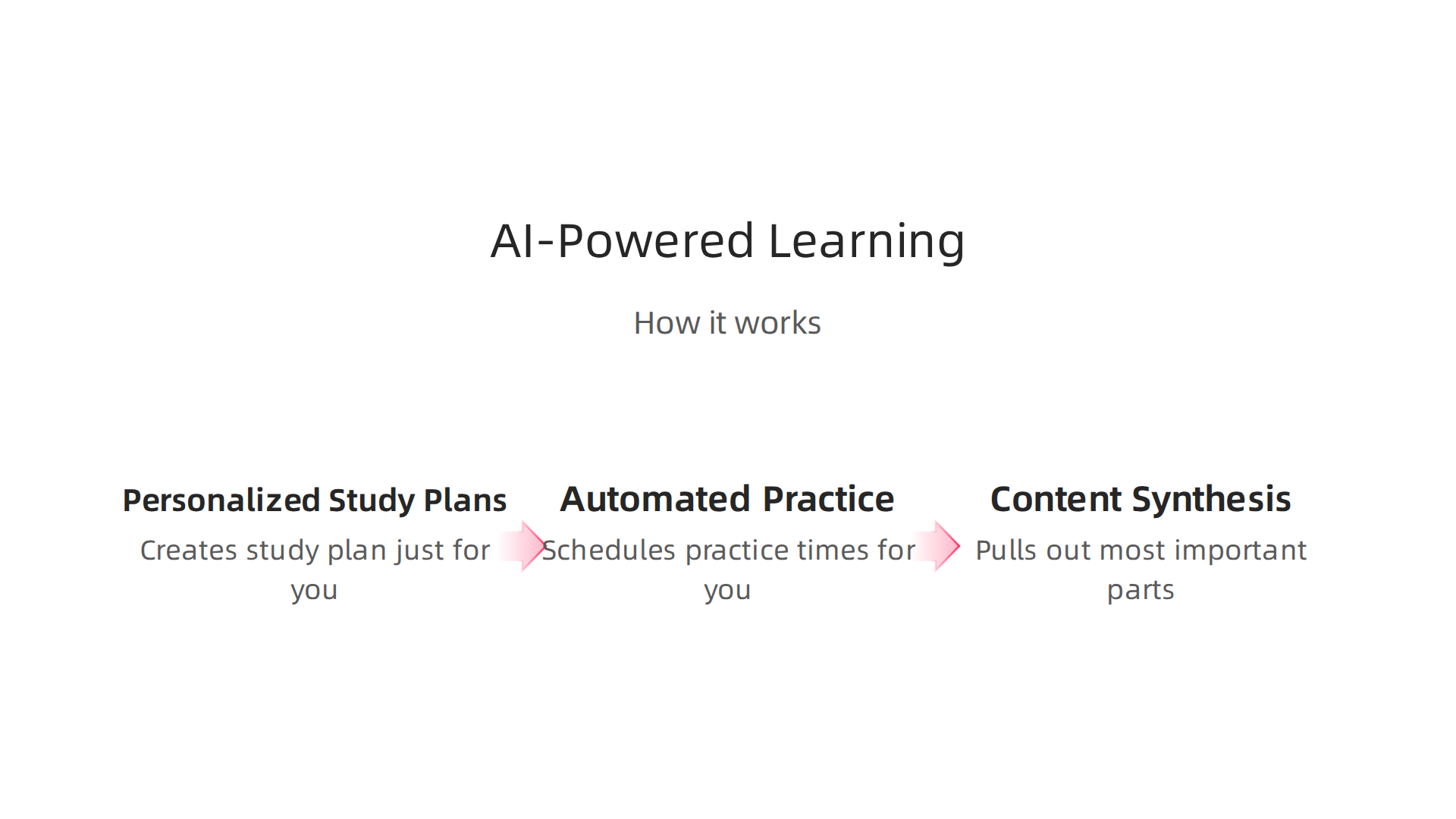
- Personalized Study Plans: An AI-powered system creates a study plan just for you. If you are an AI engineer trying to learn a new programming language, the system knows what you already understand and what you need to spend more time on. It also tracks your progress.
- Automated Practice and Reviews: It can schedule practice times for you, making sure you review topics right when you need to. This helps the information stick in your mind for longer. For example, YouLearn AI can take your videos, notes, or PDFs and turn them into quizzes and flashcards, helping you learn faster and remember more [YouLearn AI Review 2026: Features, Pricing, Alternatives].
- Content Synthesis: These tools can take a lot of different learning materials like videos, textbooks, or notes, and pull out the most important parts. They can then make summaries, simple notes, or even audio podcasts. This makes it easier to visualize AI concepts or any complex topic without getting lost in too much detail. You can even upload recordings or photos, and the system turns them into study aids [YouLearn: AI Study Tutor – Apps on Google Play].
Now, let’s talk about what AI-powered learning is not. It is not meant to replace good teachers or good ways of teaching. Instead, it is a tool to make learning better and more effective. Think of it like this: a hammer helps a builder build a house faster and better, but the hammer does not replace the builder’s skill. AI helps you study smarter, but it does not take away the need for you to actively learn and think.
In 2026, many learning platforms are adding AI features. Research shows that 43% of popular online learning tools now have AI features, with adaptive learning being a top choice [State of Online Education Tools 2026 | Data & Trends]. This shows how much AI is being used to help people learn. AI is there to help your study workflows, not to replace them. Choosing the right AI tools can really boost your learning experience, especially for complicated fields like AI. You can find more helpful guides to choose the right AI platforms for business growth in 2026.
Personalized learning at scale: algorithms, models, and best practices
Building on the idea that AI tools can greatly improve learning, especially for tricky subjects like AI itself, let’s look at how these tools actually make learning personal for so many people. It all comes down to smart computer programs called algorithms and models. These are the engines behind every good AI study helper.
AI makes learning fit you perfectly in a few key ways:
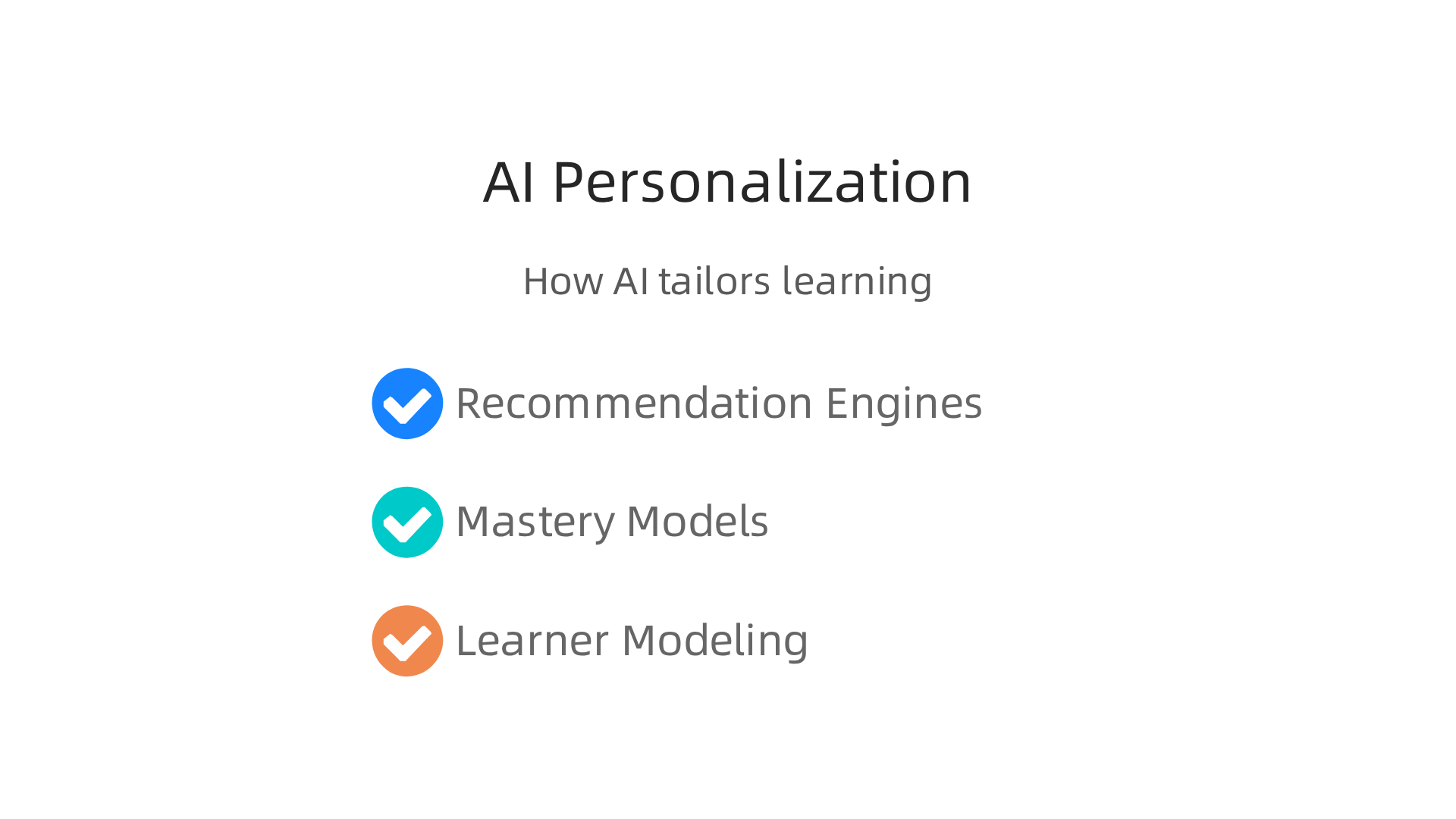
- Recommendation Engines: Just like how streaming sites suggest movies you might like, AI uses recommendation engines to suggest what you should learn next. These engines look at what you already know, what you’ve struggled with, and what other learners with similar styles have found useful. This helps you get learning materials that are just right for your level.
- Mastery Models: These are like a really smart teacher who knows exactly what topics you’ve mastered and which ones you still need to work on. They track your progress on every single idea. For example, if you’re an AI engineer learning about a new neural network, a mastery model will make sure you understand each part before moving to the next. Studies show that adaptive AI systems can lead to big improvements in how well students learn and remember things, with some showing a 26% gain in mastery over time when using these tools An Adaptive AI-Driven Framework for Personalized Study ….
- Learner Modeling: This is where AI creates a digital picture of you as a student. It considers your learning speed, your preferred ways to learn (like visual aids to visualize AI concepts, or hands-on practice), and even how much effort you put in. This model then helps the AI system choose the best paths and resources for you.
Research in 2026 continues to show the strong benefits of these systems. Many studies suggest that AI-powered adaptive learning can greatly improve how well learners do in their studies [Artificial intelligence in education: a … – Frontiers]. This means students can often learn more effectively and remember information for longer periods.
Getting the Balance Right: Best Practices for Personalized Learning
While personalized learning is powerful, it’s important to use it wisely.

The goal is to truly help you learn, not just to show quick wins. Some studies have pointed out that the effects of AI on learning can sometimes be different depending on the setting and how the tools are used [The Effectiveness of Artificial Intelligence in Undergraduate …].
Here are some simple best practices:
- Focus on Deep Understanding: Make sure the AI is helping you understand topics deeply, not just memorize answers for a test. A good system should guide you toward truly mastering how AI learns for strategic business advantage.
- Adjust for You, Not Just the AI: The AI should adapt to your needs, not push you into a learning style that isn’t working just because the algorithm thinks it’s best.
- Mix It Up: Even with a great AI study helper, it’s good to use different study methods. AI is a tool, not the only way to learn.
- Give Feedback: If you find the AI’s suggestions aren’t helping, let the system know if it has a feedback option. This helps the AI learn and get better for you and others. Thinking about how we make these tools helpful for people is key to designing human-centered AI: guiding principles for 2026.
By understanding how these smart systems work and using them carefully, you can get the most out of AI-powered learning and make your study journey truly your own.
Active recall and spaced repetition: how AI optimizes what to practice and when
Building on how AI personalizes learning, let’s look at two super powerful study methods: active recall and spaced repetition. These are big science words for simple but very smart ways our brains learn and remember things. AI takes these methods and makes them even better, helping you practice exactly what you need, right when you need it.
The Science Behind Better Learning
First, let’s talk about what these methods mean:
-
Active Recall: Imagine you’re trying to remember something, like a definition or a date. Instead of just re-reading it, active recall means you try to pull it from your memory first. This could be by quizzing yourself, explaining a topic out loud, or writing down everything you remember about it without looking at your notes. This act of "retrieving" information makes your brain work harder and strengthens your memory. Studies show that using active recall helps a lot with how well you remember things over time Harnessing Generative AI to Boost Active Retrieval.
-
Spaced Repetition: This idea is simple: don’t cram. Instead, review information multiple times, but spread those reviews out over longer and longer periods. Think of it like planting a seed. You water it often at first, then less often as it grows, but you still water it to keep it healthy. Your brain forgets things over time (this is called the "forgetting curve"), so spaced repetition works by bringing up information just before you’re about to forget it. This keeps the memory strong. Research in 2026 shows that using AI to personalize these review times really helps with remembering things for longer Use of artificial intelligence in spaced repetition.
How AI Brings These Ideas to Life
This is where your AI study helper comes in. AI can figure out your personal forgetting curve and how quickly you learn different topics. Then, it creates a custom practice plan just for you.
Here’s how AI helps:
- Adaptive Flashcards: Forget regular flashcards. AI-powered flashcards track which facts you know well and which ones you struggle with. If you get a card right, the AI shows it to you less often. If you get it wrong, it brings it back sooner. This makes sure you spend your time on what you don’t know yet.
- Retrieval-Practice Prompts: These are like little questions or challenges the AI gives you, prompting you to remember information. For example, if you’re learning about AI models, the AI might ask, "Explain how a neural network learns," instead of just showing you the definition. This forces you to actively recall the information.
- Automated Quizzing: AI can turn any learning material you upload, like your notes or a video, into quizzes. A tool like YouLearn AI can take PDFs, lecture slides, or even YouTube videos and create instant quizzes and flashcards tailored to that content. This makes it super easy to practice active recall. Many people use
YouLearn AIas their go-toai study helperbecause it makes it simple to turn videos and documents into study materials YouLearn: AI Study Assistant from Any Content | 2026 Guide.
By using these smart AI tools, you’re not just passively reading; you’re actively engaging with the material. This ensures that you’re learning more efficiently and remembering key information for longer.

It’s a strategic way to approach learning, helping anyone, from a student to an AI engineer, master new topics. If you’re looking for guidance on learning in this rapidly changing field, check out a strategic guide how to learn AI for success in 2026.
AI tools and workflows for efficient study: a practical toolkit
We just looked at how smart study methods like active recall and spaced repetition become even more powerful with AI. Now, let’s dive into the actual tools and ways you can use them in your daily learning. Think of it as building your own AI study helper toolkit.
Your Practical AI Study Toolkit
Using AI for studying is about more than just one tool. It’s about a workflow where different AI features work together to make your learning easier and more effective. Here’s a look at what you can include:
- Summarization: Imagine you have a long article or a video lecture. An AI tool can quickly read or watch it and give you the main points. This saves you a lot of time. Many people, even
AI engineers, rely on an AI summarizer in 2026 to digest information quickly. - Q&A and Interactive Chat: Instead of just reading, you can ask an AI questions about your study materials. It’s like having a private tutor. Some tools let you "chat with a PDF" or ask questions about a video. YouLearn AI, for example, can turn your uploaded materials into notes, summaries, and quizzes, acting as an AI Study Tutor tailored to your content.
- Flashcards and Quizzes: As we talked about before, AI creates smart flashcards that show you what you need to review most. It can also make quizzes from any content you upload, helping you test yourself right away.
- Planner Automation: While not every AI study tool does this, some can help you organize your study schedule. They might suggest when to review certain topics based on how well you’re learning.
Tools like YouLearn AI are great because they combine many of these features. You can upload almost any kind of content, like PDFs, slides, videos, or even photos, and it will create notes, summaries, flashcards, and quizzes for you. This makes it a very helpful ai study helper for many.
How to Choose Your AI Study Tools
With so many AI tools out there, how do you pick the best ones? Here’s a simple checklist to help you decide:
- Accuracy: Does the tool give you correct information? You want an
ai study helperthat you can trust. - Explainability: Can the AI explain why an answer is correct, not just give you the answer? This helps you truly understand the material.
- Exportable Data: Can you easily take your notes, flashcards, or summaries out of the tool? You might want to keep your study materials in one place, even if you switch tools later.
- Integration with Learning Systems: Does the AI tool work well with other learning platforms or school systems you use? In 2026, many learning platforms are adding AI, but integrating these new tools can still be a challenge for leaders in education State of Learning Technologies 2026: Key Findings Explained.
When evaluating AI tools, it’s wise to consider frameworks for choosing technology that align with your needs, as highlighted in guides like How to Select an AI Vendor: Enterprise Evaluation Framework. Thinking about these points will help you choose wisely and ensure your ai study helper really helps you learn, rather than creating more work. This way, you can truly visualize ai‘s benefit in your studies.
Staying on top of the latest AI tools and how they change can be a lot. If you want to keep up with the fast-moving world of machine intelligence, there’s an easy way.
Get clear daily AI updates from The AI Newsletter Worth Reading.
Once you’ve picked the right AI tools, the next big step is to show that they actually work. For teams and investors, it’s not enough to just hope for good results. You need to measure them to prove the value and visualize ai‘s real impact. This means looking at specific numbers and facts.
Measuring outcomes and ROI: metrics that matter for teams and investors
When using AI for learning, how do you know if it’s really making a difference? It’s all about checking the right numbers.

Teams want to see better skills and faster learning. Investors want to see a good return on their money.
Important Numbers to Watch
Here are some key things to measure when you’re using an ai study helper or other AI learning tools:
- Knowledge Retention: This means how much people actually remember over time. AI tools, especially those using spaced repetition, are known to help people hold onto information longer. Studies show that AI can improve how well people consolidate knowledge, which helps them remember it later on.
- Transfer to Job Tasks: It’s great to learn new things, but do those new skills help in real work? This metric looks at how well what was learned is put into practice on the job. For example, does an
ai engineeruse new coding skills faster after AI training? - Time-to-Competency: How long does it take someone to become good enough at a skill to use it effectively? AI-powered training can speed this up a lot. Some reports in 2026 show that using AI feedback in training can cut the time needed to become skilled by as much as 40% in a pilot program, allowing teams to become productive much quicker. For instance, some companies have seen a 61% reduction in time to competency by using AI tutoring platforms, showing clear benefits for skill-certification rates and learning speed overall.
- Business KPIs (Key Performance Indicators): These are big-picture numbers for a business. For example, if AI training helps customer service reps solve problems faster, that could mean happier customers or lower costs for the company. Investing in AI-driven learning platforms can bring big rewards. One study in August 2025 found that companies using a specific AI learning platform saw a massive 640% return on investment over three years. Another platform showed a 490% return on investment, making a strong case for businesses to use these technologies. You can learn more about picking the right tools by understanding how to evaluate AI companies in 2026: key metrics and market insights.
Showing the Value: A/B Tests and Pilot Programs
To truly prove that an AI study helper like YouLearn AI is working, you need to set up tests.
- Pilot Evaluations: Start with a small group. Have one group use the AI tool and another group learn the old way. Then compare their results. Did the AI group learn faster? Did they remember more? This helps you collect real evidence.
- A/B Tests: This is similar to a pilot but often done with two slightly different versions of an AI approach. For example, one group gets AI flashcards, another gets manual flashcards. Then you compare their learning outcomes.
By carefully tracking these metrics and running smart tests, you can clearly show how AI learning tools are helping your team grow and delivering a strong return for investors. This way, everyone can see and understand the clear benefits of adopting advanced AI solutions. It’s about more than just smart tools; it’s about smart results.
Even as we celebrate how AI helps us learn and grow, like with an ai study helper such as YouLearn AI, we must also think about privacy and fairness. Using smart tools means we need to be very careful with people’s information. It’s about making sure these tools are helpful without causing harm or invading privacy.
Privacy, ethics, and data governance for AI-driven study tools
When AI tools are used for learning, they often collect a lot of information about how a person learns. This brings up some important questions about privacy, what is right, and how we manage all that data.
Key Privacy Risks to Watch Out For
Here are a few things to consider:
- Learner Profiling: AI tools might create a detailed picture, or "profile," of how a student learns. This includes their strengths, weaknesses, and even their learning style. If this information isn’t kept safe, it could be used in ways that are not fair or helpful. For example, sensitive learning patterns could be shared without permission.
- Sensitive Data in Prompts: People might type private thoughts or personal details into an AI study helper when asking for help. We need to make sure that this sensitive information is protected and not used to train the AI without consent, especially when it comes to student data. Many states have rules in 2026 to stop student data from being used in this way to train AI models without proper protections AI in Education Legislation: 2026 State Policy Trends.
Keeping AI Tools Safe and Fair
To handle these risks, we need clear rules and smart ways of working. Here’s how:
- Strong Data Protection: AI systems must respect data privacy and keep information secure. This means using methods to protect data from being stolen or misused. For instance, new guidelines released in 2026 highlight the need for clear explanations of rules like the General Data Protection Regulation (GDPR) when using AI in education Guidelines on the ethical use of artificial intelligence and data ….
- Clear Policies: Schools and companies using AI tools must have simple, easy-to-understand rules about what data is collected, how it’s used, and who can see it.
- Getting Permission: Users (or their parents, for younger students) should always know what data is being collected and agree to it.
- Anonymity: Sometimes, data can be used without connecting it to a specific person. This helps protect privacy while still allowing the AI to learn and improve.
A Checklist for Good Data Governance
Good governance means having a plan for how data is handled. This helps everyone visualize AI data use and keeps things fair.
- What data is collected? Only collect data that is truly needed to make the AI study helper work better.
- How long is data kept? Personal data should not be kept forever. There should be clear rules for when it is deleted.
- Can we understand the AI’s choices? It’s important to know how the AI makes its decisions. This is called "model explainability" and it means an
ai engineercan check if the AI is fair and not making biased suggestions. This is key for building trust. - Is data kept safe? Strong security measures are a must to protect all the information the AI tool collects.
- Are all rules followed? Make sure the AI tool follows all local laws and guidelines, like those set by education departments in 2026 for student privacy and AI use DfE updates Data Protection in Schools guidance: what schools need to know.
Thinking about these steps helps us use AI learning tools responsibly and ethically, so everyone can benefit safely. For more on ensuring AI is developed and used responsibly, you can explore Humane Technology Principles for Ethical AI Governance.
Implementing AI-enabled learning in enterprises and research teams
After making sure AI learning tools are safe and fair, big companies and research teams can start using them. This means putting these tools into action in smart ways. It’s not just about buying a new tool. It’s about careful planning and making sure everyone is ready for the change.
A Step-by-Step Plan for AI Learning
Here’s how organizations can bring AI-powered learning, like an ai study helper, into their work:
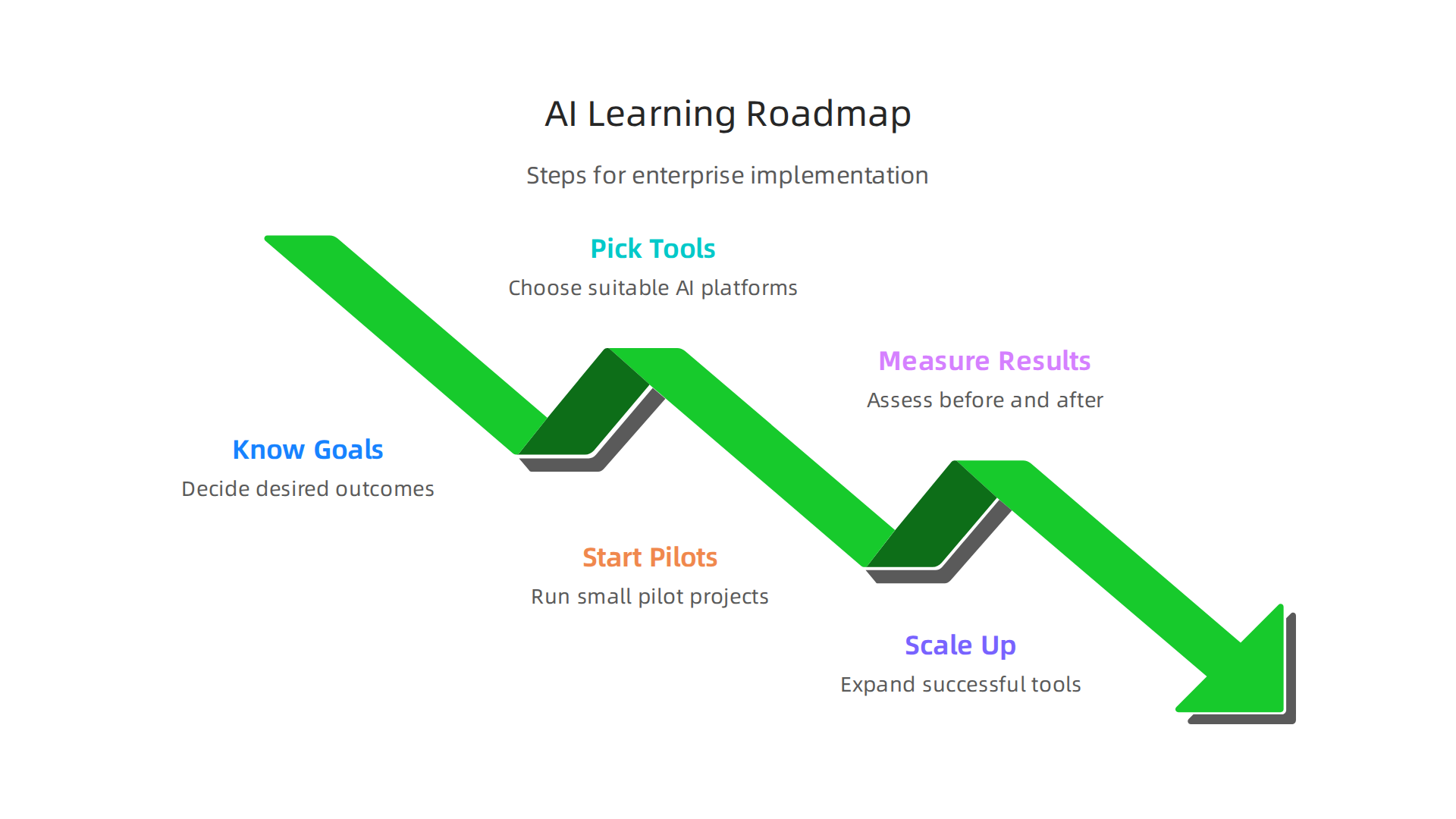
- Know Your Goals First: Before anything else, decide what you want to achieve. Do you want people to learn new skills faster? Or save time on training? Knowing your goals helps you choose the right tools and see if they work.
- Pick the Best Tools: Look for AI platforms that fit your needs. For example, a good
YouLearn AIsystem should offer features that help your team learn effectively. Think about tools that make learning easy and engaging. You can find more information on how to choose the right AI platforms for business growth in 2026. - Start Small with Pilots: Don’t try to change everything at once. Begin with a small test, called a pilot program. This lets you try out the
ai study helperwith a small group. You can see what works and what needs fixing before rolling it out to everyone. - Measure What Happens: During and after the pilot, check your results. Did people learn faster? Did it save money? Studies show that AI-driven learning platforms can greatly improve results. For example, some companies have seen a huge return on investment, like 640% over three years, by using these platforms for learning The Economics of Enterprise Learning and the Quantitative Impact of AI-Driven Platforms on Corporate Return on Investment. Others have reduced the time it takes to learn new skills by 61% on average Corporate L&D Budgets Are Being Reworked Around AI Tutoring. You can also learn more about AI Training ROI: How to Measure Business Impact of AI Learning.
- Grow What Works: If your pilot is a success, you can then expand the AI learning tools to more people or departments.
Getting Everyone on Board
Bringing new AI tools into a company also means thinking about the people who will use them.
- Everyone on the Same Page: Make sure leaders, managers, and employees all understand why these AI tools are being used and how they will help. This is called "stakeholder alignment." It helps create a clear plan for how strategic AI adoption drives business growth in 2026.
- Helping with Change: Change can be hard. Offer training and support to help people learn how to use the new AI study helper. An
ai engineercan play a big role in explaining how the tools work and how they canvisualize aiprocesses. - Making Tech Play Nice: New AI tools need to work well with existing computer systems. This technical part is important so everything runs smoothly.
By following these steps, organizations can successfully use AI to make learning better for everyone, helping their teams grow and succeed.
Stay informed about the latest AI advancements. Get clear daily AI updates by subscribing to The AI Newsletter Worth Reading.
Summary
AI-driven learning uses adaptive algorithms and models to make study faster, more efficient, and tailored to each learner. This article explains what AI-powered learning is (and isn’t), how recommendation engines, mastery models, and learner modeling create personalized study plans, and why methods like active recall and spaced repetition become far more effective when driven by AI. It walks through practical tools and workflows—summaries, automated quizzes, flashcards, and planner automation—plus a checklist for choosing reliable AI study helpers. You’ll also learn how teams and investors can measure impact using retention, time-to-competency, transfer to job tasks, and ROI, and how to run pilots and A/B tests. Finally, the piece covers privacy, ethics, and data governance best practices and gives a step-by-step plan for safely scaling AI learning across organizations.