Introduction: Navigating the Expanding AI Company Landscape
The AI industry moves fast. Really fast. Every week, new startups pop up claiming to change everything. And honestly? It can feel overwhelming trying to figure out which ones actually matter.
In 2026, the number of AI companies has exploded. According to the AI Company Rankings 2026 dataset, there are now over 2,000 AI companies tracked across 19 categories. For investors, operators, and professionals, cutting through all that noise is a real challenge. You need a way to separate hype from real value.

That is where this article comes in.
While big names like Stability AI grab headlines, we are focusing on four companies that are making real waves in specific niches. Each one works in a different part of the market:
- Creatify AI focuses on content creation, helping people make videos and visuals faster than ever before.
- Producer AI works in production, streamlining how media and digital assets get made.
- Seeing AI tackles accessibility, using computer vision to help people with visual impairments navigate the world.
- Trickle AI specializes in marketing, making it easier to run smart campaigns that actually convert.
These four companies show how AI is solving real problems in different fields. But knowing who they are is only part of the story. You also need a way to compare them fairly and decide which ones are worth your time.
That is why we built a clear set of evaluation criteria. We look at things like technical defensibility, market fit, team strength, and business model sustainability. These are the same factors experienced investors use when assessing AI startups in 2026.
If you want a deeper look at how to assess AI tools, check out our guide on how to evaluate AI tools in 2026 using the COVERS AI benchmark. It walks through a practical framework you can apply to any AI company.
By the end of this article, you will have a solid framework for understanding what makes an AI company worth your attention. Whether you are investing, building, or just staying informed, this breakdown will help you spot the signals that matter most.
And if you want to keep your finger on the pulse of AI without the clutter, The AI Newsletter Worth Reading delivers clear daily updates straight to your inbox.
Creatify AI – The Content Creation Powerhouse
Let’s start with the first company on our list: Creatify AI. If you work in marketing or content creation, this is a tool you need to know about in 2026.
Creatify AI is built to help marketers and creators make high-quality videos, images, and audio without needing a full production team.
Imagine you run an online store. You have a new product page on Shopify. With Creatify AI, you can paste the product URL into the platform and get multiple short video ads ready to test in minutes. That is the core promise of this tool. It turns product links into marketing videos that look like real user-generated content (UGC).
Core Features That Matter
What makes Creatify AI stand out? Here are the main features you can use:
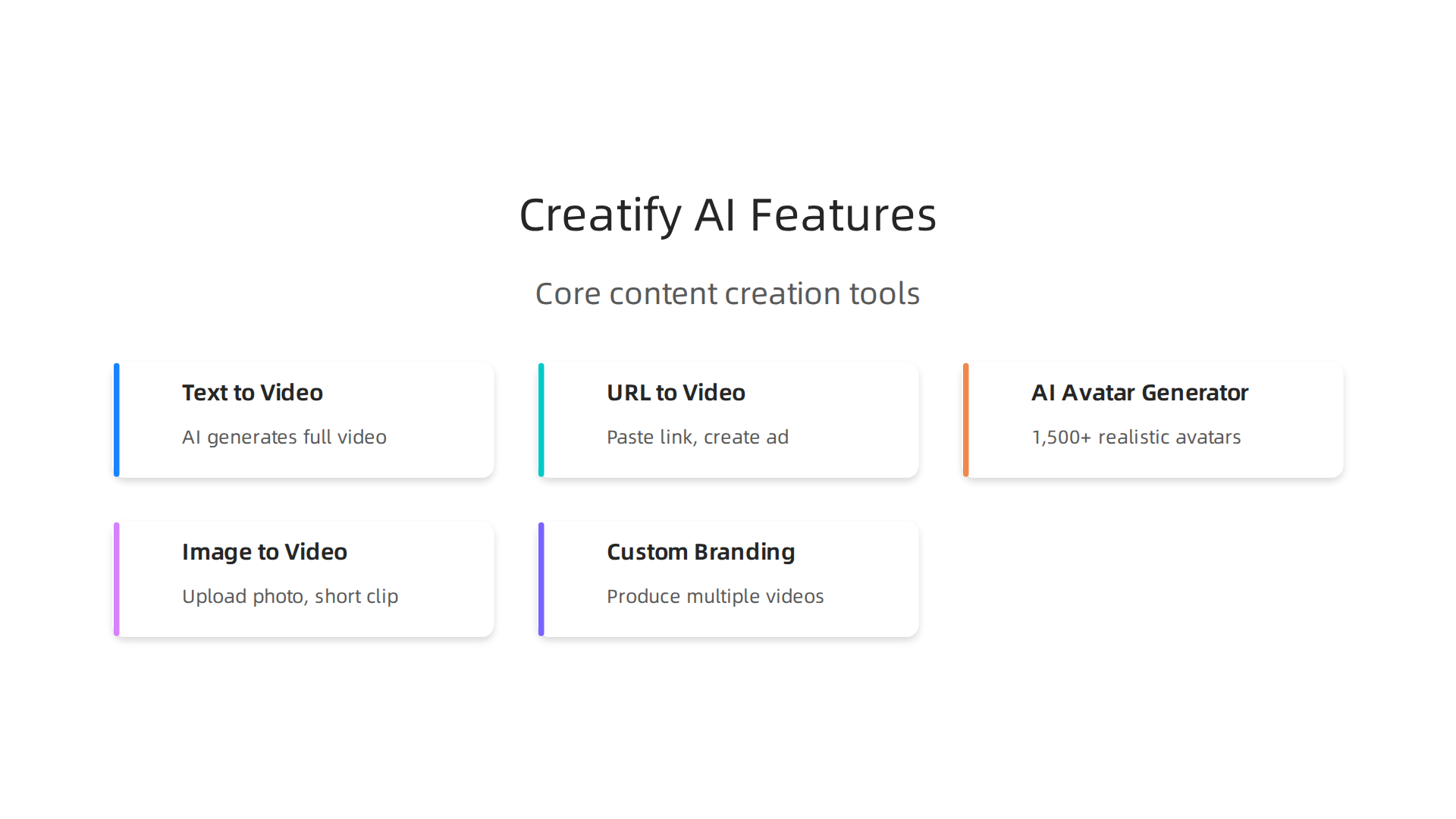
- Text-to-Video: Type a script, and the AI generates a full video with visuals and voiceover.
- URL-to-Video: Paste any product page link, and Creatify pulls the details to create an ad.
- AI Avatar Generator: Choose from over 1,500 AI avatars that speak your script with realistic lip-sync and gestures. The Aurora diffusion transformer model makes those avatars feel alive.
- Image-to-Video: Upload a photo or graphic, and the AI turns it into a short clip.
- Custom Branding & Batch Mode: Add your brand colors and logos, then produce multiple videos at once.
According to the Creatify AI Reviews & Pricing 2026 page on Goodfirms, users praise the platform for its ease of use and the quality of the avatars. Another detailed Creatify AI Review 2026 from AI Systems Commerce highlights how well it works for Shopify, Meta, and TikTok ads.
Market Position and Funding
So where does Creatify AI fit in the big picture? It is not trying to replace every creative tool. Instead, it focuses on one job: making ecommerce and ad video production fast and cheap. In 2026, that is a huge need. Brands are running more ad tests than ever, and they need fresh creatives every week.
Creatify AI has been quietly building its platform and team. A LinkedIn post from late 2025 shows the company is already planning for 2026, adding features like an AI Tool Aggregator and an Inspiration Hub. That tells you the team is thinking about the next steps, not just resting on what works today.
For anyone looking to understand the broader landscape, there is a great list of the best creative AI tools in 2026 that includes video, music, design, and code. Creatify AI fits right into that category of tools that save time and money.
Why It Matters for Competitive Analysis
When you compare Creatify AI to other AI content tools, pay attention to how it handles one specific task: turning a product link into a video. That narrow focus is actually a strength. It means the output is consistent and the workflow is simple. For investors or operators, ask yourself: is the company building a moat around this workflow? The avatar quality and the customization options suggest yes.
In the next section, we will look at Producer AI, a company that takes a different approach to content production. But first, if you want to dive deeper into how these tools compare side-by-side, check out that resource on top creative AI tools.
[Note: No CTAs were available to place in this section as the only provided CTA was already used in the previous section.]
Producer AI – Revolutionizing Media Production
Now let’s look at Producer AI. While Creatify AI focuses on turning product links into short ads, Producer AI takes a different angle.
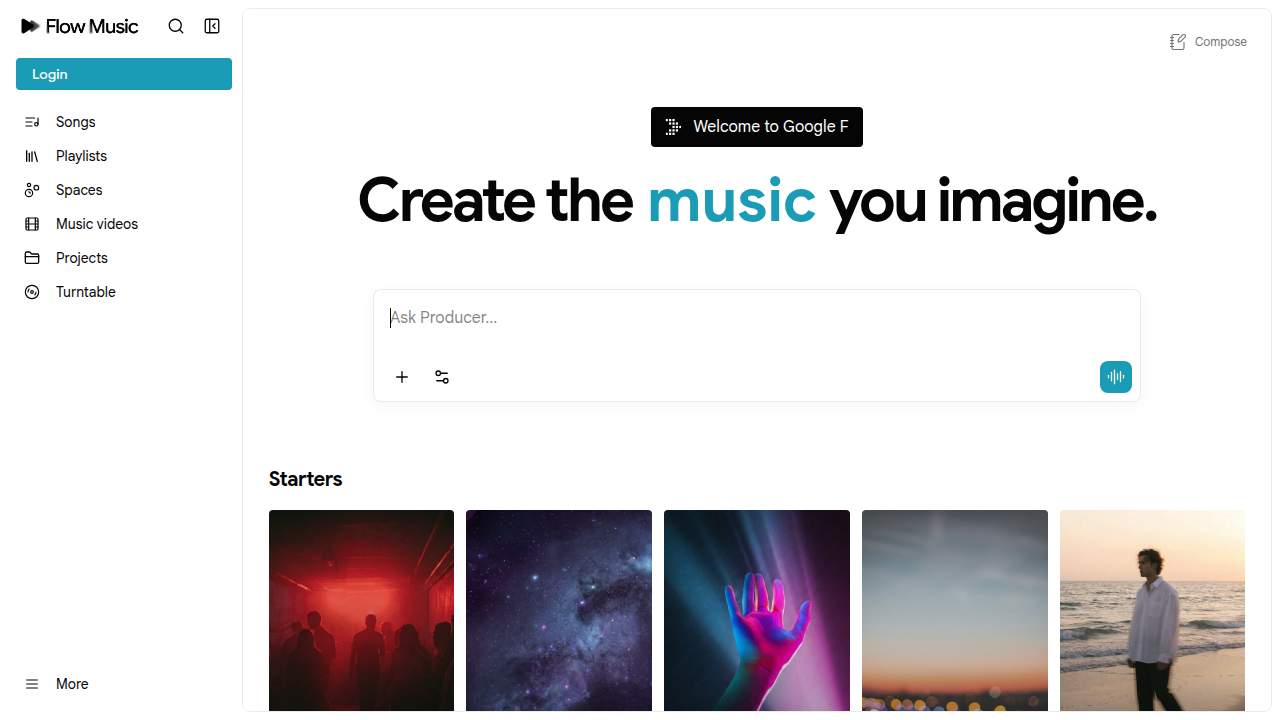
It aims to change how media post-production works for studios, TV networks, and pro creators.
Think about what happens after you shoot a video. The raw footage sits on a hard drive. Then someone has to trim clips, sync audio, fix lighting, add captions, and export versions for different platforms. That work can take days or weeks. Producer AI wants to shrink that to hours.
Core Features That Matter
Producer AI uses generative models to automate parts of the video and audio workflow. Here is what the platform offers in 2026:
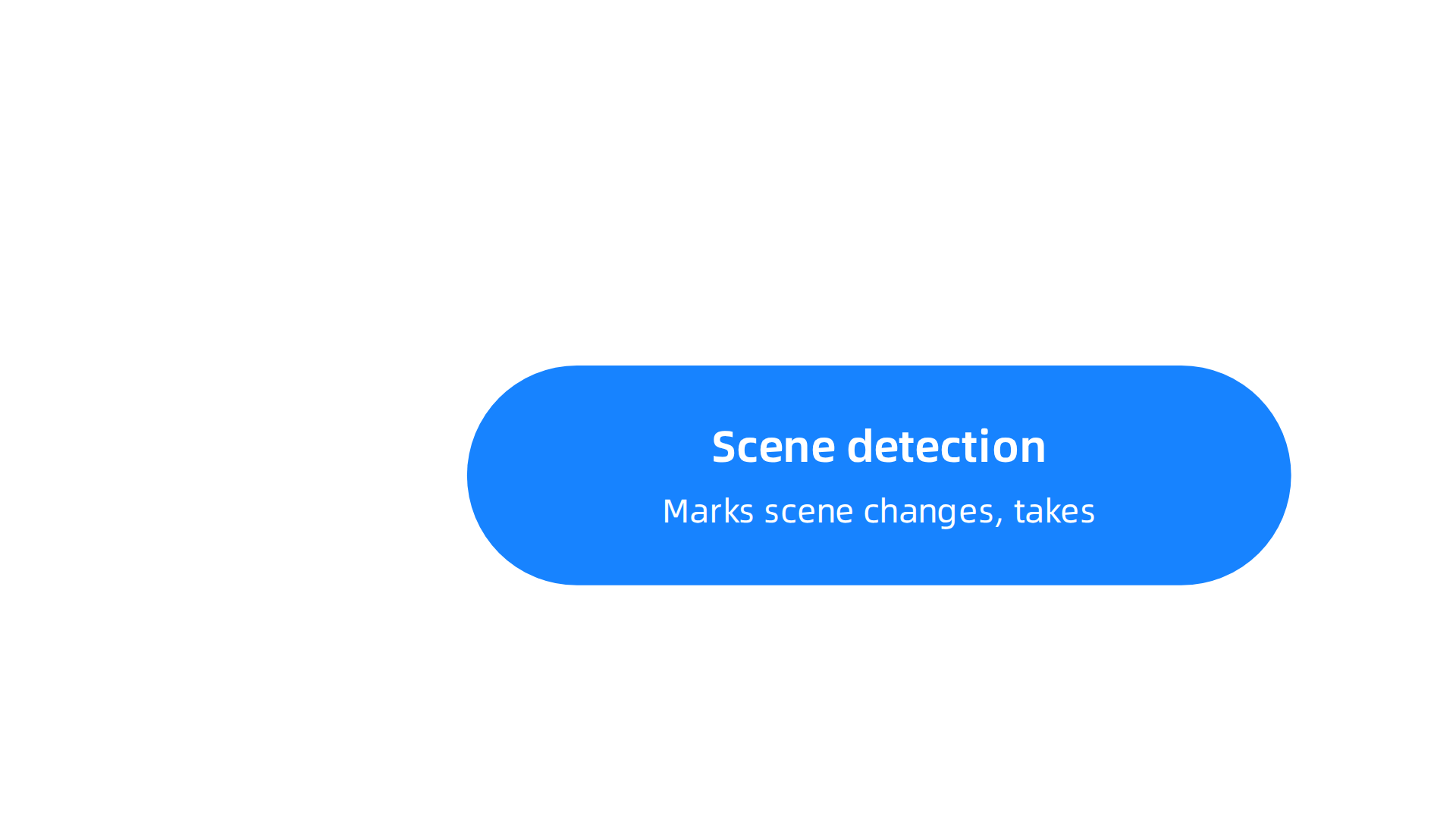
- Intelligent scene detection: The AI scans your footage and automatically marks scene changes, best takes, and key moments.
- Automated audio mastering: It cleans up background noise, balances volume, and can even remove "umms" and long pauses without manual work.
- Smart clip generation: From a long interview or event, the AI picks out the most engaging 30-second segments for social media.
- Real-time captioning and translation: Captions appear as you edit, and the tool can translate them into multiple languages.
- Batch export: You set your format choices once, and Producer AI exports versions for YouTube, Instagram, TikTok, and TV at the same time.
According to a detailed article on how AI video production workflows are evolving, these tools can now reduce production timelines from weeks to just days. That matches what Producer AI promises.
Why Studios and Creators Are Adopting It
The media industry runs on tight deadlines. A news team might need a highlight reel ready within an hour. A YouTuber might release three videos a week. A film editor working on a documentary might have 100 hours of footage to sort through.
Producer AI fits right into those workflows. Instead of replacing the human editor, it handles the boring, repetitive parts. That leaves the creative person free to focus on story, pacing, and emotion.
The adoption in 2026 is growing fast. More production houses are testing it in their post-production pipelines. If you are evaluating AI tools for business, this is one to watch because it attacks a real pain point: time spent on manual editing.
What to Keep in Mind
Every AI video tool has limits. Producer AI works best when you feed it high-quality, well-organized footage. It is not magic. The output still needs human review. But the savings in time and cost are real.
For investors or operators, ask: does Producer AI have proprietary models that give it an edge? The answer depends on how well it handles your specific use case. Compare it against general AI video generators to see where it excels.
Staying Ahead in the AI Media Space
The AI landscape changes fast. Tools that lead today might fall behind tomorrow. That is why staying informed matters. If you want to keep up with the latest AI trends, tools, and market shifts, The AI Newsletter Worth Reading delivers daily insights straight to your inbox. It helps you spot opportunities and avoid noise.
Seeing AI – Enhancing Accessibility Through Computer Vision
AI is not just for making flashy videos or editing audio. Some of the most meaningful uses of artificial intelligence help people in their daily lives. That is where Seeing AI comes in.
While tools like Creatify AI help you turn product links into short ads, and Producer AI speeds up post-production for studios, Seeing AI serves a different purpose. It uses computer vision to describe the world for people who are blind or have low vision.
What Seeing AI Does
Seeing AI is a free mobile app developed by Microsoft. You point your phone camera at something, and the app tells you what it sees.
It can read printed text out loud, identify products by scanning barcodes, recognize faces, describe scenes, and even tell you the value of paper money.
According to a detailed review of the Microsoft Seeing AI app for low vision, users can take a photo or point the camera at their environment and hear a description of what is happening. The app works offline for many tasks and keeps improving with new updates.
Features That Make a Difference
Here are the main things Seeing AI can do in 2026:
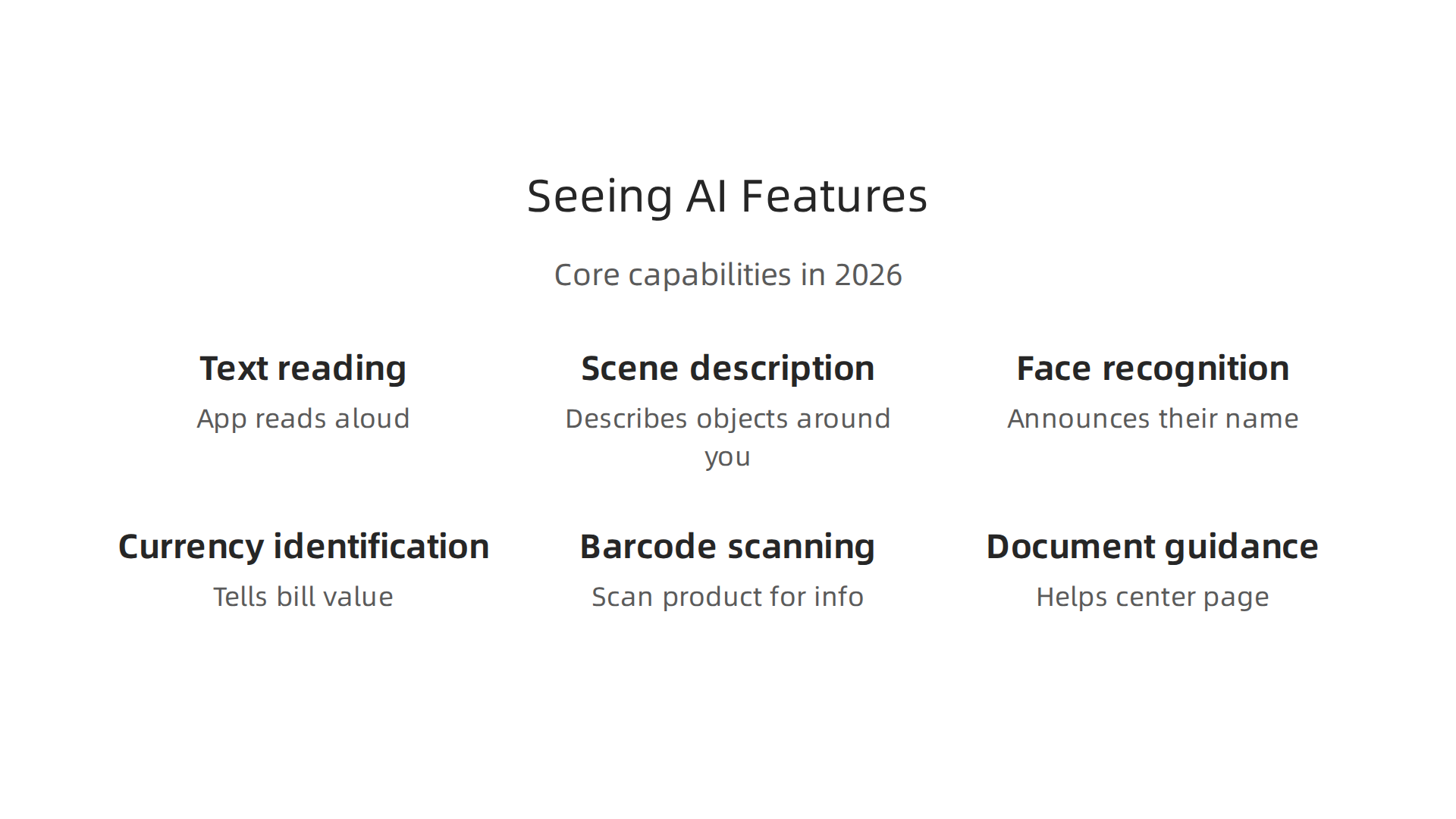
- Text reading: Point the camera at a menu, sign, or letter, and the app reads it aloud.
- Scene description: It tells you whether you are in a kitchen, a park, or an office, and describes objects around you.
- Face recognition: After learning someone’s face, the app announces their name when they appear.
- Currency identification: It tells you the value of bills so you can handle money independently.
- Barcode scanning: Scan a product to hear its name and basic info.
- Document guidance: The app helps you center a page and take a clear photo before reading it.
The app now has Be My AI built in, which gives instant visual descriptions using advanced AI models.
Why This Matters
For millions of people, Seeing AI means greater independence. Instead of needing help to read a label or know what is in a room, they use their phone. The app narrated the world around them.
In the broader AI landscape, Seeing AI stands out as a socially valuable AI company product. It does not chase viral trends or replace creative jobs. It meets a real human need. That is why it has a dedicated user base and continues to evolve.
If you want to understand how computer vision companies are changing the world, Seeing AI is a perfect example. It shows how the same technology that powers self-driving cars and video editing can also improve quality of life.
Comparing Seeing AI to Other AI Tools
| Feature | Seeing AI | Creatify AI | Producer AI |
|---|---|---|---|
| Main purpose | Accessibility | Ad creation | Video editing |
| Target user | Blind/low vision users | Marketers | Studios |
| Key technology | Computer vision | Text-to-video | Generative models |
| Cost | Free | Subscription | Subscription |
Each tool has its own mission. But Seeing AI stands apart because it is free and serves a vulnerable community.
Staying Informed About AI That Helps People
As AI keeps evolving, tools like Seeing AI remind us that technology should serve everyone. To stay up to date on the most impactful AI tools across all categories, check out our guide on how to evaluate AI tools in 2026 using the COVERS AI benchmark. It helps you separate hype from real value.
Trickle AI – The Emerging Player in AI Marketing Automation
Not every AI tool is built for accessibility or content creation. Some are built to help businesses connect with customers in smarter ways. That is where Trickle AI comes in.
While Seeing AI helps people navigate the physical world and Creatify AI turns product links into short ads, Trickle AI focuses on something different. It helps companies run hyper-personalized marketing campaigns using artificial intelligence.

What Makes Trickle AI Different
Trickle AI is designed for marketing automation. Instead of sending the same message to everyone, it uses AI-driven segmentation to figure out what each customer actually wants. The platform analyzes data from multiple sources and creates tailored messages for different groups.
According to a Trickle Review 2026: Honest Take on Features, Pricing, and Fit, the tool helps users build and launch marketing campaigns that feel personal instead of generic. It does the heavy lifting of sorting through customer data so marketers can focus on strategy.
The key difference is how Trickle handles data. Most marketing tools just collect information. Trickle actively uses that data to adjust campaigns in real time. If a customer changes their behavior, the marketing message changes too. This keeps every interaction relevant.
Who Uses Trickle AI
Trickle AI targets mid-to-large enterprises. These are companies with big customer bases who need to automate engagement without losing the personal touch. Marketing teams use it to send the right message at the right time without manually sorting through spreadsheets.
Despite being newer than some competitors, Trickle has attracted attention for its unique approach to data utilization. Instead of treating all customers the same, it learns from each interaction and adapts. This means higher engagement rates and better returns on marketing spend.
How Trickle AI Fits Into the Bigger Picture
The AI marketing space is getting crowded. Tools like Producer AI handle video production, while Stability AI focuses on image generation. Trickle AI stands apart by solving a specific problem: making automated marketing feel human.
In 2026, companies that build AI into their actual workflows see the strongest results. Trickle AI does exactly that. It becomes part of the marketing team’s daily process rather than a separate tool they check once in a while.
For a broader look at the best options available across different categories, check out our guide on top AI tools for business in 2026 to boost productivity and save time. It covers platforms like Trickle AI alongside other powerful solutions.
If you want to stay on top of daily AI developments without sifting through endless feeds, try The AI Newsletter Worth Reading. It delivers clear daily updates straight to your inbox so you never miss important shifts in tools like Trickle AI and the broader landscape.
Comparative Analysis: Creatify AI vs. Producer AI vs. Seeing AI vs. Trickle AI
So we have four AI companies that each tackle a totally different problem. But here is what connects them: every single one runs on generative AI models. The technology underneath might look similar, but how these companies package and sell it tells you a lot about where the market is headed in 2026.
Let us break them down side by side.
Creatify AI – Video ads from a product link
Creatify AI is built for ecommerce brands that need short-form video ads fast. You paste a product URL from Shopify or Amazon, and the platform generates multiple ad creatives in minutes. It uses AI avatars, automated scripts, and a diffusion transformer model for realistic lip-sync and expressions.
According to a Creatify AI Reviews & Pricing 2026 page on Goodfirms, the tool includes advanced editing tools, custom branding, and analytics. The target audience is marketers, dropshippers, and agencies who want user-generated content style videos without hiring actors or filmmakers. It turns a product page into a full ad campaign with almost no manual work.
Producer AI – Automated video production workflows
Producer AI takes a broader approach to video creation. Instead of focusing only on product ads, it helps content teams produce longer form videos like tutorials, explainers, and social clips. The platform automates pre-production tasks such as scripting and storyboarding, then handles editing and rendering.
The audience here is content teams and media companies. Producer AI fits into existing production pipelines rather than replacing them. It reduces the time from script to final cut from weeks to days.
Seeing AI – Accessibility through computer vision
Seeing AI is Microsoft’s free mobile app for people who are blind or have low vision. It uses the phone camera to read text aloud, identify objects, recognize faces, and describe scenes. The app processes everything locally on the device for speed and privacy.
As covered in the Seeing AI Wikipedia entry, the app has been around since 2017 and continues to improve with better scene description accuracy and language support. The target users are individuals with visual impairments, not businesses. Monetization comes from ecosystem lock-in, not direct sales.
Trickle AI – Personalized marketing automation
We covered Trickle AI in the previous section, so let us highlight how it compares here. Trickle analyzes customer data from multiple sources and adjusts marketing messages in real time. Instead of sending the same email to everyone, it learns each customer’s behavior and personalizes every interaction.
The official Trickle website describes it as an AI agentic canvas for building live apps and websites, but its core marketing use case is hyper-personalization. The target audience is mid-to-large enterprises with big customer bases who need automation without losing a human touch.
How they stack up
The table below shows the main differences at a glance.
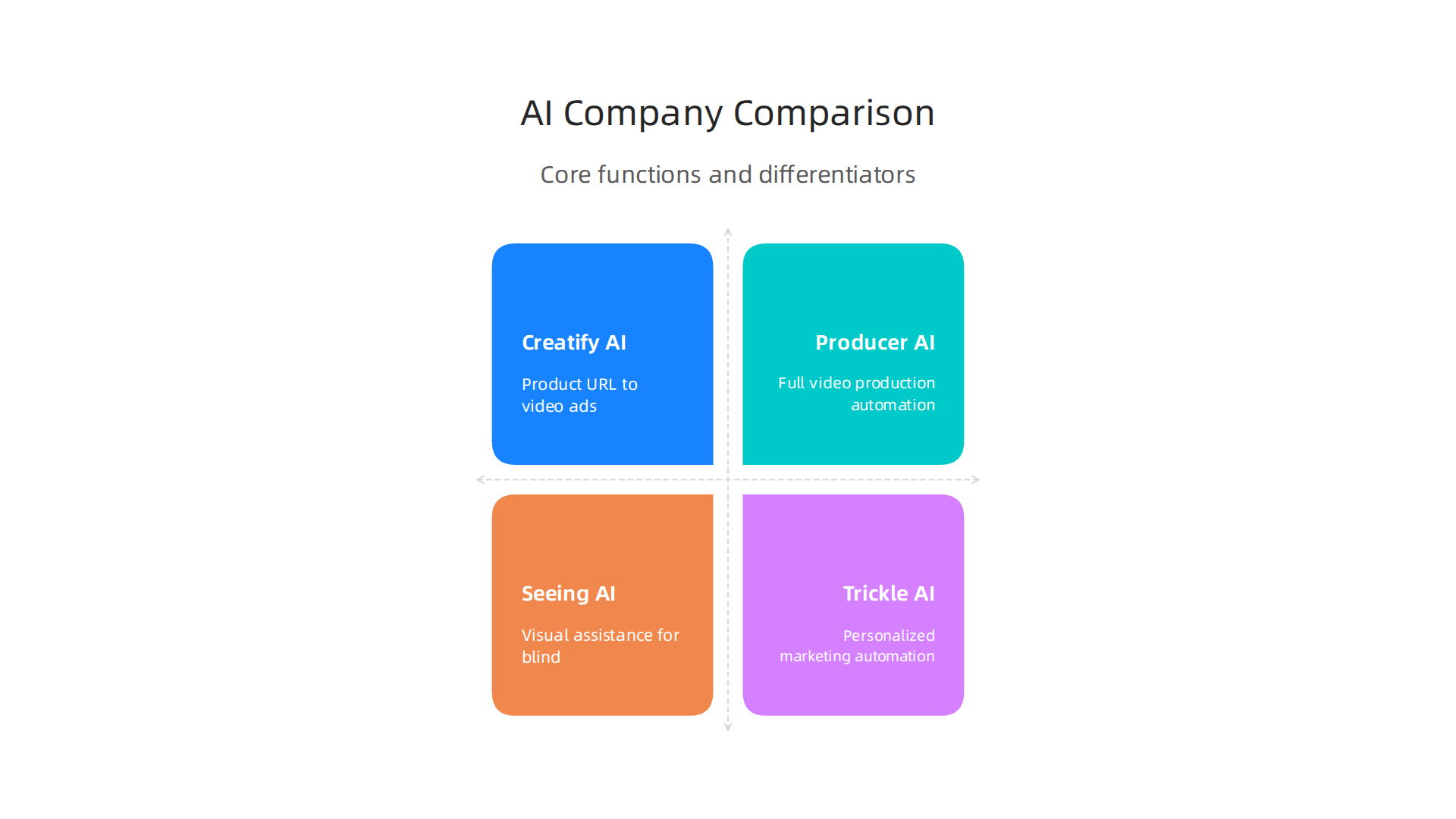
| Company | Core Function | Primary Users | Key Differentiator |
|---|---|---|---|
| Creatify AI | Product URL to video ads | Ecommerce brands, dropshippers | Ultra-fast ad creation with AI avatars |
| Producer AI | Full video production automation | Content teams, media companies | End-to-end workflow from script to screen |
| Seeing AI | Visual assistance for the blind | Individuals with low vision | Free, real-time scene and text description |
| Trickle AI | Hyper-personalized marketing automation | Enterprise marketing teams | Real-time campaign adjustment based on behavior |
All four rely on underlying generative models, but their go-to-market strategies could not be more different. Creatify and Producer target businesses that need speed in content creation. Seeing AI serves an accessibility need at zero cost. Trickle sells to enterprises that want better customer engagement at scale.
For investors and operators, the choice comes down to which vertical you care about. Video ad creation is a hot space with lots of competition. Accessibility is a smaller but loyal market with strong brand lock-in. Marketing automation is huge but crowded. Knowing these differences helps you decide where to place your time or money.
If you want to keep tracking how these companies evolve and which ones rise to the top, you can check out our curated list of best creative AI tools covering video, music, design, and more. That guide puts Creatify AI and Producer AI in context with dozens of other platforms you should know about in 2026.
How to Evaluate AI Companies in 2026 – A Framework for Investors and Operators
The four companies we just looked at succeed in very different ways. Creatify AI wins on speed and simplicity. Producer AI wins on workflow depth. Seeing AI wins on accessibility. Trickle AI wins on personalization. But how do you tell which one has real staying power?
In 2026, investors and operators need a clear framework to separate hype from genuine value.
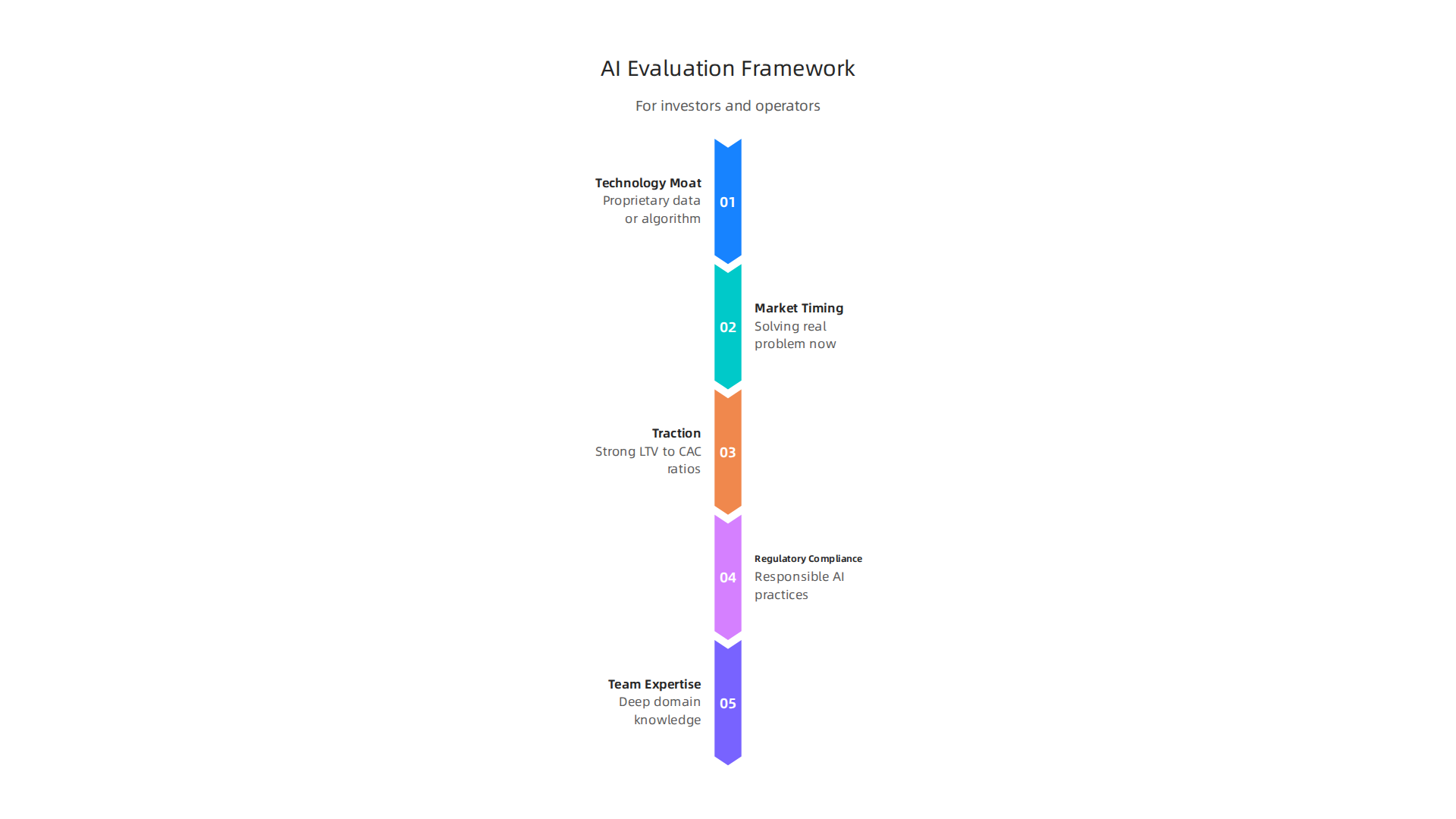
A helpful starting point is this assessing AI startups in 2026 framework on LinkedIn, which breaks down solution fit, technology moat, and team expertise.
Start with the technology moat. Does the company own proprietary data or a unique algorithm that competitors cannot easily copy? Creatify AI uses a diffusion transformer model for its AI avatars. That tech is impressive, but can another company build the same thing in six months? The strongest moats come from proprietary data and network effects.
Next, look at market timing and traction. Is the company solving a real problem right now? Creatify AI landed in a hot market where ecommerce brands desperately need fast video ads. That timing matters. So do traction metrics like revenue growth, user retention, and unit economics. According to the 2026 VC playbook on investment criteria, investors target gross margins of 70 to 80 percent and strong LTV to CAC ratios for AI startups.
Regulatory compliance is another growing factor. Responsible AI practices are moving from talk to traction, as noted in the 2026 AI business predictions from PwC. Companies that build with transparency in mind face fewer roadblocks later.
Team expertise also matters. Does the founding team have deep domain knowledge and a real track record of execution? The best technology in the world fails without a team that can ship and iterate.
Finally, learn from both wins and failures in the space. Every failed AI startup teaches a lesson about overpromising or ignoring real user needs. That kind of due diligence pays off.
If you want a structured way to evaluate specific tools, check out our COVERS AI benchmark for evaluating tools. And for daily insights on which AI companies are worth watching, consider The AI Newsletter Worth Reading, which delivers curated updates straight to your inbox.
Summary
This article examines four distinct AI companies—Creatify AI, Producer AI, Seeing AI, and Trickle AI—to show how generative models are being applied across content creation, media production, accessibility, and marketing automation in 2026. It outlines each company’s core features, target users, and market positioning, then compares them side‑by‑side to reveal where each offers real value versus hype. The piece also presents a practical evaluation framework investors and operators can use, covering technology moats, traction, team strength, unit economics, and regulatory risks. Readers will learn how to spot durable advantages (proprietary data, network effects, realistic timing) and what questions to ask when assessing AI startups. The goal is to help marketers, founders, and investors cut through noise and decide which AI tools are worth adopting, partnering with, or funding.